交通碳达峰

Search documents
换电重卡破局交通碳达峰 技术与模式待攻坚
Zhong Guo Qi Che Bao Wang· 2026-02-26 07:25
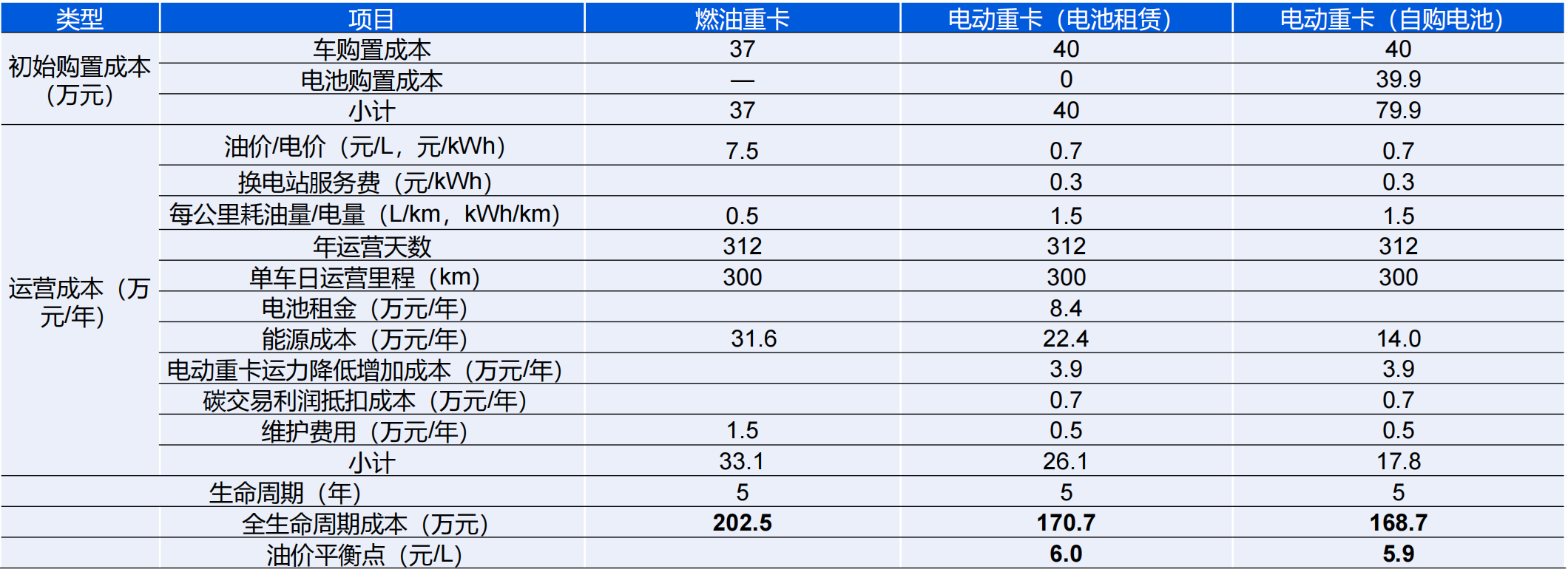
Group 1 - NIO has achieved quarterly profitability, validating the commercial viability of the battery swapping model in the passenger vehicle sector, which raises questions about its replication in the heavy-duty truck segment as a key exploration direction for carbon peak progress in transportation [1] - Heavy-duty trucks, despite their low ownership rate, are a major source of vehicle pollution, making the large-scale promotion of battery-swapped heavy trucks a crucial strategy for addressing carbon peak challenges in the transportation sector [2][3] Group 2 - Heavy-duty fuel (gas) vehicles account for only 2% of the total vehicle ownership but contribute 75% of the annual NOₓ emissions, highlighting their significant role in air pollution [3] - The market for battery-swapped heavy trucks is expected to grow significantly, with sales projected to reach 29,000 units in 2024, a year-on-year increase of 95.4%, representing 37.7% of total new energy heavy truck sales [3] Group 3 - The economic advantages of battery-swapped heavy trucks are driving market expansion, with their market share increasing from approximately 5.2% in 2019 to 49.5% in 2022, and expected to exceed 80% by 2030 [4] - Battery-swapped heavy trucks reduce initial purchase costs by about 40% through a "vehicle-battery separation" model, making them competitive with traditional diesel trucks [5] Group 4 - The lack of unified technical standards is a major barrier to the industry, as differences in battery size, interface specifications, and voltage parameters hinder cross-brand compatibility and widespread adoption of battery-swapped heavy trucks [8] - Infrastructure development is lagging, with a significant shortage of battery swap stations, particularly in long-haul transport scenarios, leading to a mismatch between supply and market demand [8][9] Group 5 - The profitability of battery swap station operations is challenged by high initial investments and long payback periods, compounded by unstable transport capacity and a lack of long-term cooperation mechanisms between service providers and carriers [9] - The gradual reduction of policy incentives for the new energy vehicle industry poses additional pressures on the development of battery-swapped heavy trucks, which have not yet established a mature commercial model [9]