京津协同发展

Search documents
高质量谱写京津“双城记”
Xin Lang Cai Jing· 2026-02-12 21:36
Core Viewpoint - The collaborative development between Beijing and Tianjin is gaining momentum, with a projected daily cross-city travel volume of 225,000 by 2025, enhancing the integration of work, study, and daily life between the two cities [1][2]. Group 1: Transportation and Infrastructure - The planning includes the integration of the entire Beijing-Tianjin region into a functional zone, with Tianjin's Wuqing District included in the commuting area, facilitating closer personnel exchanges and economic integration [1]. - There are currently four high-speed rail lines and six expressways connecting Beijing and Tianjin, with plans to enhance the intercity transportation network, improve rail capacity, and upgrade key stations [1]. - The implementation of a unified transportation card system across all subways and buses is aimed at increasing the convenience of travel between the two cities [1]. Group 2: Technological and Industrial Collaboration - The planning emphasizes strengthening technological innovation collaboration and industrial integration, with nine national key laboratories and five national advanced manufacturing clusters already established [2]. - Tianjin is set to leverage Beijing's technological innovation and its own advanced manufacturing capabilities to enhance joint efforts in fields such as biomanufacturing, intelligent equipment, and integrated circuits [2]. - The focus is on improving the efficiency and proportion of technology transfer through collaborative mechanisms along the Beijing-Tianjin corridor [2]. Group 3: Public Services and Environmental Cooperation - The Beijing-Tianjin-Hebei region has introduced 230 standardized government services and 209 mutual recognition qualifications, with all 23 government service nodes in Tianjin connected to Beijing's cross-province service network [2]. - Plans are in place to accelerate the construction of an international consumption center in Tianjin, promote the development of historical cultural cities, and enhance ecological cooperation [2]. - The initiative includes expanding the application scenarios of social security "one card" services to improve public welfare [2].
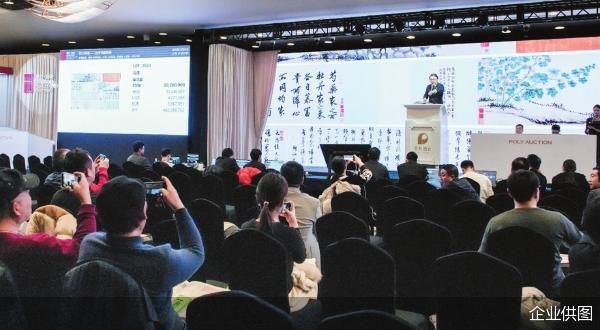
京津携手打造2025金秋文物艺术品拍卖季
Bei Jing Shang Bao· 2025-12-25 13:50
Core Viewpoint - The "2025 Autumn Cultural Relics and Art Auction Season" aims to enhance the cultural and artistic heritage of the Beijing-Tianjin-Hebei region while promoting consumption in the art market [3][5]. Group 1: Event Overview - The auction season will take place from November to December 2025 and is a significant part of the 2025 Beijing International Cultural Relics Expo [1]. - The event seeks to create an art feast for collectors and investors by promoting collection culture and expanding communication channels [3]. Group 2: Online and Offline Integration - The auction will utilize various platforms, including the official websites and WeChat accounts of the auction associations, to disseminate information about previews, auction dynamics, and industry news [3]. - An online auction page will be established in collaboration with Yipai Global to facilitate a seamless online-offline experience [3]. Group 3: Government Support and Innovation - The Beijing Cultural Relics Bureau has opened a "green application channel" for companies participating in the auction season to streamline the approval process [3]. - The event encourages the use of innovative auction formats such as online and live auctions to enhance participation and service experience [3]. Group 4: Expert Insights - The president of the Beijing Auction Association emphasized that the auction season represents a significant practice of collaborative development in the cultural sector, aiming to inject new momentum into regional cultural prosperity and economic development [5]. - The president of the Tianjin Auction Industry Association highlighted the importance of a fair and transparent business environment to attract collectors and ensure the success of the auction season [7].