人工智能责任划分

Search documents
AI“犯错” 谁来负责?
Yang Shi Xin Wen· 2026-01-31 19:46
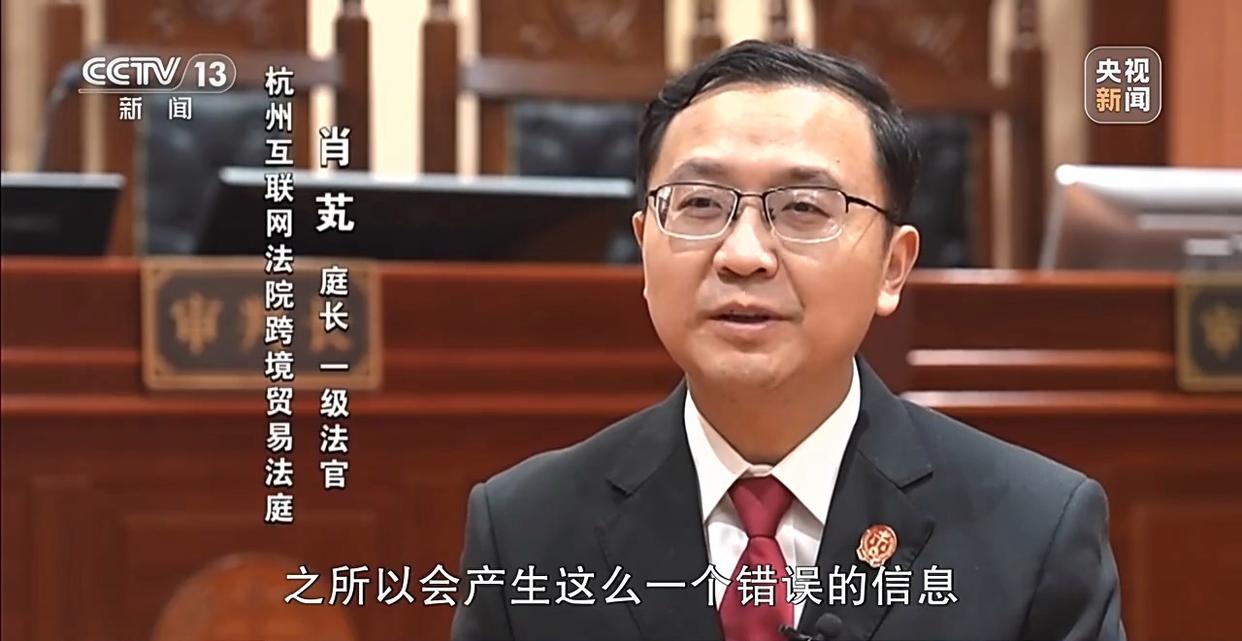
Group 1 - AI is increasingly integrated into various aspects of life and work, but it can make errors, leading to questions about accountability, especially in critical fields like healthcare and finance [1][11] - The case of Liang, who was misled by AI regarding a non-existent school, marks the first legal instance addressing AI's "hallucination" issue, raising questions about who is responsible for AI-generated misinformation [1][3] - The court determined that AI's compensation promise does not equate to the service provider's liability, categorizing AI-generated information as a service rather than a product, thus applying fault liability principles [5][7] Group 2 - In the medical field, the integration of AI raises concerns about misdiagnosis and the responsibility for errors, with experts emphasizing that AI should assist rather than replace human judgment [11][19] - The current legal framework does not clearly define AI's role in medical decision-making, leading to calls for regulations that clarify the responsibilities of doctors and AI developers [21][22] - The introduction of AI in healthcare is seen as a tool to enhance efficiency, but there are fears that over-reliance on AI could diminish the diagnostic skills of future medical professionals [15][17] Group 3 - In the automotive sector, the transition from L2 to L3 autonomous driving systems necessitates a reevaluation of liability, with current regulations still placing primary responsibility on human drivers [23][24] - As L3 systems are tested, the responsibility for accidents may shift to manufacturers under certain conditions, but drivers must remain vigilant and ready to take control [26][29] - The complexity of liability in L3 autonomous driving scenarios highlights the need for clear legal definitions and frameworks to address potential accidents involving AI systems [30][32]