人工繁育

Search documents
历经四季考验,40株人工繁育疏花水柏枝野外存活,四川种活了长江边的濒危植物
Xin Lang Cai Jing· 2026-01-15 12:12
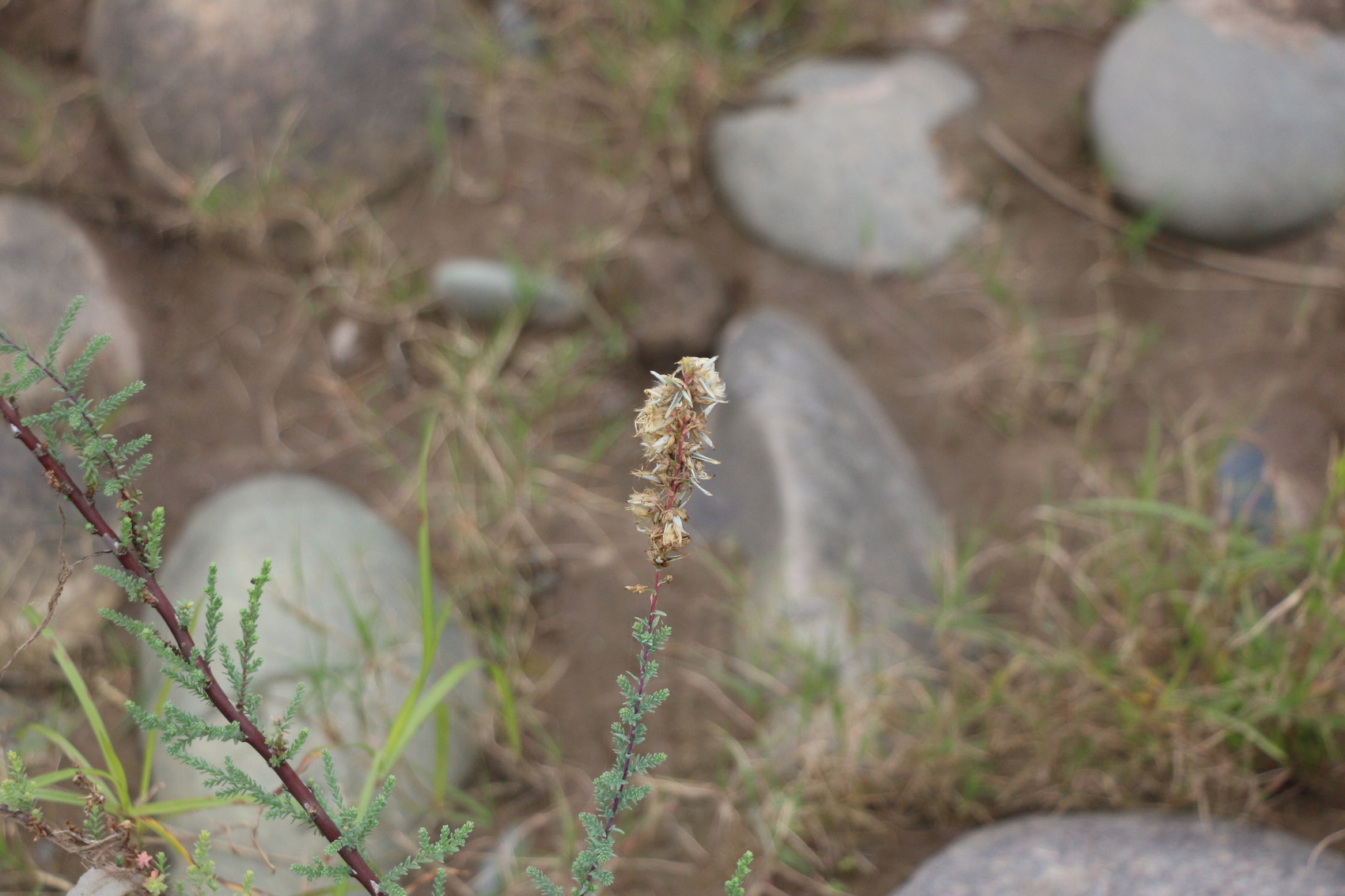
Core Viewpoint - The successful survival of 40 out of 59 transplanted Salix suchowensis (疏花水柏枝) in Yibin, Sichuan, marks a significant achievement in artificial breeding and conservation efforts for this rare species endemic to the Yangtze River basin [1][9]. Group 1: Species Information - Salix suchowensis is a perennial shrub belonging to the Salicaceae family, found only in the Yangtze River basin regions of Sichuan, Chongqing, and Hubei [3]. - The species has a very limited habitat, growing only on seasonally submerged gravel banks, which has led to its extremely rare wild populations [3]. - It was once considered "extinct" but has been rediscovered in the wild since 2014, making it an ecological treasure [3]. Group 2: Conservation Efforts - Since 2022, a systematic survey of Salix suchowensis resources in Yibin has identified 18 wild populations, totaling approximately 30,000 individuals [6]. - The species faces threats from drought and flooding, leading to unstable population numbers and ongoing extinction risks [6]. - Artificial breeding has been identified as crucial for the species' survival, with initial attempts at cutting propagation proving unsuccessful due to high summer temperatures [6]. Group 3: Breeding Techniques - The research team shifted to seed propagation, which has shown better results, with seedlings exhibiting more robust root systems and greater heat tolerance compared to cuttings [6]. - A mature seedling breeding technique was developed, enhancing the growth of seedlings under increased light conditions [6]. Group 4: Field Reintroduction - The first field reintroduction experiment took place in December 2023, in a location with minimal human disturbance, closely resembling the species' natural habitat [9]. - Protective measures were implemented to safeguard the transplanted seedlings from flood impacts, including deep digging, sand backfilling, and surrounding stone placement [9]. - Monthly monitoring revealed that 40 plants survived and thrived, with some even flowering and fruiting, indicating successful adaptation to the wild environment [9].

海底“种”砗磲
Xin Lang Cai Jing· 2026-01-02 17:26
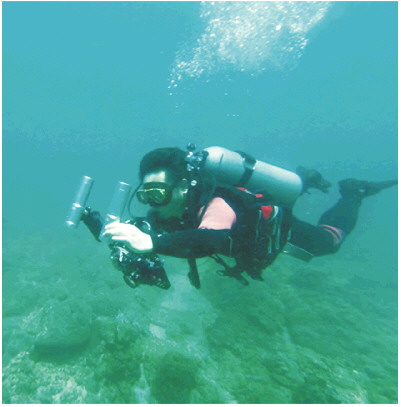
Core Insights - The article discusses the endangered status of Tridacna gigas, a giant clam species, and the efforts by scientists to protect and restore its population through artificial breeding and habitat restoration [4][5][6]. Group 1: Unique Characteristics of Tridacna gigas - Tridacna gigas can grow up to one or two meters and has a unique symbiotic relationship with zooxanthellae, allowing it to thrive on sunlight and live over a hundred years [2][3]. - It plays a crucial role in the marine ecosystem by filtering thousands of liters of seawater daily, thus maintaining the clarity of coral reefs [3]. Group 2: Ecological Importance - The shell of Tridacna gigas provides habitat for various marine species, acting as a "marine apartment" for small crabs, shrimp, and fish [3]. - Its calcium carbonate shell contributes to reef formation and protects coral reefs and coastlines from wave impacts [3]. Group 3: Threats to Survival - Tridacna gigas faces multiple threats, including illegal trade, climate change, and habitat destruction due to human activities such as land reclamation and coral reef mining [4][5]. - A study indicated that the population of Tridacna gigas has decreased by over 80% in the past century, leading to its classification as a critically endangered species [5]. Group 4: Conservation Efforts - Chinese scientists are undertaking artificial breeding of Tridacna gigas to rebuild its population, utilizing controlled environments to stimulate breeding [6][8]. - The survival rate of released juvenile Tridacna gigas has significantly improved, with successful integration into natural habitats observed in demonstration areas [8].