疏花水柏枝

Search documents
历经四季考验,40株人工繁育疏花水柏枝野外存活,四川种活了长江边的濒危植物
Xin Lang Cai Jing· 2026-01-15 12:12
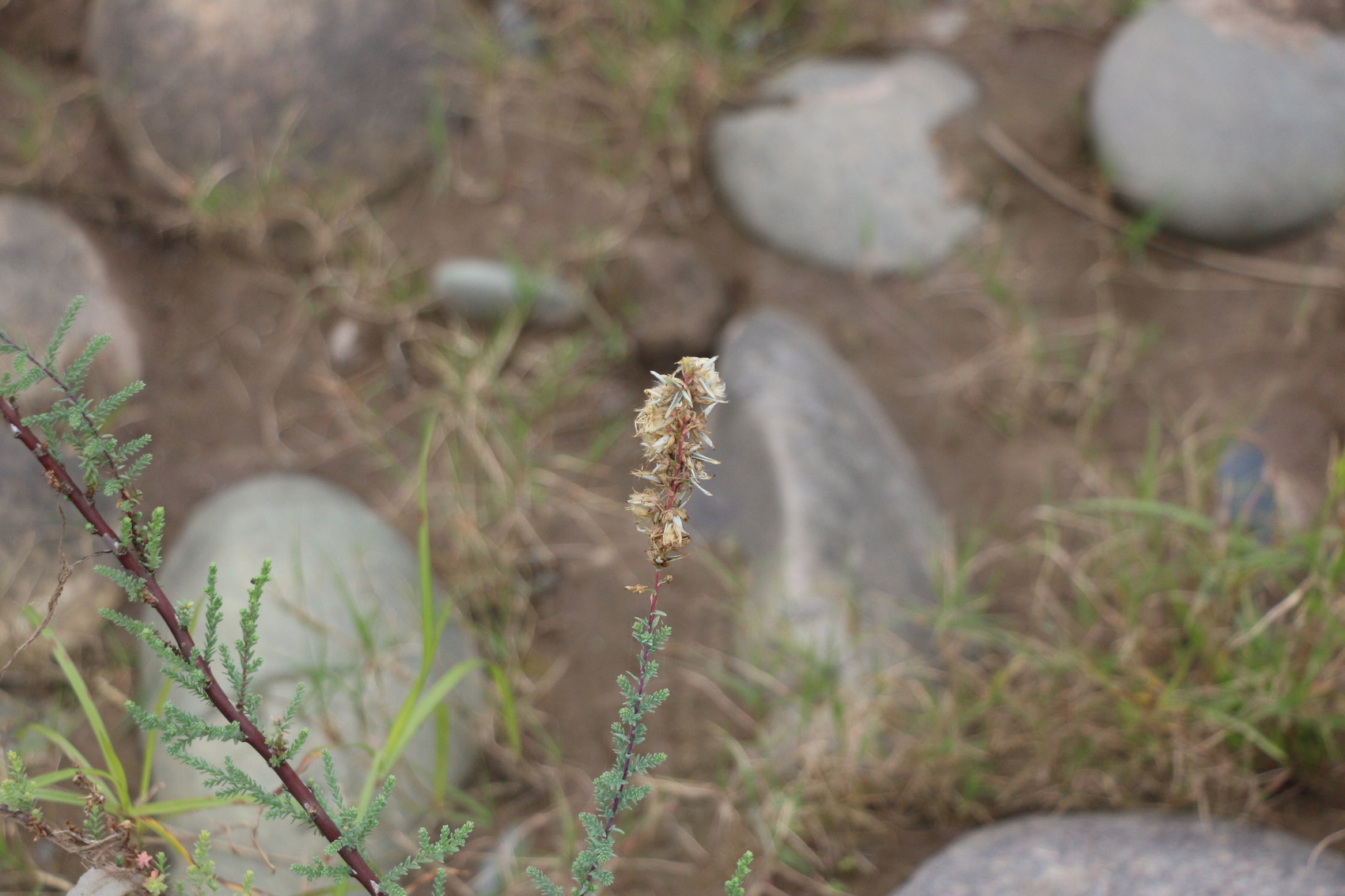
Core Viewpoint - The successful survival of 40 out of 59 transplanted Salix suchowensis (疏花水柏枝) in Yibin, Sichuan, marks a significant achievement in artificial breeding and conservation efforts for this rare species endemic to the Yangtze River basin [1][9]. Group 1: Species Information - Salix suchowensis is a perennial shrub belonging to the Salicaceae family, found only in the Yangtze River basin regions of Sichuan, Chongqing, and Hubei [3]. - The species has a very limited habitat, growing only on seasonally submerged gravel banks, which has led to its extremely rare wild populations [3]. - It was once considered "extinct" but has been rediscovered in the wild since 2014, making it an ecological treasure [3]. Group 2: Conservation Efforts - Since 2022, a systematic survey of Salix suchowensis resources in Yibin has identified 18 wild populations, totaling approximately 30,000 individuals [6]. - The species faces threats from drought and flooding, leading to unstable population numbers and ongoing extinction risks [6]. - Artificial breeding has been identified as crucial for the species' survival, with initial attempts at cutting propagation proving unsuccessful due to high summer temperatures [6]. Group 3: Breeding Techniques - The research team shifted to seed propagation, which has shown better results, with seedlings exhibiting more robust root systems and greater heat tolerance compared to cuttings [6]. - A mature seedling breeding technique was developed, enhancing the growth of seedlings under increased light conditions [6]. Group 4: Field Reintroduction - The first field reintroduction experiment took place in December 2023, in a location with minimal human disturbance, closely resembling the species' natural habitat [9]. - Protective measures were implemented to safeguard the transplanted seedlings from flood impacts, including deep digging, sand backfilling, and surrounding stone placement [9]. - Monthly monitoring revealed that 40 plants survived and thrived, with some even flowering and fruiting, indicating successful adaptation to the wild environment [9].

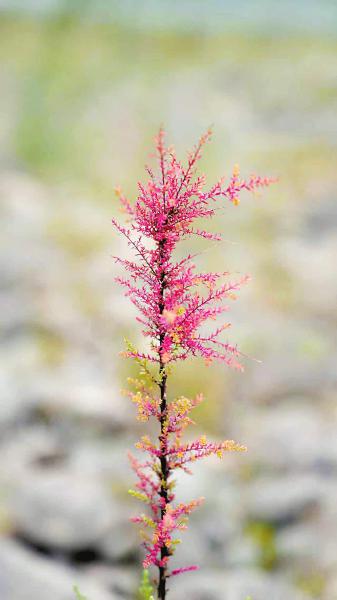
长江宜宾江安段 这种植物数量9年翻倍
Xin Lang Cai Jing· 2026-01-14 19:42
Core Viewpoint - The article highlights the successful conservation efforts for the rare plant species, the Spiraea japonica, in the Yangtze River region, particularly on Orange Flower Island, where the population has doubled from over 30,000 in 2017 to over 70,000 currently due to dedicated protection initiatives [1][4]. Group 1: Conservation Efforts - The conservation work is led by a team formed by Zhou Tao, who transitioned from a fisherman to a river protector, emphasizing the importance of community involvement in protecting the ecosystem [2][4]. - The patrol team conducts regular monitoring and engages with local communities to raise awareness about the significance of protecting the Spiraea japonica and its habitat [4][5]. - The team has successfully eliminated grazing in the area, allowing the seedlings to thrive, with reports of up to ten new plants growing per square meter [4][5]. Group 2: Ecological Impact - The restoration of the Spiraea japonica has positively impacted the local ecosystem, leading to the return of other rare plants, such as the Fengdu plantain, which has been rediscovered in the area [4][5]. - The improved vegetation has also enhanced the habitat for bird species, with a notable increase in the number of gray cranes observed during winter monitoring, from 9 in 2017 to 32 recently [5]. - Technological support, including collaboration with research teams and the installation of surveillance cameras, has strengthened the conservation efforts by monitoring the environment and preventing destructive activities [5].
坚守吧 瀛洲阁
Xin Lang Cai Jing· 2026-01-11 22:26
Core Viewpoint - The article discusses the five-year progress of the Yangtze River's ten-year fishing ban, highlighting its significance for ecological protection and the transformation of local communities, particularly in Sichuan province [2]. Group 1: Ecological Impact - The fishing ban has led to a significant recovery of aquatic life, with the number of a protected plant species, the Sparganium angustifolium, increasing from fewer than 10 to over 1,000 in the past five years [5][6]. - The local fish population has shown a geometric increase, with the weight and size of adult fish significantly larger than before the ban [11]. Group 2: Community Transformation - The fishing ban has resulted in a drastic reduction of the local fishing community, with only 13 residents remaining on the island, down from over 140 [8]. - Former fishermen have transitioned to new livelihoods, with some successfully operating businesses, such as excavation services, generating annual incomes of 200,000 to 300,000 yuan [8][9]. Group 3: Future Prospects - There are ongoing discussions about developing new economic activities in the area, with plans to adjust the protected status of the island to allow for sustainable tourism and other ventures [9]. - The establishment of artificial spawning grounds for the Yangtze sturgeon is being considered to aid in the species' recovery, as natural spawning sites have not been identified [12].
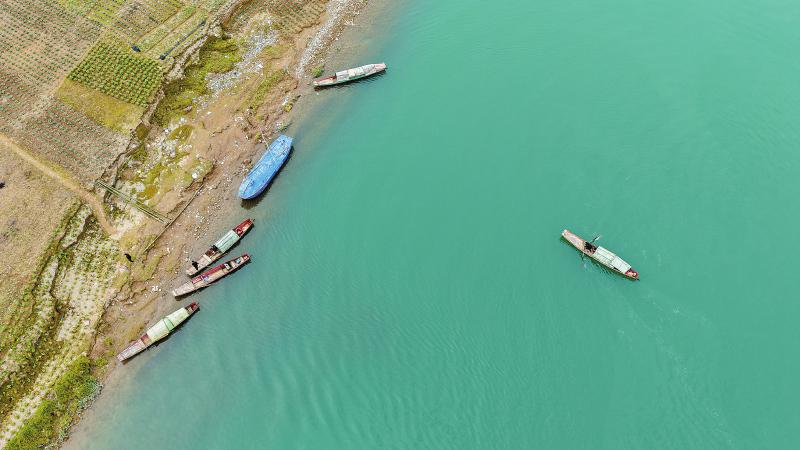
上岸记:坚守吧,瀛洲阁丨长江禁渔五周年行走报道
Xin Lang Cai Jing· 2026-01-11 15:10
Core Viewpoint - The Yangtze River's ten-year fishing ban is a significant decision made by the central government for the long-term benefit of the Chinese nation, marking a historic and exemplary project for ecological protection [2] Group 1: Fishing Ban Impact - The fishing ban has led to the complete withdrawal of fishermen from the island of Yingzhou, with all fishing boats now resting on the shore [4] - The number of the nationally protected plant, Sparganium angustifolium, has increased from fewer than 10 to over 1,000 in the past five years on Yingzhou Island [5] - The fishing ban has resulted in a significant increase in the population of common fish species in the Yangtze River, with notable growth in the weight and size of adult fish compared to pre-ban levels [23] Group 2: Community Transformation - The population of Yingzhou Island has drastically decreased from over 140 residents to just 13 elderly individuals remaining, with many relocating for better opportunities [12] - The remaining residents have shifted to agriculture, growing crops like corn and rapeseed, while some have successfully transitioned to other professions, such as operating excavators [12][16] - The local government is exploring new business models to revitalize the island, leveraging its unique natural scenery and fishing village landscape, although commercial activities are limited due to its status as a core protection area [16] Group 3: Ecological Restoration - The Yangtze River's ecosystem is showing signs of recovery, with the return of rare fish species like the Yangtze sturgeon being a key indicator of ecological health [23][24] - There is a plan to establish an artificial spawning ground for the Yangtze sturgeon in the region to facilitate natural reproduction, as no natural spawning grounds have been found [23] - Continuous improvement in water ecology and environment is essential for the return of rare fish species, with optimism expressed by local researchers regarding the future of the ecosystem [24]