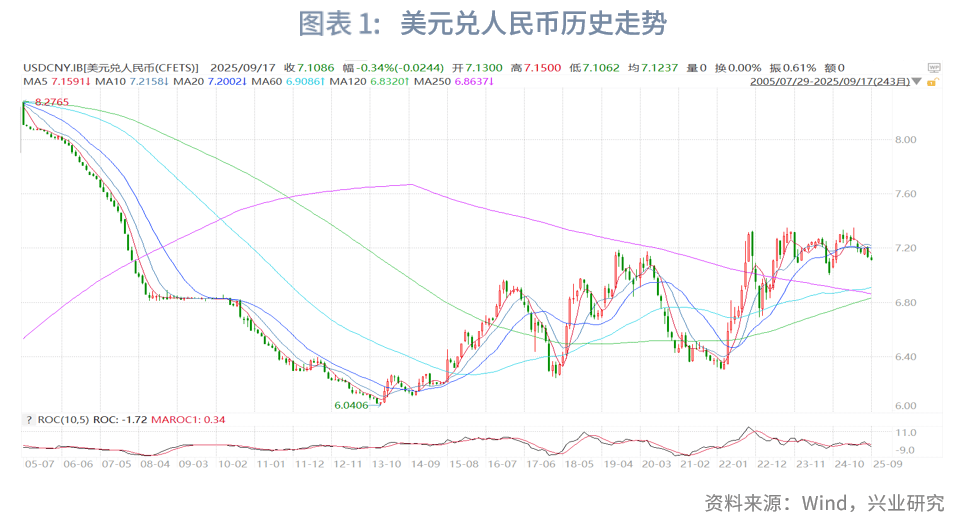
人民币汇率升值周期

Search documents
外汇商品 | 人民币汇率:不一样的升值周期
Sou Hu Cai Jing· 2025-10-12 00:31
Core Viewpoint - The current appreciation cycle of the RMB is characterized by a smaller magnitude compared to previous cycles, primarily driven by the Federal Reserve's monetary policy and domestic factors such as the transition of the RMB into a financing currency and trade war hedging needs [1][4][11]. External Drivers - The external factors influencing the RMB exchange rate include the US dollar index and US dollar interest rates, with a focus on domestic dollar liquidity due to China's incomplete capital account convertibility [4][5]. - The current weakening of the dollar index is attributed to the divergence in monetary policies among major economies and increased hedging against dollar depreciation risks by market institutions [4][11]. Internal Drivers - The domestic environment is characterized by a "loose monetary + loose credit" cycle, contrasting with previous appreciation cycles that featured "tight monetary + loose credit" conditions, contributing to the smaller magnitude of the current appreciation [7][11]. - The RMB has shifted from being an investment currency to a financing currency, which, combined with low exchange rate elasticity, leads to a market preference for holding long positions in USD against RMB, thus suppressing the appreciation potential [11][13]. Market Outlook - The RMB is expected to remain in the current appreciation cycle until at least mid-next year, driven by the Federal Reserve's continued easing and the anticipated release of pending settlement orders [13][15]. - The fourth quarter may see a slight rebound in the dollar index, influenced by external factors, but the overall trend for the RMB remains upward, with caution advised for locking in exchange rates before the Spring Festival [18].