仁政

Search documents
《孟子》中的战争正义性问题
Xin Lang Cai Jing· 2026-02-13 20:37
Core Viewpoint - The article discusses Mencius's perspective on war and governance, emphasizing the importance of benevolent rule and the moral legitimacy of military action, particularly in the context of the state of Yan and the actions of the state of Qi [1][2][3]. Summary by Sections Mencius's Philosophy on War - Mencius criticizes the warlike tendencies of rulers, advocating for benevolent governance to ensure the loyalty of the people and achieve a state of peace without conflict [1][2]. - He introduces the concept of "Tianli" (heavenly officials), suggesting that only those who govern with virtue and receive the mandate of heaven can justly wage war [1][3]. The Case of Qi and Yan - The context of the discussion involves the state of Yan, which was in turmoil, presenting a potential opportunity for Qi to attack [2]. - Mencius acknowledges that the ruler of Yan has committed offenses that could justify military action, yet he emphasizes that only a ruler with the mandate of heaven can rightfully engage in such actions [2][3]. Moral Implications of War - Mencius's reluctance to endorse the war against Yan stems from his belief that Qi's ruler lacks the necessary moral authority, despite the initial military success [3][4]. - The article highlights the tension between the necessity of military action and the moral obligations of rulers, questioning Mencius's initial ambiguous response to the inquiry about attacking Yan [3][6]. Conditions for Just War - Mencius argues that the legitimacy of war is contingent upon the ruler's ability to govern justly and the support of the people, indicating that military action should only be taken if it aligns with the will of the populace [6][7]. - The article concludes that Mencius's views reflect a cautious approach to warfare, advocating for a focus on the moral and ethical implications of military decisions rather than merely the political advantages [7][8].
东西问丨余德烁:为何说儒学是当代世界不可忽视的思想智慧?
Xin Lang Cai Jing· 2026-01-16 11:54
Core Perspective - Confucianism, as a significant ancient Chinese philosophy, has maintained its relevance over thousands of years, shaping Chinese culture and increasingly demonstrating its contemporary value and global significance in the context of ecological crises and ethical vacuums [3][4]. Group 1: Confucian Values - The core values of Confucianism are encapsulated in the five constants: benevolence (仁), righteousness (义), propriety (礼), wisdom (智), and trustworthiness (信) [4]. - Confucianism emphasizes ethical practice and social participation, advocating for personal moral cultivation to promote harmony in families, societies, and nations [4][5]. Group 2: Contemporary Relevance - In modern society, Confucianism's emphasis on benevolence in governance is seen as a necessary moral remedy, urging that governance should prioritize human-centric approaches and compassion [5]. - The rise of utilitarianism in contemporary values often sacrifices moral and emotional aspects, leading to social alienation, which Confucianism addresses by promoting a more humane path [7]. Group 3: East-West Comparative Insights - Confucianism contrasts with Western individualism by emphasizing collective ethics and hierarchical relationships, providing a more compassionate alternative to the efficiency-driven mindset prevalent in modern society [7][10]. - The Confucian principle of governance by virtue suggests that moral character and leadership are essential for effective governance, offering a valuable perspective amidst global political trust crises [7][10]. Group 4: Global Civilization Dialogue - Confucianism's concepts of harmony and coexistence can contribute to resolving conflicts between civilizations, advocating for mutual respect and cultural inclusivity [9][10]. - The philosophy encourages a balance between individual freedom and social responsibility, addressing issues of social fragmentation and spiritual loneliness in some Western societies [10]. Group 5: Future Directions - Promoting successful cross-civilization cooperation, such as Confucianism's "harmony in diversity," can provide shared wisdom for contemporary global governance challenges [12][13]. - The future of human civilization should focus on the integration of technological advancement with moral development, fostering a multi-faceted coexistence of diverse cultures [13].


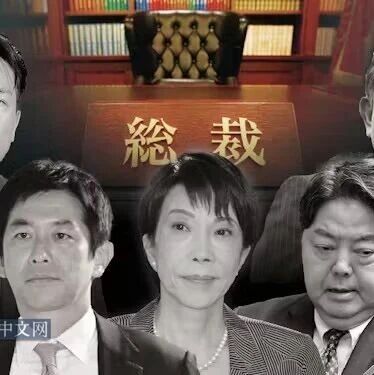
日本自民党总裁选举或形成5人竞争格局
日经中文网· 2025-09-16 08:00
Group 1 - The core viewpoint of the article is the upcoming competition for the leadership of Japan's ruling Liberal Democratic Party (LDP), with multiple candidates expressing their intention to run, indicating a significant political shift [2][4][5] - Chief Cabinet Secretary Hiroshi Matsuno announced his intention to participate in the LDP presidential election, aiming to inherit the intentions of former Prime Minister Shigeru Ishiba and lead the party effectively [2][4] - Agriculture Minister Shinjiro Koizumi also expressed his candidacy, having communicated his thoughts to local supporters prior to the announcement [4][5] Group 2 - The election is expected to feature five main candidates: Koizumi, Kawai, Takagi, Matsuno, and Motegi, creating a competitive landscape [5] - The election announcement will be made on September 22, with voting scheduled for October 4, utilizing a "full-scale" voting method that includes both party members and supporters [5] - Candidates will compete for a total of 590 votes, with equal distribution between 295 LDP lawmakers and party members [5]