和而不同

Search documents
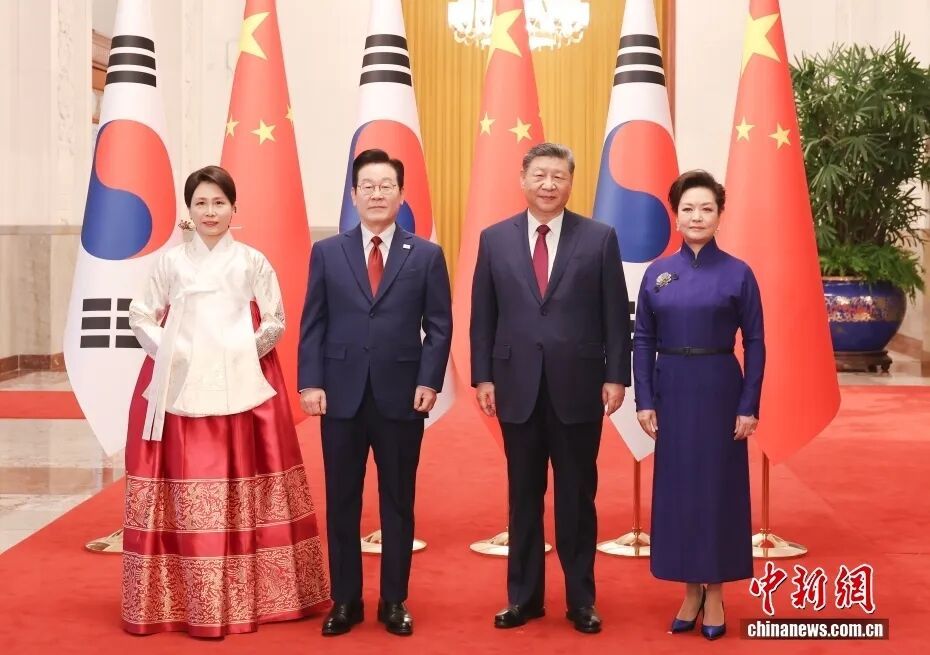
考古新成果阐释中华文明突出特性(考古中国)
Ren Min Ri Bao· 2026-02-28 00:26
Core Viewpoint - The recent release of archaeological findings in China highlights a significant transformation in the field, moving from discovery-driven research to one that is propelled by advanced technology and theoretical frameworks [4]. Group 1: Archaeological Discoveries - Ten important research results were presented, covering a vast timeline from the early Paleolithic to the Tang Dynasty, utilizing various technological methods such as micro-trace analysis and ancient DNA sequencing [4]. - A study confirmed that 35 wooden tools found at the Yunnan Gantangqing site were made and used by ancient humans approximately 300,000 years ago, challenging previous notions of slow technological development in China's Paleolithic era [5]. - Research on genetic links between Tibetan and South Asian populations indicates that the Red River region was a hub for early migrations and interactions, providing biological evidence for the continuity of the Chinese national community [5]. Group 2: Cultural Evolution and Integration - The study of bronze culture evolution reveals that the so-called "new" bronze forms and techniques during the early Zhou Dynasty were actually continuations of earlier traditions, showcasing the integration of cultures during this period [6]. - Research on the planning of the Lingjiatan site demonstrates the advanced urban planning and social mobilization capabilities of its inhabitants over 5,500 years ago [6]. - Analysis of early bronze artifacts from the Erlitou culture clarifies their characteristics and indicates that the concept of using vessels for rituals was already established, contributing to the rise of central plains dynasties [6]. Group 3: Unification of Civilizations - The research emphasizes the long-term cultural development in the Yellow River basin, illustrating how the central plains became a cultural heart through prolonged interactions and exchanges [7]. - The migration and integration of agricultural and nomadic groups during the Eastern Zhou period contributed to the formation of a unified multi-ethnic state, with physical anthropological data providing evidence for this historical process [7]. - The Qin Dynasty's stone inscriptions confirm the early establishment of a unified state, extending its influence to remote regions over 2,000 years ago [8]. Group 4: Cross-Regional Interactions - The rise of the Sanxingdui civilization was linked to extensive interaction networks with the Central Plains and other regions, highlighting the unique style developed through resource sharing and technological exchange [9]. - The analysis of Tang Dynasty textiles from the Qinghai Dulan Hot Water Tombs reveals their production and trade routes, challenging previous theories about their origins and showcasing the openness of Chinese civilization to the world [9]. - The integration of traditional archaeology with natural sciences and big data is emphasized as essential for future research, aiming to enhance cultural confidence and narrate the story of Chinese civilization [9].

“春节的内核是人、是情、是家”
Ren Min Ri Bao· 2026-02-20 00:27
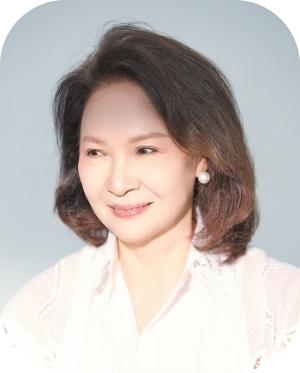
Core Viewpoint - The article emphasizes the cultural significance of the Spring Festival (Chinese New Year) and its role in connecting overseas Chinese communities with their heritage and identity [2] Group 1: Cultural Significance - The essence of the Spring Festival lies in personal connections, symbolized by traditional practices such as red couplets, lucky money, family reunions, and simple greetings like "Happy New Year" [2] - The successful application for UNESCO heritage status for the Spring Festival is seen as a recognition of the value of Chinese civilization by the international community, enhancing cultural identity among overseas Chinese [2] Group 2: Cross-Cultural Connections - The Spring Festival serves as a cultural bridge for overseas Chinese, facilitating connections with their homeland and fostering communication with the world [2] - The shared values of reunion, gratitude, sharing, and blessings during the Spring Festival resonate with similar sentiments found in other cultural celebrations, such as the Malay Eid al-Fitr [2] Group 3: Philosophical Insights - The principles of "harmony in diversity" and "coexistence" reflected in the Spring Festival traditions promote family harmony and broader societal unity [2] - The festival teaches values of self-contentment, familial peace, and respect for others, highlighting that true harmony is about appreciating differences rather than enforcing uniformity [2]
“和而不同”的现代作家“合论”
Xin Lang Cai Jing· 2026-02-06 00:22
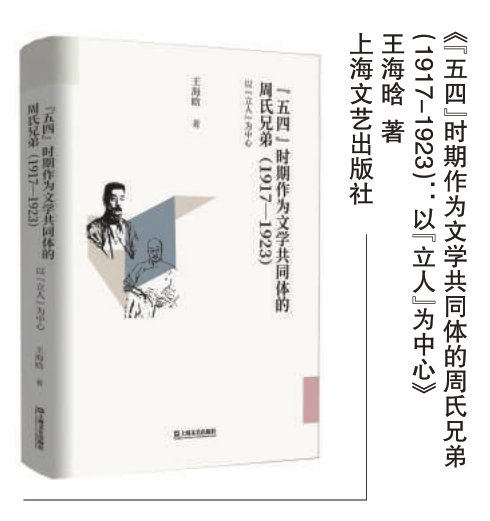
Group 1 - The article discusses the traditional practice of "combined criticism" in Chinese literary criticism, tracing its evolution from the Wei-Jin period to the Tang-Song era, highlighting how it shapes aesthetic judgments and contributes to literary history [2] - The work of young scholar Wang Haihan redefines the relationship between Lu Xun and Zhou Zuoren, presenting them as a "literary community" during the May Fourth Movement, focusing on their shared cultural practices rather than their differences [3][4] - The author emphasizes a methodology of "harmony in difference," arguing that the commonality of the "Li Ren" concept among Lu Xun and Zhou Zuoren serves as a foundation for their literary practices, which can be analyzed through their collaborative efforts in the journal "New Youth" [4][5] Group 2 - The book traces the establishment and collaborative division of labor within the Zhou brothers' literary community during the May Fourth period, examining how the "Li Ren" concept evolved into a cultural project reflected in their stylistic choices and rhetorical strategies [5][6] - The author critiques mainstream literary interpretations that focus solely on content or form, advocating for a return to the artists' perspectives and their conscious stylistic practices, which address social and ideological issues [6] - The methodology employed in the book opens new avenues for studying the Zhou brothers and the historical context of May Fourth literature, while also acknowledging the potential risks of hindsight in historical narratives [8]
牛弹琴:中国太厚道了
Xin Lang Cai Jing· 2026-02-01 00:32
Group 1 - European countries have realized that their focus on China was misplaced, as the real threat came from the United States, which has imposed taxes and sought to dominate resources in Europe [3][29] - In response to this realization, European nations are now turning towards China for cooperation [4][30] - Recent visits from foreign leaders, including those from Canada and the UK, indicate a shift in diplomatic relations, despite past tensions [6][35] Group 2 - Canada has faced backlash in China due to its involvement in the Meng Wanzhou incident and the imposition of high tariffs on Chinese goods, which has severely damaged its image [7][33] - The UK has also strained relations with China through various political maneuvers, but recent diplomatic engagements suggest a potential thaw in relations [8][34] - Both Canada and the UK are now seeking to improve ties with China, with Canada planning to significantly reduce tariffs on Chinese electric vehicles [10][37] Group 3 - China's leadership emphasizes a consistent stance of openness and cooperation, stating that it has never initiated conflict or threatened other nations, contrasting with the actions of some Western countries [14][42] - The Chinese government advocates for a multilateral approach to international relations, urging major powers to adhere to principles of equality and cooperation [15][43] - The recent diplomatic engagements reflect a broader trend of improving relations between China and several countries, as leaders recognize the importance of collaboration over confrontation [18][49]
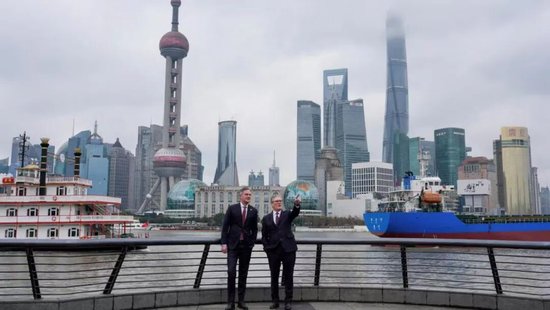
学习时报:君子成人之美
Xin Lang Cai Jing· 2026-01-31 23:41
Group 1 - The core idea emphasizes the importance of the "gentleman" (君子) in recognizing and nurturing the beauty and potential in others, transcending personal limitations and fostering a harmonious society [1][2] - The concept of "knowing beauty and recognizing beauty" is crucial for a gentleman, as it involves self-awareness and the ability to appreciate the strengths and potentials of others [1] - Historical examples illustrate the principle of "adulting beauty," where individuals support and promote the talents of others, leading to collective success and harmony [2] Group 2 - The notion of "harmony in diversity" is highlighted, suggesting that a gentleman respects different values and perspectives, seeking solutions that accommodate various reasonable claims [3] - The idea of "nurturing all things without harm" expands the gentleman's vision to a broader context, emphasizing the importance of collective well-being and environmental harmony [3][4] - The contemporary relevance of the "nurturing all things" concept is underscored, as it addresses global challenges such as ecological crises and social inequalities, advocating for a higher level of civilizational exchange and mutual understanding [4]
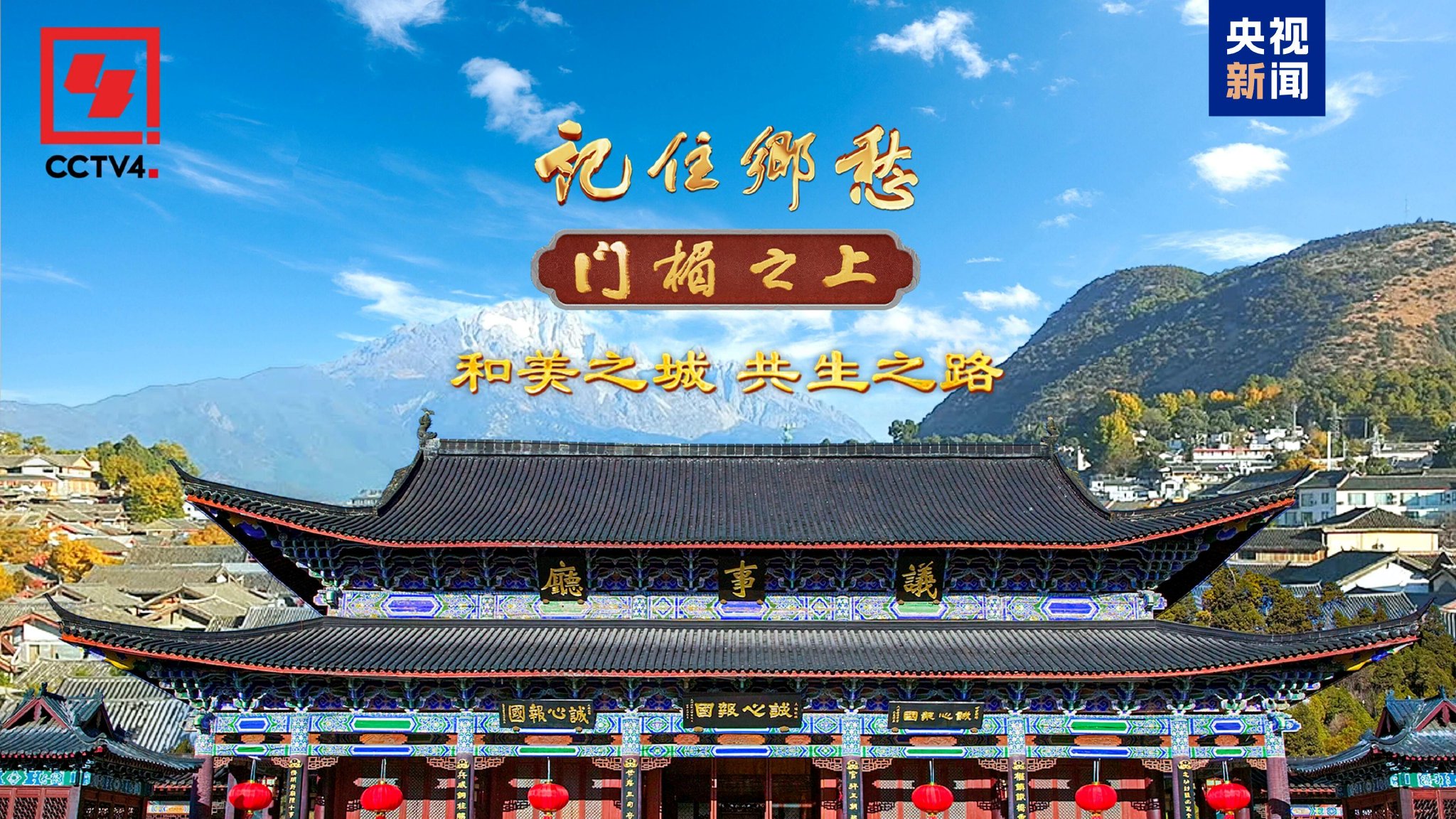
文化中国行·记住乡愁丨寻找“和而不同”的丽江故事
Xin Lang Cai Jing· 2026-01-27 03:23
Group 1 - Lijiang is a city that attracts many people seeking a different answer to life, with its rich history and stories spanning over 800 years [2] - The unique architectural site, the Mu Mansion, served as the political and living space for the Mu family, with a plaque granted by Zhu Yuanzhang, the founder of the Ming Dynasty [3] - The Mu family established a unique surname system, where the title of the local chieftain was passed to the eldest son, while other branches changed their surnames after several generations, fostering unity among the people [5] Group 2 - The stable living environment and extensive exchanges with the Central Plains led to a cultural prosperity in Lijiang, evidenced by a 600-year-old mural showcasing a blend of various artistic styles [7] - The rise of tourism in the early 21st century transformed old residences into lucrative investments, with property values increasing significantly [7] - The "Hengyugong" old residence was preserved as a living museum, allowing it to serve both as a cultural exhibit and a family home, embodying the concept of "living heritage" [7][8] Group 3 - The Lijiang Ancient City Protection Management Bureau initiated the creation of cultural courtyards, with "Hengyugong" being selected for development, enhancing its growth through government support [8] - Lijiang is characterized by its openness and inclusivity, continuously writing a narrative of "harmony in diversity" through its historical and cultural evolution [8]
东西问丨余德烁:为何说儒学是当代世界不可忽视的思想智慧?
Xin Lang Cai Jing· 2026-01-16 11:54
Core Perspective - Confucianism, as a significant ancient Chinese philosophy, has maintained its relevance over thousands of years, shaping Chinese culture and increasingly demonstrating its contemporary value and global significance in the context of ecological crises and ethical vacuums [3][4]. Group 1: Confucian Values - The core values of Confucianism are encapsulated in the five constants: benevolence (仁), righteousness (义), propriety (礼), wisdom (智), and trustworthiness (信) [4]. - Confucianism emphasizes ethical practice and social participation, advocating for personal moral cultivation to promote harmony in families, societies, and nations [4][5]. Group 2: Contemporary Relevance - In modern society, Confucianism's emphasis on benevolence in governance is seen as a necessary moral remedy, urging that governance should prioritize human-centric approaches and compassion [5]. - The rise of utilitarianism in contemporary values often sacrifices moral and emotional aspects, leading to social alienation, which Confucianism addresses by promoting a more humane path [7]. Group 3: East-West Comparative Insights - Confucianism contrasts with Western individualism by emphasizing collective ethics and hierarchical relationships, providing a more compassionate alternative to the efficiency-driven mindset prevalent in modern society [7][10]. - The Confucian principle of governance by virtue suggests that moral character and leadership are essential for effective governance, offering a valuable perspective amidst global political trust crises [7][10]. Group 4: Global Civilization Dialogue - Confucianism's concepts of harmony and coexistence can contribute to resolving conflicts between civilizations, advocating for mutual respect and cultural inclusivity [9][10]. - The philosophy encourages a balance between individual freedom and social responsibility, addressing issues of social fragmentation and spiritual loneliness in some Western societies [10]. Group 5: Future Directions - Promoting successful cross-civilization cooperation, such as Confucianism's "harmony in diversity," can provide shared wisdom for contemporary global governance challenges [12][13]. - The future of human civilization should focus on the integration of technological advancement with moral development, fostering a multi-faceted coexistence of diverse cultures [13].
数智赋能,让中华优秀传统文化在思政课中“活起来”
Xin Lang Cai Jing· 2026-01-13 04:20
Core Viewpoint - The integration of traditional Chinese culture into ideological and political education is essential for aligning Marxist principles with Chinese realities and cultural heritage [1][2]. Group 1: Challenges in Integration - Current practices face challenges such as superficial integration and a reliance on one-way knowledge transmission, which fails to resonate with students [2]. - The use of digital technologies like AI and VR is reshaping information generation and cognitive patterns, necessitating a transformation in teaching methods and content [1][2]. Group 2: Transformative Approaches - To overcome existing challenges, a shift from knowledge transmission to meaning construction is required, utilizing data-driven perception, scenario building, personalized interaction, and process evaluation [2]. - Digital technologies can convert vast cultural resources into dynamic educational tools, creating relevant case studies and discussion scenarios that connect abstract principles with cultural contexts [2][4]. Group 3: Redefining Educational Relationships - The role of educators is evolving into that of designers of learning ecosystems and facilitators of dialogue, encouraging students to explore the connections between traditional culture and Marxist principles [3]. Group 4: Systematic Restructuring - A comprehensive approach is needed to integrate traditional culture into ideological education, focusing on reforming educational philosophy, content supply, scenario architecture, interaction modes, and evaluation paradigms [4]. - Developing a dynamic resource system that aligns with contemporary social issues and utilizing modern media formats can enhance the appeal and effectiveness of traditional culture [4]. Group 5: Practical Learning Environments - Educational scenarios should be designed to facilitate a cycle of immersion and reflection, progressing from cultural experiences to complex decision-making and innovative problem-solving [5]. - Implementing a data-driven feedback system can enhance the learning experience by analyzing student engagement and providing tailored educational resources [5]. Group 6: Evaluation and Ethical Considerations - A shift from traditional assessment methods to formative evaluations that track student growth in cultural understanding and value judgment is essential [6]. - Ethical considerations regarding data privacy and algorithmic bias must be prioritized to ensure that technology serves educational values rather than undermining them [6].
【静夜·悦读】允许别人做别人,允许自己做自己
Xin Lang Cai Jing· 2026-01-10 14:21
Group 1 - The core idea emphasizes the importance of respecting differences in relationships, advocating for mutual understanding and acceptance among individuals [2][3][5] - A high level of understanding allows individuals to appreciate each other's unique qualities without forcing change upon one another, fostering a supportive environment [5][7] - Healthy relationships are characterized by a balance of closeness and distance, where individuals respect each other's boundaries and maintain a comfortable level of interaction [8] Group 2 - The best relational dynamic is one that combines acceptance, understanding, and respect, allowing for individuality while nurturing connections [7][8] - Relationships thrive when there is a clear understanding of personal space and emotional boundaries, preventing discomfort and fostering long-lasting connections [8]

(近观中国)中韩元首会谈,习近平为何提到这两个成语?
Zhong Guo Xin Wen Wang· 2026-01-06 07:08
Core Viewpoint - The meeting between Chinese President Xi Jinping and South Korean President Yoon Suk-yeol emphasizes the importance of mutual understanding and cooperation between China and South Korea, highlighting the principles of "harmony is precious" and "unity in diversity" as foundational to their relationship [1][3][4]. Group 1: Historical Context and Cultural Significance - The principles of "harmony is precious" and "unity in diversity" reflect the historical development of China-South Korea relations, dating back to the establishment of diplomatic ties in 1992 [3]. - Both countries share a deep cultural connection rooted in Confucian values, which facilitates mutual recognition of these principles [3][4]. Group 2: Current Diplomatic Engagement - This visit marks the first state visit to China by a South Korean president in over eight years, indicating a renewed commitment to strengthening bilateral relations [3][4]. - President Yoon expressed a desire to use this diplomatic engagement to eliminate misunderstandings and enhance strategic cooperation between the two nations [4]. Group 3: Economic Cooperation - Economic collaboration has been a cornerstone of China-South Korea relations, with China being South Korea's largest trading partner and vice versa [5]. - The meeting resulted in the signing of 15 cooperation agreements across various sectors, including technology and environmental initiatives, showcasing a commitment to expanding economic ties [6]. Group 4: Regional Stability and Historical Reflection - The leaders discussed their shared responsibility in maintaining regional peace and promoting global development, referencing historical sacrifices made during the fight against Japanese militarism [7]. - The visit to the site of the Korean Provisional Government in Shanghai by President Yoon symbolizes the historical ties and mutual support between the two nations during challenging times [7].