企业扩张风险

Search documents
比格比萨冲刺港股:创始人刚怒批门店“恶心”,负债率已超90%
新浪财经· 2026-01-18 07:10
Core Viewpoint - Big Pizza International Holdings Limited is preparing for an IPO on the Hong Kong Stock Exchange, with projected revenue growth but declining profit margins due to rising costs [3][4][8]. Financial Performance - Projected revenues for 2023, 2024, and the first three quarters of 2025 are RMB 943.5 million, RMB 1.147 billion, and RMB 1.389 billion respectively [4]. - Net profits for the same periods are expected to be RMB 47.5 million, RMB 41.7 million, and RMB 51.7 million, with net profit margins of 5.0%, 3.6%, and 3.7%, indicating a downward trend [4][8]. - The company has experienced a 12.2% decline in net profit from 2023 to 2024, with profit margins decreasing from 5.0% to 3.6% [8]. Expansion Plans - Big Pizza plans to open approximately 610 to 790 new stores over the next three years, potentially doubling its store count [5][6]. - As of September 30, 2025, the company operates 342 stores across 28 provinces and 105 cities in China, with 265 being self-operated [6][7]. Cost and Profitability Issues - Rising costs of raw materials and employee benefits are contributing to declining profit margins, with the company indicating that these trends may continue as store numbers increase [8][11]. - Average spending per order at self-operated stores has decreased from RMB 70.9 to RMB 62.8, while franchise stores have seen a drop from RMB 68.2 to RMB 63.7 [9][10]. Financial Health - As of September 30, 2025, Big Pizza's total liabilities are RMB 838 million against total assets of RMB 901 million, resulting in a debt-to-asset ratio exceeding 93% [10][11]. - The company's debt levels are significantly higher than industry standards, raising concerns about financing risks associated with rapid expansion [11]. Management Challenges - The rapid expansion has led to operational challenges, including issues with store hygiene and marketing controversies, which have been publicly criticized by the company's founder [12][13][20]. - Recent controversies, such as a promotional event for sanitation workers, have sparked public backlash, highlighting the company's struggles with effective marketing and community engagement [15][16].

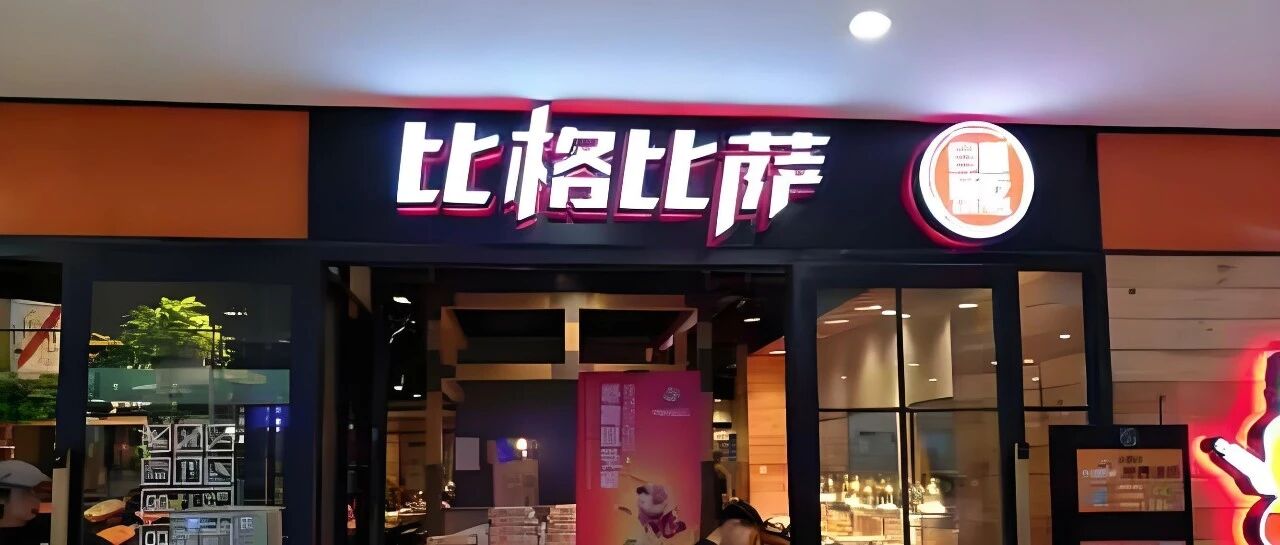
比格比萨冲刺港股:创始人刚怒批门店“恶心”,负债率已超90%
Xin Lang Cai Jing· 2026-01-18 07:01
Core Viewpoint - Big Pizza International Holdings Limited is preparing for an IPO on the Hong Kong Stock Exchange, with projected revenues increasing but profit margins declining due to rising costs [2][17]. Financial Performance - Projected revenues for Big Pizza from 2023 to 2025 are 943.5 million, 1.147 billion, and 1.389 billion yuan respectively [3][17]. - Net profits for the same periods are expected to be 47.5 million, 41.7 million, and 51.7 million yuan, with net profit margins decreasing to 5.0%, 3.6%, and 3.7% [6][22]. Expansion Plans - Big Pizza plans to open approximately 610 to 790 new stores over the next three years, potentially doubling its store count [4][20]. - As of September 30, 2025, the company operates 342 stores across 28 provinces and 105 cities in China, including 265 self-operated restaurants [5][20]. Profitability Concerns - Despite revenue growth, the profit growth has been unstable, with a 12.2% decline in net profit from 2023 to 2024 [6][22]. - The profit margin is expected to continue declining due to increased costs associated with store expansion and employee benefits [7][22]. Consumer Spending Trends - Average spending per transaction at self-operated stores has decreased from 70.9 yuan in 2023 to 62.8 yuan in 2025, indicating a downward trend in consumer spending [23][24]. Financial Health - As of September 30, 2025, Big Pizza's total liabilities are 838 million yuan against total assets of 901 million yuan, resulting in a debt-to-asset ratio exceeding 93% [8][25]. - The company’s debt levels are significantly higher than industry standards, raising concerns about financial stability [9][25]. Management Challenges - The rapid expansion has led to operational challenges, including issues with store hygiene and marketing controversies, which have been publicly criticized by the founder [10][26]. - The founder has expressed concerns about the adequacy of the operational system to handle the challenges posed by rapid growth [9][25].
温州千亿房企项目停摆,80后创始人接盘烂尾楼起家,身价超100亿
21世纪经济报道· 2025-07-25 15:53
Core Viewpoint - The article discusses the rise and challenges of Duofe Group, highlighting its rapid expansion across various industries and the emerging debt issues that threaten its stability [2][20]. Group 1: Company Overview - Duofe Group, founded by Hu Xingrong, started as a lock manufacturing company and has grown into a diversified business empire with over 200 billion yuan in revenue, ranking 38th among China's private enterprises [9][14]. - The company has expanded into real estate, aviation, new energy, and cultural tourism, establishing a global business footprint [10][14]. Group 2: Financial Performance - In 2024, Duofe Group reported revenues of 218.9 billion yuan and total assets of 143.3 billion yuan [14]. - Hu Xingrong's personal wealth reached 13 billion yuan, placing him on the Hurun Global Rich List [14]. Group 3: Debt Issues - Duofe Group is facing significant debt disputes, with its subsidiary, Wenzhou Duofe Real Estate Group, involved in 18 legal cases, totaling 34.2 million yuan in claims [17]. - The company has been unable to fully resolve its debt issues, with multiple projects experiencing delays and financial difficulties [18][19]. Group 4: Project Challenges - Several projects, including the Wenzhou Aviation Industrial Park and various cultural tourism initiatives, have stalled due to financial constraints and legal issues [18][19]. - The ambitious plans for the Wenzhou Aviation Industrial Park, initially announced with a 15 billion yuan investment, have not materialized as expected [18]. Group 5: Strategic Insights - The rapid expansion strategy of Duofe Group, while initially successful, has led to vulnerabilities, emphasizing the need for a balance between aggressive growth and sustainable practices [20].

400亿家具大佬、常州首富,出事了
创业家· 2025-05-25 09:34
Core Viewpoint - The article discusses the recent turmoil in the home furnishing industry, particularly focusing on the investigation of key executives at Red Star Macalline, highlighting the impact of leadership changes and financial mismanagement on the company's performance [4][12][20]. Group 1: Company Background - Red Star Macalline, a leading home furnishing company in China, has faced significant challenges following the investigation of its CEO, Che Jianxin, who has been placed under scrutiny by the Yunnan Provincial Supervisory Committee [4][20]. - The company operates 77 self-owned malls, 257 managed malls, and has authorized 33 franchise home furnishing projects, covering 405 home furnishing stores/industrial streets as of December 31, 2024 [5]. Group 2: Leadership and Management Changes - Following Che Jianxin's investigation, the company announced that Chairman Li Yupeng would temporarily assume the CEO's responsibilities to ensure business continuity [4][5]. - The management team remains stable, and the company's organizational structure and internal control mechanisms are reported to be intact, minimizing the impact of the leadership change on operations [4][5]. Group 3: Financial Performance and Challenges - Red Star Macalline's aggressive expansion into real estate led to a significant increase in debt, with liabilities nearing 70%, raising concerns about financial stability [13][14]. - The company's total liabilities peaked at nearly 200 billion yuan by 2020, with current liabilities reaching 112 billion yuan, indicating severe financial strain [16]. - The company has reported consecutive losses in 2023 and 2024, with net losses of 22.16 billion yuan and 29.83 billion yuan, respectively, and a decline in revenue of 23.5% in Q1 2025 [24]. Group 4: Market Reaction and Future Outlook - The market reacted mildly to the news of Che Jianxin's investigation, with Red Star Macalline's stock price dropping by 1.36% to 2.90 yuan per share as of May 21 [5]. - The future direction of Red Star Macalline remains uncertain, particularly in light of the leadership changes and ongoing financial difficulties [24].