企业海外并购风险

Search documents
闻泰没了安世控制权,股权变废纸,国家出手改写游戏规则!
Sou Hu Cai Jing· 2026-02-20 14:46
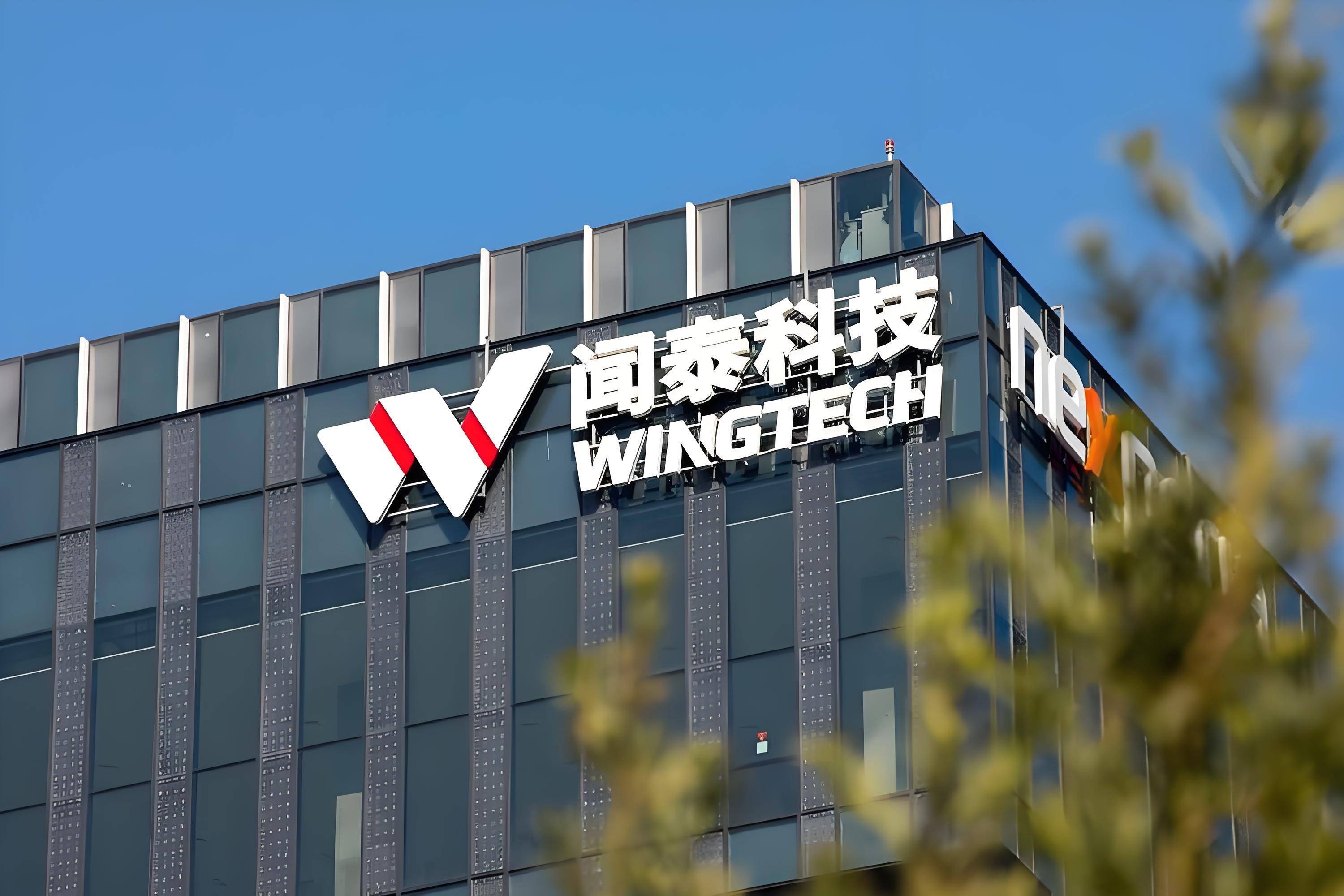
Core Viewpoint - The acquisition of Nexperia by Wingtech Technology in 2019 was seen as a significant move for a Chinese company to gain technology and market influence, but subsequent actions by the U.S. and Dutch governments have led to a loss of control over the company, highlighting the complexities of international business operations and the potential for geopolitical factors to disrupt corporate governance [1][4][5]. Group 1: Acquisition and Initial Impact - In 2019, Wingtech Technology acquired Nexperia for 33 billion RMB, a company specializing in automotive chips, which was crucial for global automotive manufacturers, especially in Europe [1]. - The acquisition was perceived as a major milestone for Chinese enterprises in overseas mergers, enhancing technological capabilities and market power [1]. Group 2: Government Actions and Legal Developments - By the end of 2024, the U.S. placed Wingtech on an entity list, alleging it assisted China's military modernization without providing evidence, leading to significant repercussions [4]. - In September 2025, the Dutch government froze Nexperia's global assets amounting to 14.7 billion RMB and restricted changes in ownership and intellectual property, effectively sidelining Wingtech from decision-making [4]. - An independent administrator was appointed to manage Nexperia, halting the supply of wafers to Wingtech's Dongguan factory, which could result in losses exceeding 10 billion RMB for the company in 2025 [4]. Group 3: Shift in Control and Future Operations - By February 2026, the Dutch government approved a $60 million loan to Nexperia, indicating a shift towards independent operations away from Chinese financial support [5]. - Nexperia has undergone a process of "de-Chinization," with new management and supply chains avoiding Chinese involvement, and potential European capital infusion to dilute existing shares [5]. - Legal avenues for Wingtech to regain control appear increasingly limited, as Dutch courts upheld the suspension of its CEO, indicating a challenging environment for foreign companies in similar situations [5][6]. Group 4: Broader Implications - The situation illustrates a clash between traditional business practices and national security considerations, where adherence to conventional rules may disadvantage companies facing geopolitical pressures [6]. - The ongoing operations of Nexperia, now independent from Wingtech, serve as a cautionary tale for companies looking to expand internationally, emphasizing the need to understand the true nature of ownership and control in cross-border acquisitions [6].