企业舆情应对

Search documents
清朗网络环境护航企业发展
Xin Lang Cai Jing· 2026-01-27 09:35
Core Viewpoint - The article emphasizes the detrimental impact of false information and malicious rumors on companies, particularly in the context of the capital market, which is highly sensitive to information [1][2]. Group 1: Impact on Companies - The spread of false information harms normal business operations and disrupts the market order, ultimately affecting economic stability [1]. - Private enterprises are at a disadvantage in handling negative public opinion, which can exacerbate their existing challenges in market competition and financial pressures [2]. - The decline of companies due to adverse public opinion can threaten employment stability and economic growth, impacting the overall economic foundation of the country [2]. Group 2: Responsibilities and Solutions - Online platforms must abandon short-sighted "traffic-first" thinking and take responsibility by implementing content review mechanisms to block and delete malicious content [2]. - There is a need for collaboration among various stakeholders, including regulatory bodies and mainstream media, to create a clear and healthy online discourse environment [3][4]. - Companies should enhance their public relations capabilities and engage in sincere communication to address consumer concerns and mitigate conflicts [3]. Group 3: Role of Media and Regulation - Mainstream media should actively correct negative public opinions and guide the public to view corporate issues comprehensively, avoiding misleading narratives [3][4]. - Regulatory departments should leverage technology to enhance their ability to detect and address online rumors and malicious attacks on companies [3].
谣言也有“杀伤力”,农夫山泉应对舆情错在什么地方?
3 6 Ke· 2025-04-02 00:19
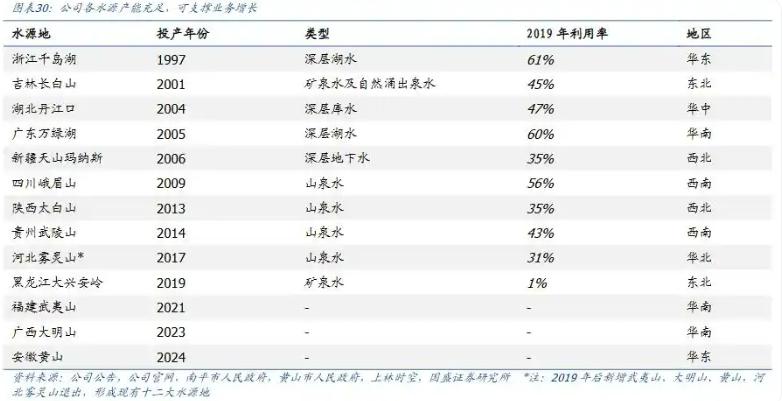
Core Viewpoint - The article discusses the impact of public sentiment and rumors on Nongfu Spring's business performance in 2024, highlighting the company's financial results and the challenges it faced due to negative publicity surrounding its founder, Zhong Shanshan [1]. Financial Performance - In 2024, Nongfu Spring reported revenue of 42.896 billion yuan, a year-on-year increase of 0.5%, and a net profit of 12.123 billion yuan, also up 0.4% [1]. - The bottled water segment experienced a significant decline, with revenue dropping by 21.3% to 15.952 billion yuan, leading to a market share decrease from 47.5% to 37.2% [1]. - The tea beverage segment, however, saw a revenue increase of 32.3% to 16.745 billion yuan, becoming the largest business segment with a 39% share [1]. Rumor Dynamics - The article categorizes the types of rumors affecting Nongfu Spring into three main forms: fabrication, strained associations, and distorted interpretations [2]. - Fabricated rumors included claims that Nongfu Spring hired online trolls to discredit Wahaha and imposed sales bans on its products, which were proven false [3]. - Strained associations involved claims that Zhong Shanshan's founding of Nongfu Spring was a personal vendetta against Wahaha, which was not the case [4]. - Distorted interpretations included rumors about the company's future ownership due to Zhong's son's American nationality, which were addressed by Zhong clarifying the company's ownership structure [6][7]. Response to Public Sentiment - Nongfu Spring's approach to handling rumors was characterized as "hard confrontation," which had mixed results in mitigating negative impacts [8]. - The company misjudged the severity of public sentiment, leading to a response that did not resonate with certain audience segments, ultimately affecting its bottled water business [9]. - The article emphasizes the importance of emotional management in public relations, suggesting that the company should focus on addressing underlying public sentiments rather than merely countering rumors [14]. Strengths and Weaknesses - Nongfu Spring's strong market position is attributed to its extensive water sources and robust offline distribution channels, with over 80% of revenue coming from offline sales [12]. - Despite its hard strengths, the company struggled with soft skills in public relations, leading to a disconnect with public sentiment and contributing to the negative impact on its bottled water segment [13][14].