休假制度

Search documents
最长春节假期机票搜索量瞬时增长3倍
Bei Jing Shang Bao· 2025-11-04 16:13
Core Insights - The announcement of the longest Spring Festival holiday in 2026, from February 15 to 23, has led to a significant increase in travel-related searches and bookings, indicating a strong demand for travel during this period [1][2]. Group 1: Travel Demand and Booking Trends - The search volume for train and international flight tickets during the New Year and Spring Festival periods has doubled within half an hour of the announcement, with flight searches for the Spring Festival increasing threefold [1]. - As of November 4, 2026, domestic flight and hotel searches for February 14 and 15 have more than doubled compared to the previous day, with travelers already booking tickets for destinations like Haikou, Sanya, and international locations such as Hong Kong and Seoul [1][2]. - The number of booked flights for the 2026 Spring Festival is expected to increase by 63% compared to the previous year, reflecting a growing trend in travel during this extended holiday [1]. Group 2: Impact of Extended Holiday on Travel Behavior - The extended holiday is anticipated to facilitate staggered travel, leading to a more balanced daily passenger flow and a comfortable travel experience, with overall travel orders and volumes expected to reach new highs [2]. - The implementation of longer holidays, including "spring and autumn breaks" and "snow holidays," is seen as a tool to enhance regional consumption and population mobility [2]. - The increased holiday duration not only allows for family reunions but also provides opportunities for diverse travel arrangements, including long-distance domestic and outbound tourism [2].
最长春节假期引爆出行热:机票搜索量瞬时增长3倍
Bei Jing Shang Bao· 2025-11-04 13:29
Core Insights - The announcement of the 2026 holiday schedule has led to a significant increase in ticket searches for the New Year and Spring Festival, with Spring Festival being the longest in history, lasting from February 15 to 23, totaling 9 days [1][3][4]. Group 1: Holiday Schedule and Search Trends - The New Year holiday will be from January 1 to 3, 2026, and the Spring Festival holiday will be from February 15 to 23, 2026, marking the longest Spring Festival ever [3]. - Within half an hour of the announcement, searches for train tickets and international flights during the New Year and Spring Festival surged, with Spring Festival flight searches increasing threefold [1][3]. - Data from Qunar indicates that as of November 4, 2026, searches for domestic flights and hotels on February 14 and 15 have more than doubled compared to the previous day [3][4]. Group 2: Travel Destinations and Booking Trends - Popular domestic destinations for the Spring Festival include Haikou, Sanya, and Hangzhou, while international destinations include Hong Kong, Seoul, and Tokyo [3][4]. - The number of booked flights for the Spring Festival in 2026 is expected to increase by 63% compared to 2025 [4]. - Over 350 cities have travelers searching for Spring Festival travel options, with some modifying their travel plans to start on February 15 instead of February 16 [4]. Group 3: Impact on Travel Industry - The extended holiday is expected to lead to a record high in overall travel orders and passenger volume, with a more balanced daily flow of travelers [5][6]. - The holiday extension reflects a growing trend in using vacation policies to boost regional consumption and population mobility [6]. - The integration of AI tools in travel planning is becoming more prevalent, with travelers utilizing platforms like DeepTrip for itinerary planning [6].

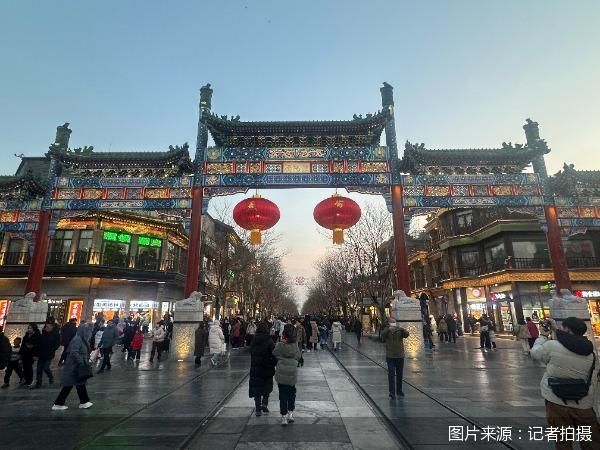
春节连休9天!机票搜索量瞬时增长3倍!
Zheng Quan Shi Bao Wang· 2025-11-04 11:49
Core Insights - The State Council of China announced the holiday schedule for 2026, with the Spring Festival holiday from February 15 to February 23, totaling 9 days, and New Year's holiday from January 1 to January 3, totaling 3 days [1] Group 1: Travel Demand Surge - Following the announcement, there was a significant increase in ticket searches on travel platforms, with train ticket searches for the New Year and Spring Festival doubling within half an hour [1] - Flight searches for the Spring Festival period surged threefold, indicating heightened interest in travel during this extended holiday [1] - Data from Tongcheng Travel showed that searches for domestic flights and hotels on February 14 and 15 increased by over 100% compared to the previous day [1] Group 2: Popular Destinations - The top five domestic flight routes during the Spring Festival are: Shenzhen to Shanghai, Shanghai to Harbin, Harbin to Shanghai, Guangzhou to Shanghai, and Guangzhou to Changchun [1] - The most popular cities for accommodation during the holiday are Beijing, Shanghai, Harbin, Guangzhou, and Sanya, highlighting the appeal of winter travel destinations [1] Group 3: Booking Trends - Some travelers have already booked flights for the days leading up to the Spring Festival, with popular domestic destinations including Haikou, Sanya, and Hangzhou, and international destinations like Hong Kong, Seoul, and Tokyo [2] - The search volume for domestic travel during the Spring Festival is notably high for cities such as Sanya, Dali, Harbin, Haikou, and Xishuangbanna, while international interest has increased for Berlin, Busan, and Melbourne [2] Group 4: Impact of Extended Holidays - The extended Spring Festival holiday and pilot programs for "spring and autumn breaks" and "snow holidays" are seen as tools to enhance macroeconomic and regional consumption and population mobility [3] - The adoption of AI tools for travel planning is on the rise, with users utilizing platforms like Tongcheng Travel's DeepTrip for itinerary planning [3]
48小时逃离,年轻人最新潮的休假方式
吴晓波频道· 2025-03-18 00:31
Core Viewpoint - The article discusses the misalignment between current vacation policies and economic development, highlighting the rising trend of short weekend getaways among young people as a response to workplace culture and the demand for better work-life balance [1][28]. Group 1: Vacation Trends and Young Workforce - Young people are increasingly engaging in "48-hour escape tourism," traveling to nearby towns from Friday evening to Sunday night, reflecting a desire for quick getaways [1]. - The recent "Consumption Boost Action Plan" emphasizes the protection of vacation rights, addressing the prevalent issue of overtime culture in workplaces [2][3]. - A significant portion of the younger workforce, particularly the "00s," is actively resisting the "996" work culture, with 79.57% expressing negative attitudes towards it [8]. Group 2: Work-Life Balance and Employment Preferences - According to a report, the top two factors graduates consider when job hunting are growth opportunities and work-life balance [6]. - Many young workers now prioritize companies that offer double weekends as a key criterion for job selection [5]. - The trend of "bridge holidays," where annual leave is strategically used to extend public holidays, is becoming popular among young professionals [9]. Group 3: Structural Issues in Vacation Policies - Despite the official vacation policies, many workers do not enjoy the benefits of double weekends, with only 11.9% able to take complete weekends off [11]. - The average weekly working hours in 2024 are reported to be 49 hours, with 46.1% of workers exceeding 48 hours per week [12]. - The current vacation structure is criticized for being imbalanced, leading to dissatisfaction among workers who feel they cannot fully enjoy their time off [18]. Group 4: Economic Context and Policy Recommendations - The article argues that vacation policies have not kept pace with economic growth, with significant changes in GDP and consumer spending over the years [29][30]. - Recommendations include transitioning from concentrated vacation structures to more flexible ones, promoting a balance that aligns with economic development [24][25]. - The article suggests that as economic conditions evolve, vacation policies should also adapt to meet the changing needs of the workforce [25][28].