会员制商业模式

Search documents
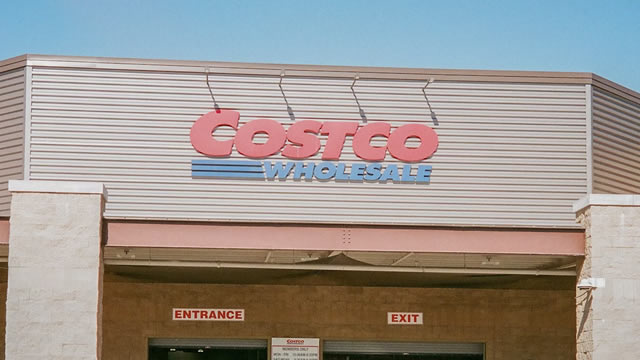
Nine Out of Ten Costco Members Renew: Inside the Metric That Powers a $14B Profit Engine
247Wallst· 2026-02-03 13:41
Core Insights - Costco Wholesale Corp reported a remarkable 92.3% renewal rate in the US and Canada, with a global renewal rate of 89.8% [1] Company Summary - The renewal rates indicate strong customer loyalty and satisfaction, which are critical for Costco's membership-based business model [1] - The high renewal rates may contribute positively to Costco's revenue stability and growth prospects in the future [1]


山姆中国换帅,阿里来的“救火队长”能否挽回会员信任
Mei Ri Jing Ji Xin Wen· 2025-10-29 11:36
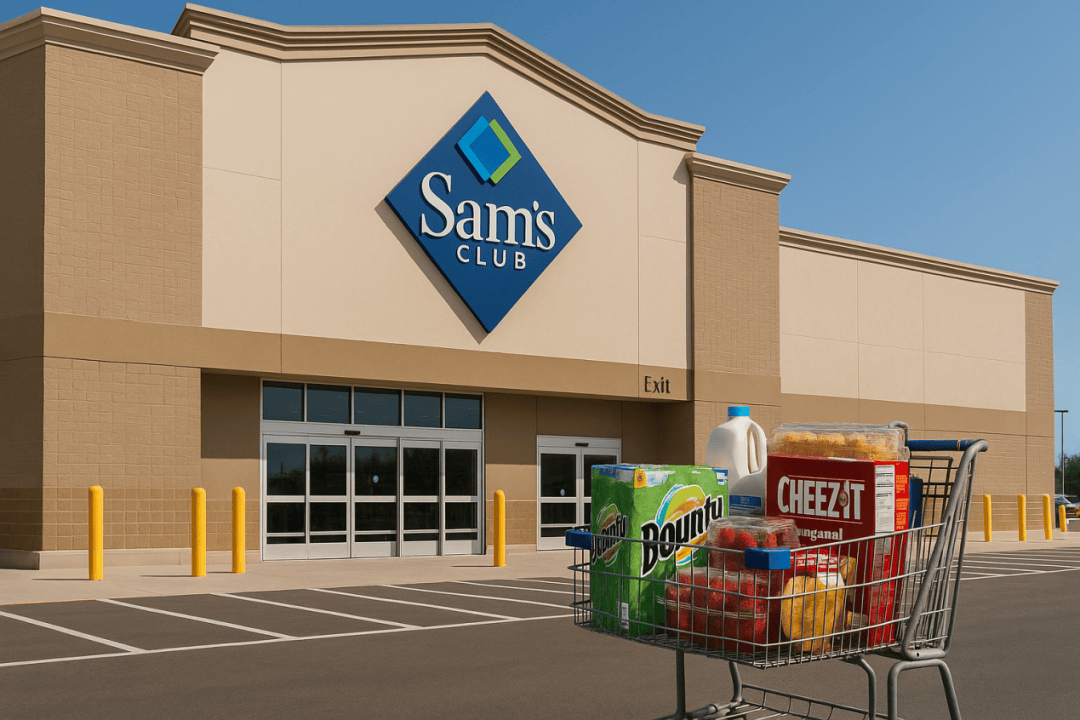
Core Insights - Walmart China has appointed Liu Peng, a former Alibaba executive, as the new president of Sam's Club, which is significant given the company's goal of opening 60 stores in China amidst quality control controversies and membership value concerns [1][2] - Liu Peng's extensive experience in the retail industry, particularly his tenure at Alibaba, positions him well to address the challenges faced by Sam's Club in the Chinese market [1][2] Group 1: Company Developments - Sam's Club has opened nearly 60 stores in China, with membership numbers, renewal rates, and activity levels showing stable growth, while e-commerce now accounts for over 50% of its business [2] - The previous president, Andrew Miles, retired in January, leading to concerns that aggressive cost-cutting strategies may compromise product quality and customer trust [2][3] - Liu Peng's appointment is seen as a strategic decision aimed at revitalizing the brand's focus on value creation through product selection, service, and customer experience [5][6] Group 2: Market Challenges - The retail environment in China is evolving, with consumers becoming more discerning, seeking both value and quality [2][3] - Sam's Club faces competition not only from other membership-based retailers like Costco but also from changing consumer expectations regarding value propositions and trust [4][5] - Liu Peng's leadership will be tested in balancing growth with maintaining the core values of the membership model, which emphasizes selective offerings and unique customer experiences [3][5] Group 3: Strategic Direction - Liu Peng's philosophy of building long-term relationships with customers and brands aligns with Sam's Club's "member first" principle, which is crucial for its future success [2][3] - The company must prove that it is more than just a shopping destination, but a lifestyle choice that resonates with its members [5][6] - The outcome of this strategic shift will determine Sam's Club's fate in the competitive Chinese market [6]


热搜上的山姆骑手,拉下了会员制的遮羞布
2 1 Shi Ji Jing Ji Bao Dao· 2025-10-18 00:10
Core Viewpoint - The recent safety incident involving Sam's Club delivery riders has led to significant public outcry and reconsideration of the company's service quality and ethical responsibilities [2][7][12]. Delivery Safety Concerns - A viral photo showing overloaded delivery vehicles has sparked widespread criticism, with consumers demanding better safety standards for delivery personnel [7][8]. - Many customers are calling for the company to provide more suitable vehicles for delivery, emphasizing that high-quality service should not come at the expense of rider safety [7][12]. Customer Reactions - Long-time members, like the individual referred to as "Xiao Gu," are expressing dissatisfaction and threatening to cancel their memberships if the company does not address these issues [7][8]. - Customers have begun to adjust their ordering habits to help delivery riders manage their workloads, indicating a disconnect between customer expectations and the company's operational practices [8][11]. Delivery Service Structure - Sam's Club offers three delivery service models: "Express Delivery," "City Delivery," and "Global Delivery," with "Express Delivery" relying heavily on individual riders using electric bikes [8][11]. - The compensation structure for delivery riders is based on the number of orders completed, which can lead to increased pressure and unsafe practices when handling large orders [8][14]. Ethical and Operational Issues - The company has outsourced its delivery services to third-party logistics providers, which has led to a lack of accountability for safety and service quality [11][12]. - The current operational model places significant pressure on delivery personnel, with high penalties for mistakes, contributing to high turnover rates among riders [14][15]. Expansion and Business Model - Sam's Club is experiencing rapid expansion in China, with plans to open at least 10 new stores this year, driven by a "front warehouse" model and a "light asset operation" strategy [15][16]. - The company's online sales now account for 55% of total sales, with a significant portion coming from the "Express Delivery" service, raising concerns about the sustainability of this growth model [16][17]. Brand Reputation and Consumer Trust - The brand's reputation is at risk as consumers associate delivery issues directly with Sam's Club, highlighting the importance of maintaining service quality amid rapid expansion [12][16]. - The company appears to be prioritizing growth and cost-cutting over the fundamental principles of service quality and consumer trust, which could lead to long-term consequences for its membership model [16][17].
山姆下架“口碑尖货”上架“大众品牌”,会员价值缩水引质疑
Qi Lu Wan Bao· 2025-07-17 13:44
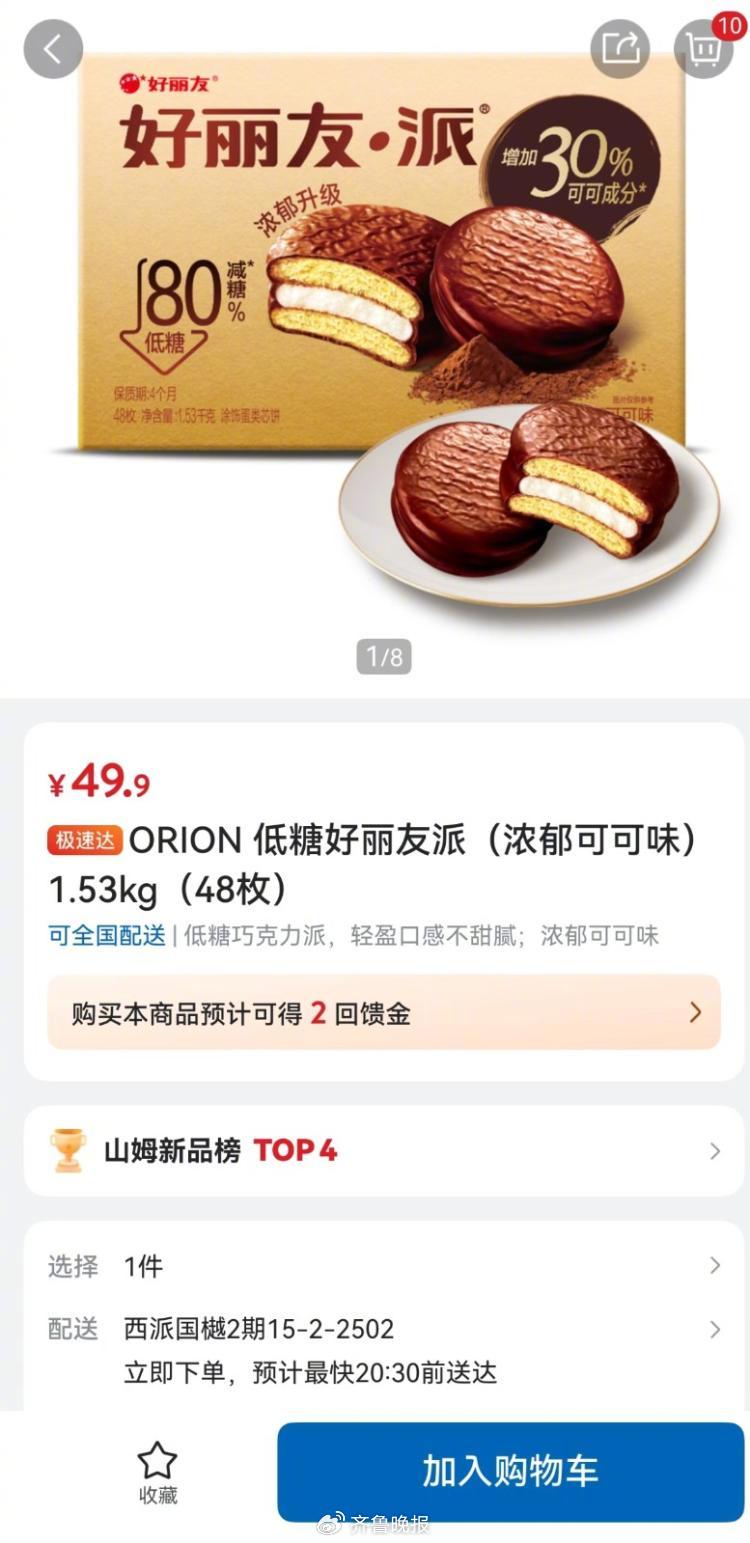
Core Viewpoint - Sam's Club has initiated a silent product replacement campaign, removing several exclusive items and replacing them with more common brands, leading to significant backlash from its membership base [1][4][10] Group 1: Product Changes - Sam's Club has quietly removed popular exclusive products such as Taiwanese-style sun cakes and low-sugar egg yolk pastries, replacing them with widely available brands like Orion and Wei Long [1][4] - The new products, including a low-sugar Orion cake, were marketed as improvements, claiming an 80% reduction in sugar and a 30% increase in cocoa content [6][7] Group 2: Member Reactions - Members expressed dissatisfaction, feeling that the quality of products has declined and that the unique selection that differentiated Sam's Club from regular supermarkets is disappearing [4][10] - Many members have voiced their concerns on social media, leading to a trending topic regarding the perceived decline in product quality and selection [4][10] Group 3: Financial Implications - Sam's Club charges an annual membership fee of 260 yuan for regular members and 680 yuan for premium members, with over 500,000 active members in China contributing to significant annual revenue [9] - The average annual spending required to break even on the membership is now estimated at 13,000 yuan, equating to an additional 5.2% "membership tax" on each purchase [9][10] Group 4: Business Model Concerns - The shift in product selection raises questions about the core value proposition of the membership model, as members expect unique products that cannot be found elsewhere [10] - Industry analysts suggest that maintaining a diverse and high-quality product range is essential for sustaining member loyalty and competitive advantage against e-commerce platforms [10]