
低碳创新

Search documents
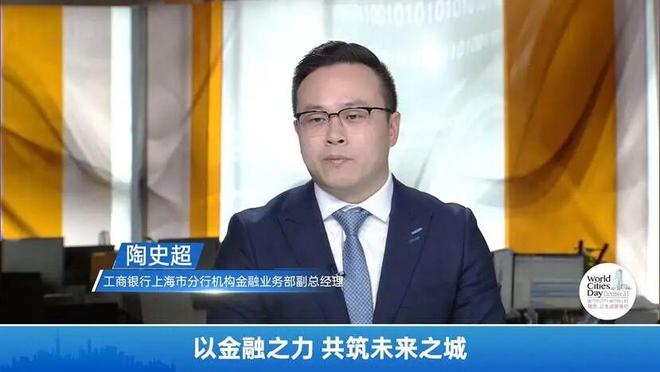
以金融之力,共筑未来之城
Di Yi Cai Jing Zi Xun· 2025-12-12 12:06
Core Viewpoint - The financial sector is becoming a crucial driving force for high-quality urban development, as highlighted during the 2025 Urban Sustainable Development Conference [1]. Group 1: Urban Development Initiatives - The Industrial and Commercial Bank of China (ICBC) Shanghai Branch is actively involved in promoting sustainable urban development through various initiatives [3]. - The bank supports digital city construction, urban renewal, and improvements in people's livelihoods, while also focusing on green finance and low-carbon innovation [3]. Group 2: Future Commitment - ICBC aims to maintain its commitment to serving the public by leveraging smarter technology, innovative products, and high-quality services [3]. - The bank envisions itself as a long-term partner in the evolution of Shanghai, collaborating with the city to create a better future [3].


香精香料行业重塑市场格局
Zhong Guo Hua Gong Bao· 2025-09-05 02:43
Core Insights - The global flavor and fragrance market is expected to grow at a compound annual growth rate (CAGR) of 3% from 2024 to 2029, driven by stable end-user demand in food and beverages, personal care products, and cleaning agents [2] - The market is being reshaped by consumers' increasing focus on sustainability and health, alongside tightening global regulations [2] Group 1: Low-Carbon Innovation - Consumers are increasingly favoring natural, traceable ingredients and clean label solutions, with plant-based functional nutrition and eco-friendly cleaning solutions becoming key growth drivers [3] - Companies like BASF and IFF are responding to the urgent demand for reduced carbon emissions by launching low-carbon product lines and ensuring responsible sourcing through supplier codes of conduct [3][4] - IFF is utilizing agricultural by-products like cocoa shells and citrus peels to lower environmental impact while enhancing product stability, and has developed a platform to address raw material shortages due to climate change [3] Group 2: Digital Technology and Innovation - Artificial intelligence (AI) is accelerating product development in the flavor and fragrance sector, with systems like ScentChat converting consumer feedback into formulation suggestions and reducing development cycles by 40% [5] - BASF emphasizes close collaboration with clients to drive innovation, offering customized solutions and introducing new natural flavor ingredients through a virtual innovation ecosystem [5] Group 3: Regulatory Environment - The regulatory landscape is becoming increasingly stringent, with new standards and classifications emerging that challenge the flavor and fragrance industry [6] - IFF and BASF are actively engaging in policy-making to advocate for scientifically-based risk assessment systems and are implementing traceability systems to comply with new regulations [6] Group 4: ESG and Carbon Management - With the implementation of EU CSRD and other ESG disclosure requirements, flavor and fragrance companies need to establish comprehensive carbon data management systems across their value chains [7] - The integration of digital tools and biomanufacturing technologies may lead to the development of a new generation of "carbon-neutral fragrances," advancing the industry towards zero-carbon goals [7]