低钾血症

Search documents
老人一顿饭吃两馄饨瘦到无力抬头
Xin Lang Cai Jing· 2026-01-21 08:13
Core Viewpoint - The article highlights the health risks associated with extreme dieting in elderly individuals, emphasizing the case of a 72-year-old woman who developed severe hypokalemia due to inadequate nutrition while attempting to lose weight [1] Group 1: Health Risks of Extreme Dieting - A 72-year-old woman in Suzhou experienced severe weakness after intentionally restricting her diet, consuming only two wontons in a meal [1] - The woman was diagnosed with severe hypokalemia, a condition caused by low potassium levels, after being rushed to the hospital [1] - Medical professionals warn that relying solely on dieting for weight loss can lead to electrolyte imbalances and accelerate muscle loss, particularly in older adults [1] Group 2: Recommendations for Healthy Weight Management - Doctors advise that healthy weight loss for the elderly should be based on a balanced diet and moderate physical activity rather than extreme calorie restriction [1]
深夜急救 小伙月减30斤晕厥抽搐
Xin Lang Cai Jing· 2026-01-05 19:46
Core Viewpoint - The article highlights a critical health warning regarding extreme weight loss methods, emphasizing the dangers of rapid weight loss leading to severe health issues such as hypokalemia, which can be life-threatening [1][2]. Group 1: Incident Overview - A young man experienced a medical emergency due to severe hypokalemia after losing 30 pounds in one month through extreme dieting and excessive exercise [2]. - The patient exhibited symptoms including confusion and seizures after taking medication for dental pain, leading to a heart rate of only 50 beats per minute and a potassium level of 2.9 mmol/L, significantly below the normal range [2][3]. Group 2: Health Risks Associated with Rapid Weight Loss - Hypokalemia is linked to rapid weight loss, where potassium levels drop below 3.5 mmol/L, potentially causing serious heart conditions such as bradycardia and cardiac arrest [3]. - Three main causes of hypokalemia related to extreme dieting include inadequate dietary potassium intake, excessive potassium loss through sweat due to intense exercise, and the misuse of diuretics for weight loss [4]. Group 3: Recommendations for Healthy Weight Loss - Healthy weight loss should be gradual, with a recommended pace of 0.5-1 kg per week, and a monthly target of no more than 5-8 kg to avoid muscle and water loss, which can lead to electrolyte imbalances [5]. - It is advised to maintain a balanced diet rich in potassium, avoid excessive exercise in high temperatures, and consult healthcare professionals before using medications [5].
夜间频繁抽筋别忽视,严重者危及生命
Zhong Guo Xin Wen Wang· 2025-10-03 00:48
Core Points - Potassium is an essential electrolyte for the human body, crucial for heart contraction, nerve and muscle function, and metabolism of carbohydrates and proteins [2] - The recommended daily intake of potassium for healthy adults is 2000mg, with a 2023 update suggesting an increase to 3600mg to prevent chronic diseases [3] - Low potassium levels can lead to severe health issues, including muscle weakness, heart rhythm disturbances, and respiratory difficulties [5][6] Group 1: Health Risks of Potassium Deficiency - Symptoms of potassium deficiency include persistent fatigue, muscle cramps, digestive issues, heart palpitations, and breathing difficulties [6][7] - Severe potassium deficiency, defined as blood potassium levels below 3.5mmol/L, can be life-threatening [4] Group 2: High-Risk Populations - Certain groups are at higher risk for potassium deficiency, including those who sweat excessively, the elderly, individuals with high blood pressure, diabetes patients, and those on restrictive diets [8][9] Group 3: Potassium Supplementation - The preferred method for potassium supplementation is through dietary sources, with recommendations for high-potassium foods such as vegetables, fruits, legumes, nuts, and tubers [9] - Caution is advised against blind potassium supplementation, especially for individuals with renal impairment, as it may lead to hyperkalemia [10]
天热狂喝水反而更手脚发软?可能是患上了这种病症
Qi Lu Wan Bao· 2025-09-01 01:17
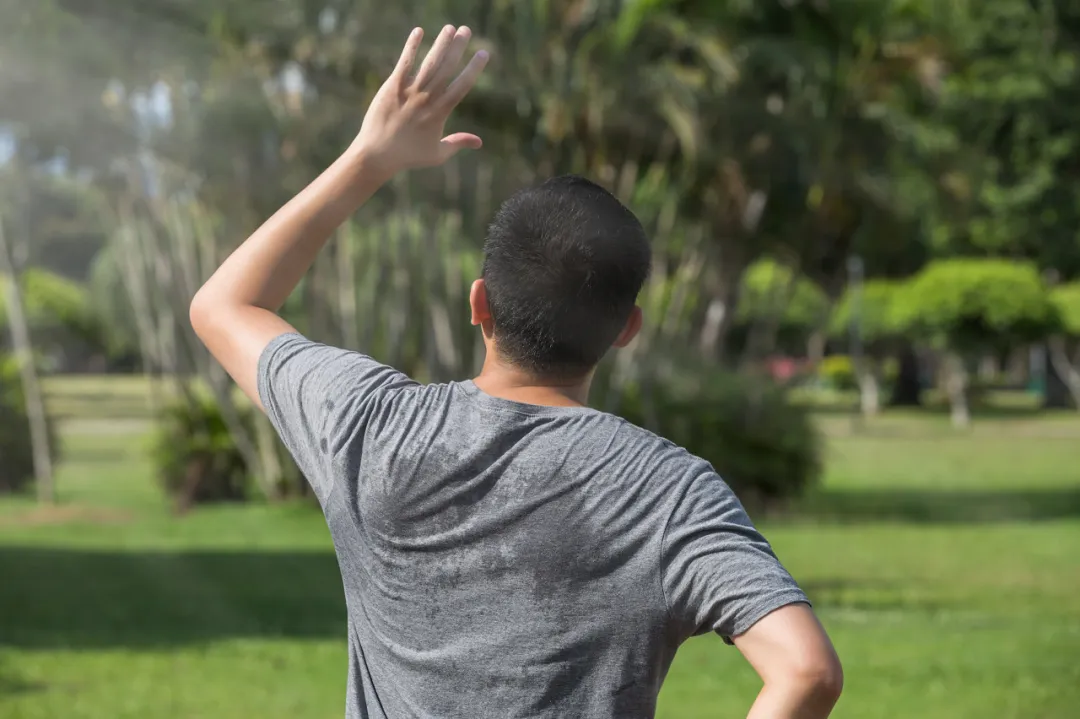
Core Points - The article emphasizes the importance of potassium in the body and the risks associated with low potassium levels, especially during hot weather and excessive sweating [3][4][5] - It highlights that simply drinking water after sweating may not be sufficient to replenish lost electrolytes, particularly potassium [5][6] Group 1: Importance of Potassium - Potassium is essential for maintaining cellular function, muscle contraction, and heart health, with normal blood potassium levels ranging from 3.5 to 5.5 mmol/L [3][4] - Low potassium levels can lead to serious health issues, including muscle weakness, heart rhythm disturbances, and in severe cases, life-threatening conditions [4][6] Group 2: Causes and Risks of Low Potassium - Excessive sweating, especially in high-temperature environments or during prolonged physical activity, can lead to significant potassium loss [4][5] - High-risk groups for low potassium include the elderly, children, and individuals with chronic illnesses or those taking diuretics [6][7] Group 3: Prevention Strategies - To prevent low potassium levels, it is crucial to consume electrolyte-rich beverages and potassium-rich foods such as bananas, oranges, and spinach, especially after sweating [5][7] - Monitoring for early signs of low potassium, such as fatigue and muscle cramps, is important for timely medical intervention [6][7]