钾元素

Search documents
这些常见水果不仅能补充营养 还可以帮助控制血压水平
Yang Shi Xin Wen· 2025-12-04 17:44
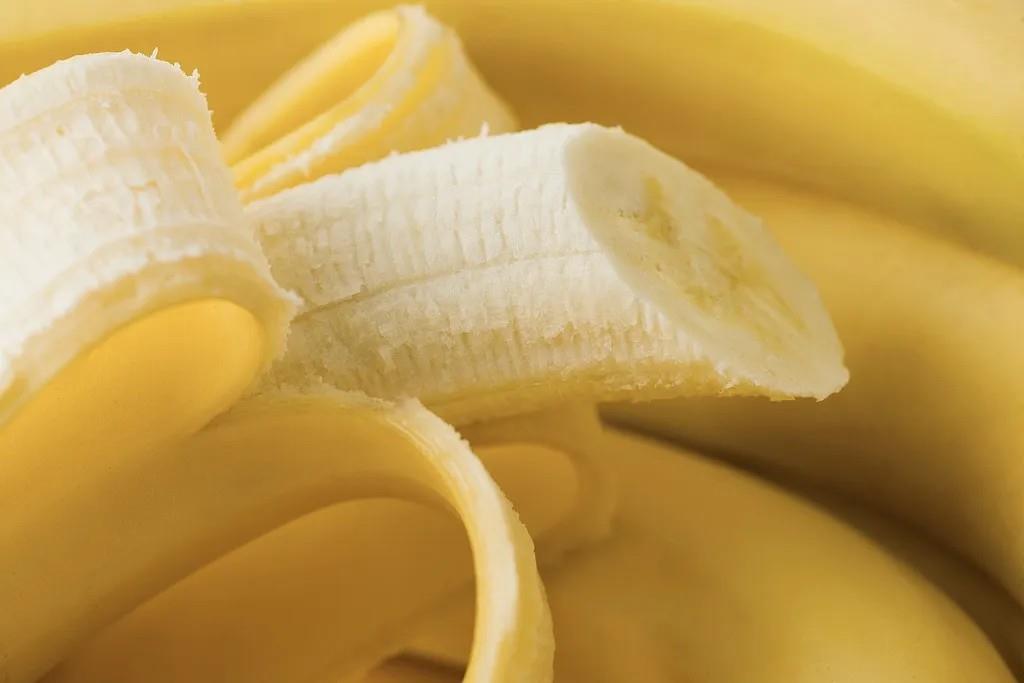
Core Insights - Increasing fruit consumption is a contemporary health consensus, particularly apples and bananas, which can help control blood pressure levels [1][3] Group 1: Research Findings - A study found that hypertensive patients who consume bananas or apples 3 to 6 times a week have a 24% to 40% lower all-cause mortality rate; this rate drops to 43% when both fruits are consumed at the same frequency [3] - Other fruits like pears, pineapples, or grapes did not show a significant association with all-cause mortality in hypertensive patients [3] Group 2: Nutritional Benefits - Bananas are rich in potassium, containing 256 mg per 100 grams, which is more than double that of grapes (127 mg) and pineapples (113 mg), and three times that of snow pears (85 mg) [4] - Apples contain flavonoids, particularly in the skin (543.9 to 1227.9 mg/kg) and flesh (78.2 to 472.9 mg/kg), which can lower blood pressure and cholesterol levels [6] Group 3: Alternative Options - Berries, which are also high in flavonoids, can provide similar blood pressure-lowering effects; for instance, blackberries contain 13 to 19 mg of flavonoids per 100 grams [7] - Besides flavonoids, berries contain various bioactive compounds like anthocyanins and resveratrol, which have antioxidant effects and can help regulate blood pressure [10]

天热狂喝水反而更手脚发软?可能是患上了这种病症
Qi Lu Wan Bao· 2025-09-01 01:17
Core Points - The article emphasizes the importance of potassium in the body and the risks associated with low potassium levels, especially during hot weather and excessive sweating [3][4][5] - It highlights that simply drinking water after sweating may not be sufficient to replenish lost electrolytes, particularly potassium [5][6] Group 1: Importance of Potassium - Potassium is essential for maintaining cellular function, muscle contraction, and heart health, with normal blood potassium levels ranging from 3.5 to 5.5 mmol/L [3][4] - Low potassium levels can lead to serious health issues, including muscle weakness, heart rhythm disturbances, and in severe cases, life-threatening conditions [4][6] Group 2: Causes and Risks of Low Potassium - Excessive sweating, especially in high-temperature environments or during prolonged physical activity, can lead to significant potassium loss [4][5] - High-risk groups for low potassium include the elderly, children, and individuals with chronic illnesses or those taking diuretics [6][7] Group 3: Prevention Strategies - To prevent low potassium levels, it is crucial to consume electrolyte-rich beverages and potassium-rich foods such as bananas, oranges, and spinach, especially after sweating [5][7] - Monitoring for early signs of low potassium, such as fatigue and muscle cramps, is important for timely medical intervention [6][7]