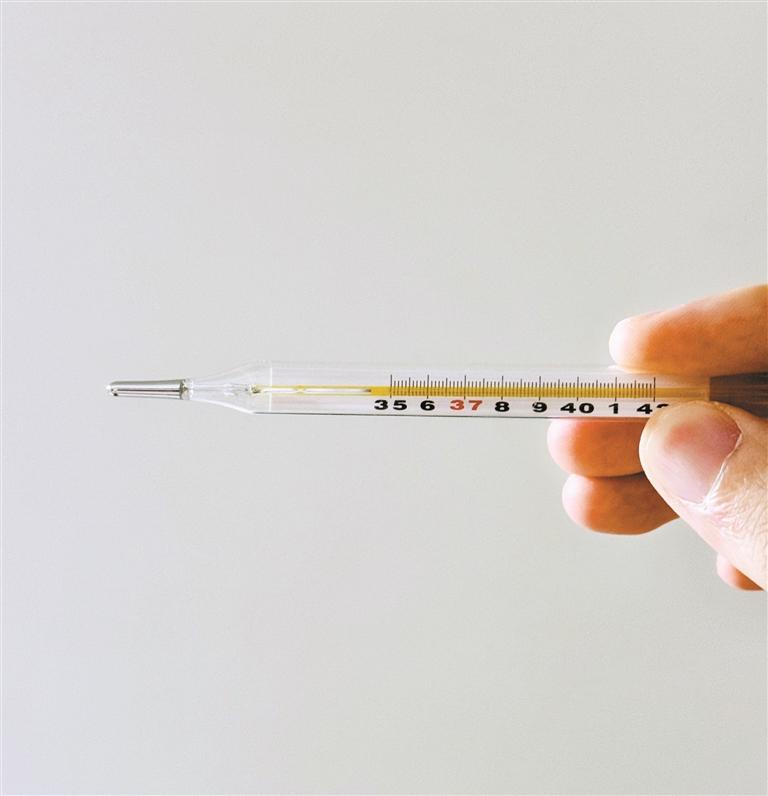
体温计禁产替代

Search documents
水银体温计禁产令生效进入倒计时 “有顾客一开口就要买十几支”
Shen Zhen Shang Bao· 2025-12-13 20:54
Core Viewpoint - The production of mercury thermometers and blood pressure monitors will be banned in China starting January 1, 2026, due to health risks associated with mercury exposure, leading to a surge in demand for these products ahead of the ban [4][6][9]. Group 1: Market Reaction - There has been a significant increase in sales of mercury thermometers, with reports of sales rising tenfold in some pharmacies [7][8]. - Pharmacies are experiencing stock shortages, with some locations completely out of mercury thermometers and waiting for restocks [7][9]. - Despite the increased demand, pharmacy staff have assured customers that prices will not rise [7]. Group 2: Health and Safety Concerns - Mercury thermometers, while affordable and accurate, pose serious health risks, including mercury poisoning, especially for vulnerable populations like children and pregnant women [5][6]. - A standard mercury thermometer contains about 1 to 2 grams of mercury, which can significantly increase indoor mercury levels if broken [5]. Group 3: Regulatory Background - China is a signatory to the Minamata Convention on Mercury, which aims to control and reduce mercury emissions globally, leading to the upcoming ban on mercury-containing products [6][9]. - The ban reflects a broader commitment to public health and environmental safety, as the country has been preparing for this transition for several years [9]. Group 4: Alternatives to Mercury Thermometers - Various non-mercury alternatives, such as electronic thermometers and infrared ear thermometers, are already available and becoming more prevalent in pharmacies [9][10]. - Non-mercury glass thermometers using gallium-based liquid alloys are also being introduced, although their availability in stores is currently limited [10]. - Manufacturers predict that once mercury thermometers are fully phased out, the production of non-mercury thermometers will increase, potentially lowering their prices to around 10 yuan [11].