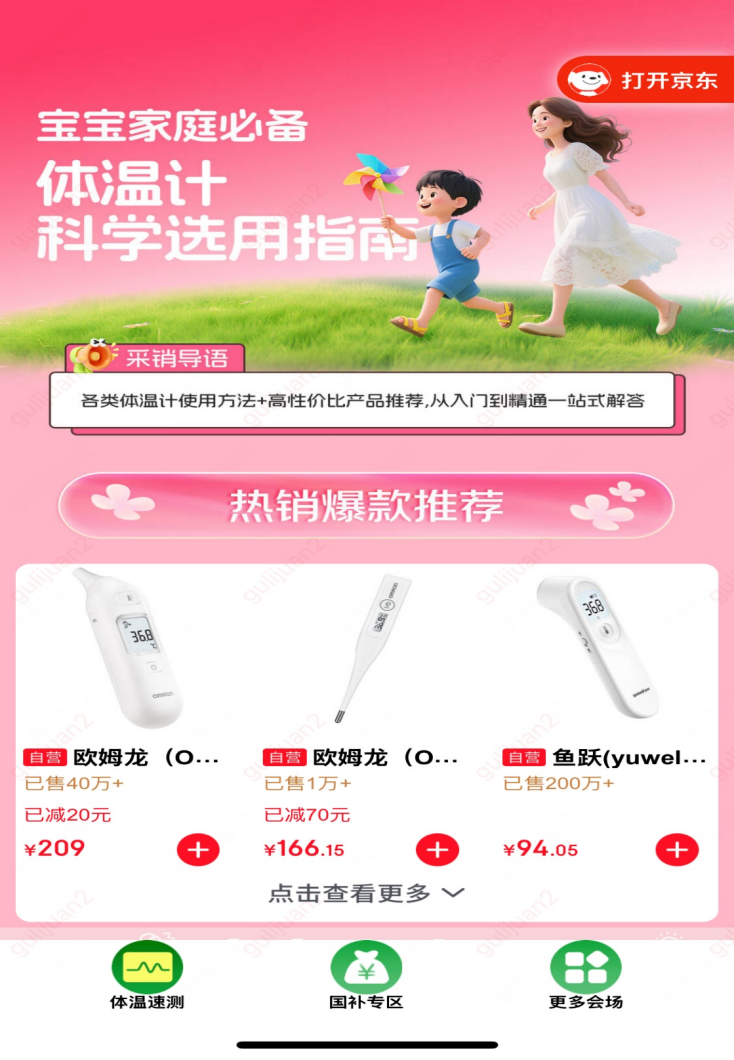
无汞玻璃体温计

Search documents
水银体温计药店普遍存货不多
Qi Lu Wan Bao· 2026-01-07 00:05
Core Viewpoint - The production ban on mercury thermometers and related mercury-containing medical devices will take effect on January 1, 2026, leading to a shift in consumer preferences towards alternative thermometer options [1][2]. Group 1: Market Situation - As of January 4, 2026, local pharmacies in Jinan are experiencing a limited supply of mercury thermometers, with prices slightly increasing but not significantly [1]. - Various types of thermometers are available, including electronic thermometers priced between 22.2 yuan and 48 yuan, and a popular non-mercury glass thermometer priced at 19.8 yuan, which is gaining traction among consumers [1][2]. - The most common mercury thermometer has recently faced stock shortages, with only a few remaining in local pharmacies [1]. Group 2: Consumer Preferences - Many consumers, like Ms. Zhang, express skepticism about the accuracy of electronic thermometers, leading to a preference for mercury thermometers, although they are now sold out [2]. - Healthcare professionals, such as nurses, indicate that both ear thermometers and mercury thermometers are still in use, with no clear directive to eliminate mercury thermometers entirely [2]. - The recommendation for consumers is to choose thermometers based on their specific needs, with mercury thermometers suggested for accuracy in safe environments, while electronic thermometers are recommended for convenience, especially in households with children or elderly individuals [2].
水银温度计停产在即,替代产品早已布局
Qi Lu Wan Bao· 2025-12-17 09:30
Core Viewpoint - Starting from 2026, China will prohibit the production of mercury thermometers and blood pressure monitors, leading to a surge in sales of existing mercury thermometers as consumers rush to stock up before the ban takes effect [1] Group 1: Market Response - The sales of mercury thermometers have increased significantly, with reports of some stores running out of stock and consumers purchasing multiple units [1][2] - Online prices for mercury thermometers have risen, with most now priced above 12 yuan, and some stores reporting a tenfold increase in weekly sales [2] - The market for non-mercury glass thermometers and electronic thermometers is also seeing increased demand, with some products already sold out [2] Group 2: Consumer Preferences - Many consumers express a preference for mercury thermometers due to perceived accuracy compared to electronic thermometers, which are often seen as less reliable [3] - A survey of various thermometers showed that while mercury thermometers generally recorded higher temperatures, non-mercury glass and electronic thermometers provided similar readings [4][5] Group 3: Industry Trends - The non-mercury thermometer market in China has been developing for nearly 20 years, with a market size of 2.5 billion yuan in 2019, accounting for over 50% of the global market [5] - Despite a 217% year-on-year increase in non-mercury thermometer production expected by 2025, market share remains below 30%, indicating room for growth [6] - The industry is projected to maintain a compound annual growth rate of over 8% in the coming years, with smart electronic thermometers growing at a rate of 30% annually [6]
水银体温计为何退场 谁来“接棒”?一文读懂→
Yang Shi Xin Wen· 2025-12-16 21:28
Core Viewpoint - Starting January 1, 2024, China will completely ban the production of mercury-containing thermometers and sphygmomanometers, marking the end of traditional mercury thermometers in households [1][8]. Group 1: Consumer Behavior - There has been a noticeable increase in the sales of mercury thermometers in pharmacies and online platforms as consumers rush to stock up before the ban [1][3]. - In Shanghai, a pharmacy reported that mercury thermometers were sold out and awaiting restock, while in Nanning, consumers were buying multiple units due to concerns about future availability [3][5]. - The price of a large mercury thermometer is approximately 15 yuan, and some consumers are reluctant to switch to other types due to their long-standing habit of using mercury thermometers [5][7]. Group 2: Health and Environmental Concerns - Mercury is a highly toxic and non-degradable metal that poses significant health risks, including damage to the nervous system and environmental pollution through bioaccumulation [8]. - A standard mercury thermometer contains about 1 to 2 grams of mercury, which can quickly evaporate and contaminate indoor air if broken [8]. Group 3: Alternatives to Mercury Thermometers - After the ban, consumers can choose from non-mercury glass thermometers and electronic thermometers, which are available in various forms such as ear thermometers and forehead thermometers [12]. - Medical professionals recommend selecting electronic thermometers based on the user’s needs, with specific types suggested for infants, children, and the elderly [12][16]. - To ensure accuracy, consumers should look for medical device registration numbers when purchasing electronic thermometers [14].

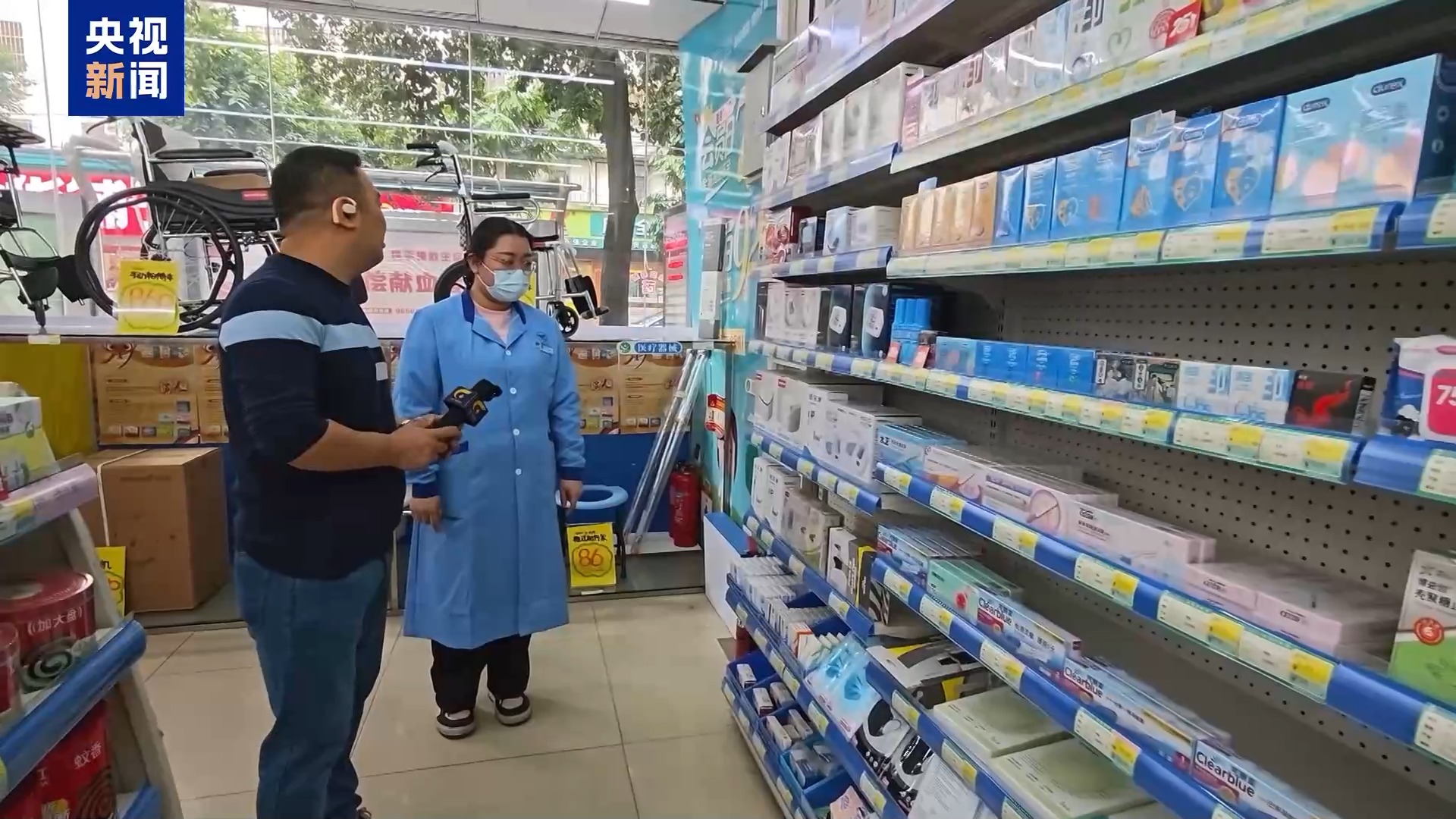
为什么我们“舍不得”水银体温计?
吴晓波频道· 2025-12-15 00:21
Core Viewpoint - The article discusses the impending ban on mercury thermometers in China, effective January 1, 2026, due to safety concerns, leading to a surge in demand and prices for these products as consumers rush to purchase them before they become unavailable [3][12][27]. Market Reaction - Following the announcement, major e-commerce platforms experienced a shortage of mercury thermometers, with some stores reporting a weekly sales increase of several times [5][6]. - Social media discussions around the rush to buy mercury thermometers have intensified, with many users sharing images of bulk purchases [7][8]. Reasons for Stockpiling - Consumers are stockpiling mercury thermometers for three main reasons: 1. They are known for their accuracy and low price [13]. 2. Alternatives, such as non-mercury thermometers, have been criticized for poor performance [13]. 3. Electronic thermometers are often expensive and perceived as inaccurate [13]. Safety Concerns - Mercury thermometers pose significant safety risks due to their fragility and the toxic nature of mercury. If broken, they can release 0.5 to 1 gram of mercury, which can vaporize and create hazardous conditions [17][20]. - The article highlights the lack of public awareness regarding the dangers of mercury exposure and the proper handling of spills [20][21]. Regulatory Context - The ban on mercury thermometers aligns with international efforts to reduce mercury pollution, as seen in the Minamata Convention, which China ratified in 2016 [23][27]. - The article notes that other regions, such as Europe, have already implemented similar bans, indicating a global trend towards phasing out mercury-containing products [27]. Challenges in Finding Alternatives - The market has attempted to replace mercury thermometers with non-mercury glass thermometers and electronic thermometers, but both alternatives have significant drawbacks [29][30]. - Non-mercury glass thermometers often have slow response times due to the physical properties of the replacement materials, while electronic thermometers can be costly and less reliable [31][32]. Broader Market Trends - The article suggests that the phase-out of mercury thermometers is part of a larger trend of upgrading standards across various consumer products, driven by safety, environmental, and health considerations [36][40]. - New regulations are being introduced in multiple sectors, including electric bicycles and household appliances, which aim to enhance safety and sustainability [36][40][41]. Opportunities for Innovation - The transition away from mercury thermometers presents opportunities for innovation in product design and technology, as companies seek to meet new safety standards while addressing consumer needs [44].
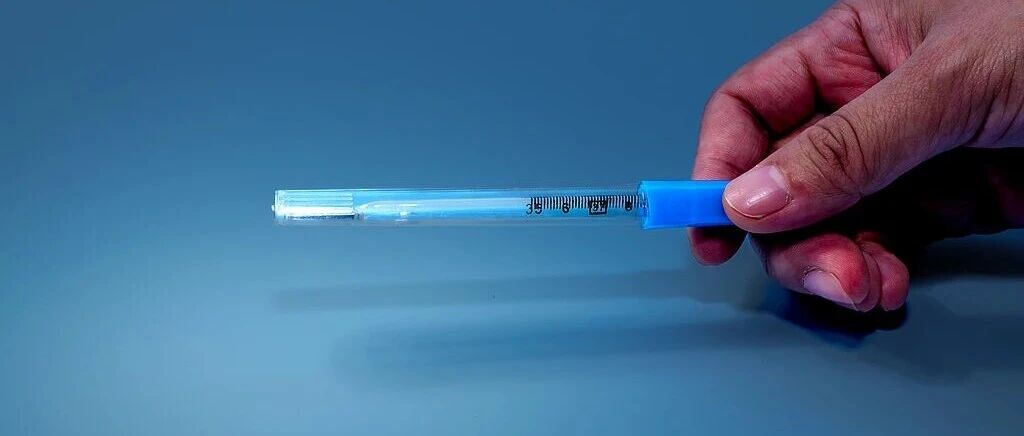
水银体温计禁产令生效进入倒计时 “有顾客一开口就要买十几支”
Shen Zhen Shang Bao· 2025-12-13 20:54
Core Viewpoint - The production of mercury thermometers and blood pressure monitors will be banned in China starting January 1, 2026, due to health risks associated with mercury exposure, leading to a surge in demand for these products ahead of the ban [4][6][9]. Group 1: Market Reaction - There has been a significant increase in sales of mercury thermometers, with reports of sales rising tenfold in some pharmacies [7][8]. - Pharmacies are experiencing stock shortages, with some locations completely out of mercury thermometers and waiting for restocks [7][9]. - Despite the increased demand, pharmacy staff have assured customers that prices will not rise [7]. Group 2: Health and Safety Concerns - Mercury thermometers, while affordable and accurate, pose serious health risks, including mercury poisoning, especially for vulnerable populations like children and pregnant women [5][6]. - A standard mercury thermometer contains about 1 to 2 grams of mercury, which can significantly increase indoor mercury levels if broken [5]. Group 3: Regulatory Background - China is a signatory to the Minamata Convention on Mercury, which aims to control and reduce mercury emissions globally, leading to the upcoming ban on mercury-containing products [6][9]. - The ban reflects a broader commitment to public health and environmental safety, as the country has been preparing for this transition for several years [9]. Group 4: Alternatives to Mercury Thermometers - Various non-mercury alternatives, such as electronic thermometers and infrared ear thermometers, are already available and becoming more prevalent in pharmacies [9][10]. - Non-mercury glass thermometers using gallium-based liquid alloys are also being introduced, although their availability in stores is currently limited [10]. - Manufacturers predict that once mercury thermometers are fully phased out, the production of non-mercury thermometers will increase, potentially lowering their prices to around 10 yuan [11].
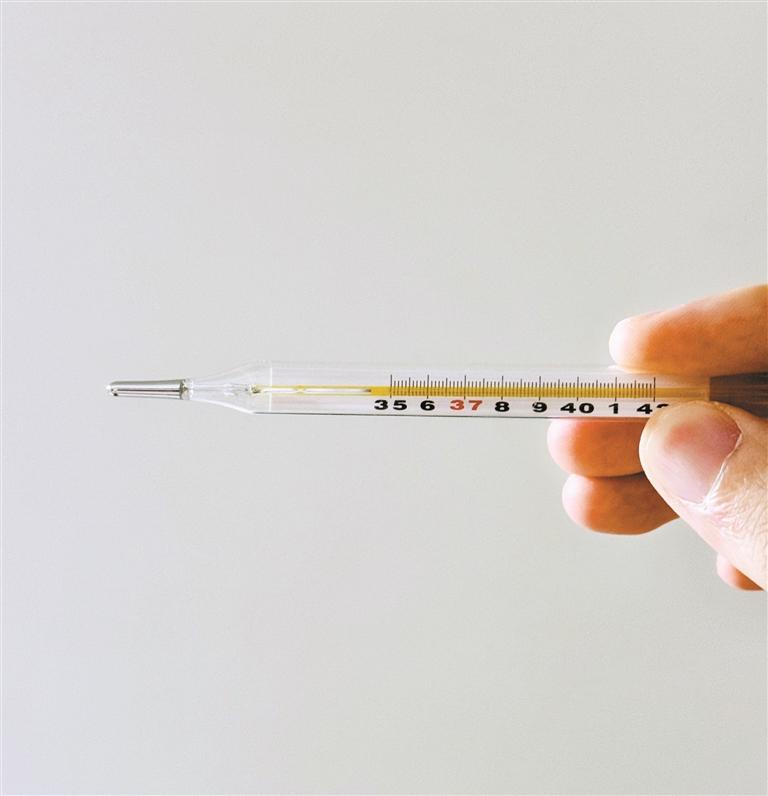
水银体温计禁产前夕:99元一支背后的市场狂欢与理性反思
Sou Hu Cai Jing· 2025-12-13 19:53
Core Viewpoint - The impending ban on mercury thermometers by January 1, 2026, has triggered a market frenzy, with prices skyrocketing and shortages occurring, reflecting public anxiety over health safety and reliance on traditional medical tools [1][3]. Online Market - E-commerce platforms have seen a dramatic price surge for mercury thermometers, with basic models increasing from 4-10 yuan to 17-33 yuan, and some retailers offering bundles at prices exceeding 20 yuan per unit [3] - Reports indicate that some stores have run out of stock, with one shop stating they might not restock, while another experienced a surge of 3,000 orders in a single day [3]. Offline Market - Physical pharmacies are facing inventory shortages, with many stores having fewer than 10 units available, and prices rising from a few yuan to over 10 yuan [3] - The combination of the ban announcement and a flu outbreak has driven demand, but manufacturers have ceased production, complicating restocking efforts [3]. International Regulations - The ban on mercury thermometers is a result of China's commitment to the Minamata Convention on Mercury, which mandates the prohibition of mercury-containing thermometers and sphygmomanometers starting January 1, 2026 [5]. - The National Medical Products Administration has set a deadline for the validity of medical device registration certificates, emphasizing the urgency of transitioning away from mercury products [5]. Toxicity of Mercury - Mercury is a hazardous substance that can cause severe health issues, including neurological damage and developmental problems in children and fetuses [6]. - A standard mercury thermometer contains about 1 gram of mercury, which can significantly increase indoor mercury levels if broken, posing a global health threat [6]. Rise of Alternative Technologies - The market is witnessing a shift towards electronic and non-mercury thermometers, driven by both policy and technological advancements [7]. - Despite the availability of electronic thermometers with strict accuracy standards, some consumers still prefer mercury thermometers due to perceptions of precision and reliability [7]. - Retailers are exploiting the situation by creating urgency through marketing tactics, leading to inflated prices and misinformation [7]. Supply Chain Disruptions - Domestic production of mercury thermometers has halted, with remaining stock primarily being sold off [8]. - The transportation of mercury thermometers is complicated by regulatory requirements, leading to increased costs and limited availability in remote areas [8]. Consumer Behavior - Consumers are encouraged to move away from reliance on traditional mercury thermometers and adopt safer, scientifically validated alternatives [9]. - Recommendations include using electronic thermometers for home use and infrared devices for public screenings, emphasizing safety and efficiency [9]. Retailer Responsibilities - Retailers are urged to comply with medical device regulations and avoid practices that could mislead consumers or inflate prices [10]. - Regulatory bodies are called to enhance oversight to ensure fair market practices and protect consumer interests [10]. Policy Recommendations - The government is advised to develop a comprehensive strategy for transitioning to alternative measurement devices, ensuring accessibility for all demographics [11]. - Establishing a recycling and safe disposal system for mercury thermometers is crucial to mitigate environmental impacts [11]. Alternative Products - Electronic thermometers dominate the market, accounting for over 70% of sales, with prices ranging from 10-20 yuan [12]. - Non-mercury glass thermometers and infrared devices are also available, though their market share remains limited [12].
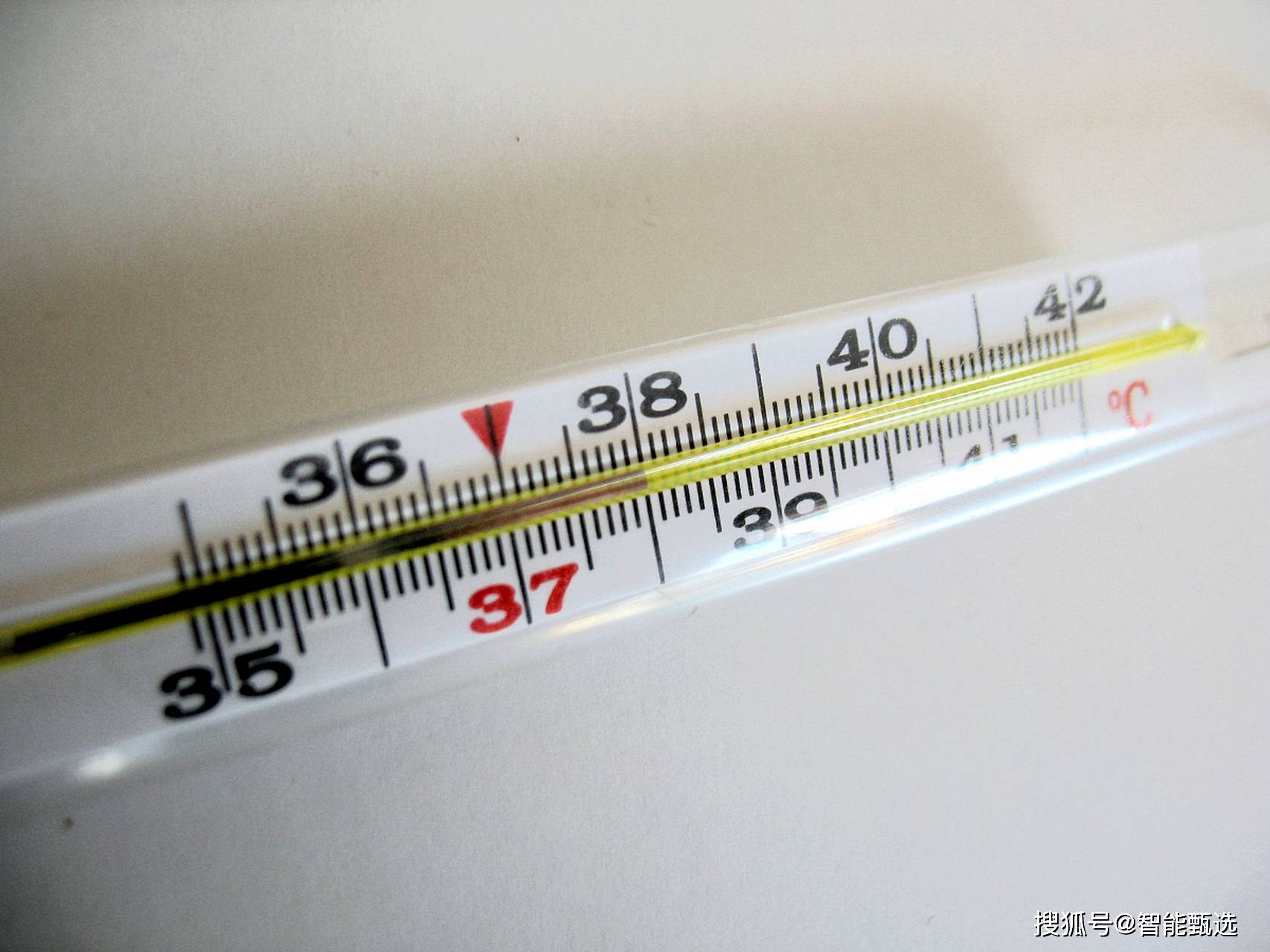
销量飙涨,多家门店卖断货,价格翻倍!水银温度计即将停产
2 1 Shi Ji Jing Ji Bao Dao· 2025-12-12 01:14
Core Viewpoint - The market for mercury thermometers is experiencing a surge in demand due to the upcoming ban on their production starting January 1, 2026, as part of China's commitment to the Minamata Convention on Mercury, leading to a stockpiling trend among consumers [2][11]. Group 1: Market Dynamics - Many consumers are purchasing multiple mercury thermometers at once, with reports of individuals buying four to five units per visit [2][12]. - The price of mercury thermometers has increased significantly, with some products now selling for 15 to 20 yuan each, compared to a normal price of around 6 yuan [12]. - Several pharmacies have reported that their stocks of mercury thermometers are running low or have sold out entirely [1][12]. Group 2: Regulatory Background - The ban on mercury thermometers is part of a broader global initiative to phase out hazardous materials, with many countries having already implemented similar bans [8]. - The Minamata Convention on Mercury, which took effect in China in 2017, mandates the prohibition of the production of mercury-containing thermometers and sphygmomanometers by 2026 [8][11]. Group 3: Safety Concerns - Mercury is highly toxic and poses significant health risks, including acute poisoning symptoms and long-term neurological damage [8]. - The environmental impact of mercury is also a concern, as it can accumulate in the food chain and disrupt ecological balance [8]. Group 4: Alternatives and Trends - Alternatives to mercury thermometers, such as non-mercury glass thermometers, electronic thermometers, ear thermometers, and forehead thermometers, are gaining popularity [13]. - Recent data indicates that sales of electronic thermometers have increased by over 100% year-on-year, reflecting a shift towards safer and more advanced monitoring solutions [13][14]. - The ear thermometer is noted for its accuracy in measuring core body temperature and is becoming a preferred choice in many medical settings [14].
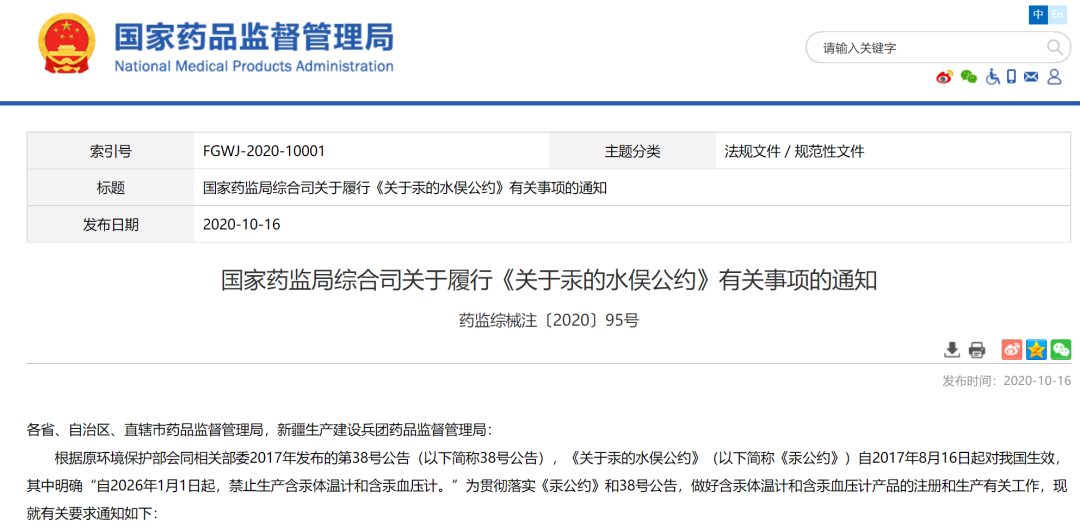
水银体温计2026年起禁产:囤货潮席卷,有产品涨至20元/支
2 1 Shi Ji Jing Ji Bao Dao· 2025-12-12 01:13
Core Viewpoint - The market for mercury thermometers is experiencing a surge in demand due to the upcoming ban on their production starting January 1, 2026, as part of China's commitment to the Minamata Convention on Mercury, leading to public nostalgia and stockpiling behavior [1][5][6] Group 1: Market Dynamics - There has been a noticeable increase in the purchase of mercury thermometers, with individuals buying multiple units at a time, reflecting a stockpiling trend [1][2] - The price of mercury thermometers has significantly increased, with reports of prices rising from around 6 yuan to as high as 20 yuan per unit on e-commerce platforms [7] Group 2: Health and Safety Concerns - Mercury, the core component of these thermometers, poses serious health risks, including acute poisoning and long-term neurological damage, leading to their prohibition in many countries [3][4] - The environmental impact of mercury is also a concern, as it can accumulate in the food chain and disrupt ecological balance [3][4] Group 3: Transition to Alternatives - Various alternatives to mercury thermometers are available, including non-mercury glass thermometers, electronic thermometers, ear thermometers, and forehead thermometers, which are gaining popularity [8][10] - The sales of electronic thermometers have seen a significant increase, with a reported growth of over 100% in the past week, indicating a shift towards safer and smarter health monitoring solutions [8][10] Group 4: Institutional Response - Different medical institutions are at varying stages of transitioning away from mercury thermometers, with some still relying on them while others have already adopted alternatives [2][6] - Education on the safe handling and disposal of mercury thermometers is essential as they remain in use during the transition period [7][10]

水银体温计将成历史,京东健康电子体温计品类成交同比增长100%以上
Zhong Jin Zai Xian· 2025-12-11 13:16
Core Insights - The National Medical Products Administration announced a complete ban on the production of mercury thermometers and sphygmomanometers starting January 1, 2026, leading to a significant market response [1] - The transition from mercury-based devices has been planned since China joined the Minamata Convention on Mercury in 2017, with a clear roadmap for phasing out these products [1] - The sales of electronic thermometers and blood pressure monitors have surged, with electronic thermometer sales increasing over 100% year-on-year and electronic blood pressure monitors up by 50% [1] Market Trends - The search volume for thermometers on JD Health has significantly increased in the past week, indicating a shift in consumer behavior towards safer and smarter home monitoring solutions [1] - Among the alternatives to mercury thermometers, non-mercury glass thermometers, ear thermometers, and forehead thermometers have emerged as the three main categories [1] - Non-mercury glass thermometers cater to traditional users who prioritize safety and cost-effectiveness, while multifunctional ear thermometers are favored by families with infants for their quick measurement capabilities [1] - Forehead thermometers are preferred for their non-contact and high-efficiency features, appealing to users focused on convenience and public health scenarios [1] Product Innovations - Omron launched a new ear thermometer on JD Health, featuring a no-ear-cap design, 1-second measurement, and high fever alerts, quickly gaining market attention [2] - JD Health offers services such as 211 same-day delivery and a 180-day exchange policy for electronic thermometers, addressing consumer needs during peak flu seasons [2] - The policy-driven upgrade trend in health monitoring devices reflects an increase in public health awareness and indicates a shift towards more professional and intelligent home health monitoring solutions [2] - JD Health aims to leverage data insights, product supply, and service innovation to support the development of a more secure and intelligent family health management ecosystem [2]

水银体温计退场带动家用健康监测品类升级,京东健康:电子体温计成交同比翻倍
Jin Rong Jie Zi Xun· 2025-12-11 10:27
Core Insights - The National Medical Products Administration announced a ban on the production of mercury thermometers and sphygmomanometers starting January 1, 2026, leading to a significant increase in demand for alternative health monitoring devices [1][4] - The market has seen a surge in electronic thermometer sales, with a year-on-year increase of over 100%, and electronic blood pressure monitors growing by 50% [1] - The transition away from mercury devices has been planned since China joined the Minamata Convention on Mercury in 2017, allowing for a gradual phase-out and providing consumers with ample time to adapt [1] Market Trends - The search volume for thermometers on JD Health has surged, indicating a shift towards safer and smarter home monitoring solutions [1] - Among the alternatives to mercury thermometers, non-mercury glass thermometers, ear thermometers, and forehead thermometers have emerged as the three main categories [1] - Non-mercury glass thermometers cater to traditional users who prioritize safety and cost-effectiveness, while multifunctional ear thermometers are favored by families with infants for their quick measurement capabilities [1] Product Launches and Services - Omron's new ear thermometer was launched on JD Health, featuring a no-ear-cap design, 1-second measurement, and high fever alerts, quickly gaining market attention [2] - JD Health offers various services for electronic thermometers, including same-day delivery and a 180-day exchange policy for PLUS members, addressing consumer needs during flu season [2] Industry Outlook - The policy-driven upgrade in health monitoring devices reflects an increase in public health awareness and indicates a trend towards professional and intelligent home health monitoring solutions [4] - JD Health is positioned as a key player in observing health consumption trends and aims to enhance the ecosystem of home health management through data insights and service innovations [4]