
水银体温计

Search documents
水银体温计禁产令生效 电子体温计成主流
Xin Lang Cai Jing· 2026-01-11 22:25
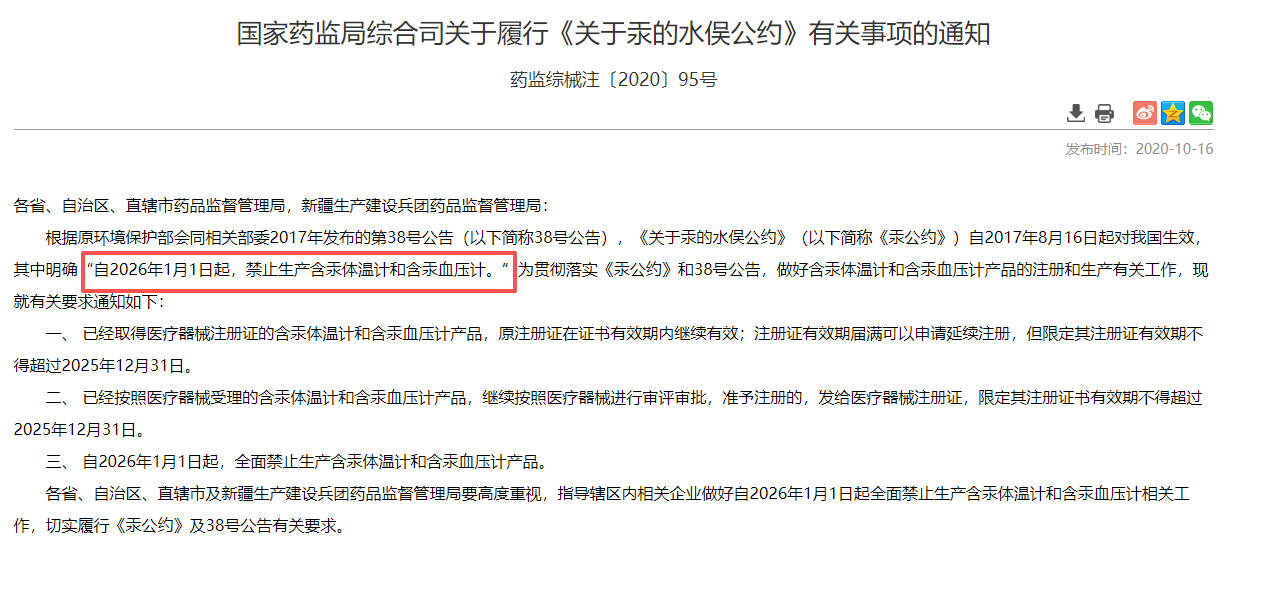
Core Viewpoint - The production of mercury thermometers and blood pressure monitors will be completely banned in China starting January 1, 2026, in compliance with national regulations aimed at reducing environmental and health risks associated with mercury [1][2]. Group 1: Market Response - The price of mercury thermometers currently ranges from 6 to 8 yuan, while electronic thermometers and infrared forehead thermometers are priced from tens to hundreds of yuan [1]. - Many pharmacies have shifted to selling electronic measuring products, with only a few still having limited stock of mercury thermometers [1]. - Following the announcement of the ban, there has been a surge in demand for remaining mercury thermometers, with some stores reporting rapid sales of their inventory [1]. Group 2: Consumer Attitudes - Consumer opinions on the transition from mercury to electronic thermometers vary, with some parents trusting mercury thermometers for their accuracy, while others prefer electronic options for safety and convenience [2]. - Concerns about the toxicity of mercury and the potential for environmental contamination have driven the decision to phase out mercury thermometers [2]. Group 3: Regulatory Background - The ban on mercury thermometers is part of China's commitment to the Minamata Convention on Mercury, which addresses the health and environmental risks posed by mercury [2]. - The National Medical Products Administration issued a notification in October 2020, clearly stating the prohibition of manufacturing mercury thermometers and blood pressure monitors starting in 2026 [2].
水银体温计退场 准备好迎接电子测温了吗
He Nan Ri Bao· 2026-01-07 23:13
Core Viewpoint - The production of mercury thermometers will officially cease on January 1, 2026, due to safety and environmental concerns, marking a significant shift in the healthcare industry towards safer alternatives like electronic thermometers and ear thermometers [3]. Group 1: Market Transition - The market is transitioning away from mercury thermometers, with pharmacies already removing them from shelves. For instance, a pharmacy in Zhengzhou reported that they sold out of mercury thermometers over two weeks ago, while another still had a few remaining, which have seen price increases due to limited supply [3][4]. - A wholesale dealer noted that as manufacturers stop production, the remaining stock is becoming scarce, leading to inevitable price hikes [3]. Group 2: Hospital Adaptation - Hospitals are also adapting to the change, with many departments, such as the pediatric emergency department, having fully switched to electronic thermometers. These devices are preferred for their safety and efficiency, providing results in seconds [4]. - However, some hospitals still use mercury thermometers for specific cases, such as confirming temperatures in already febrile patients, indicating a transitional phase where both types coexist [4]. Group 3: Public Perception and Expert Insights - There is a lingering public concern regarding the accuracy of electronic thermometers compared to traditional mercury ones. Many parents express anxiety over discrepancies in readings from different electronic devices [5]. - Experts emphasize that the shift away from mercury thermometers is part of a global trend and a crucial step in preventing mercury pollution. They assert that electronic thermometers are capable of meeting daily health monitoring needs [5].

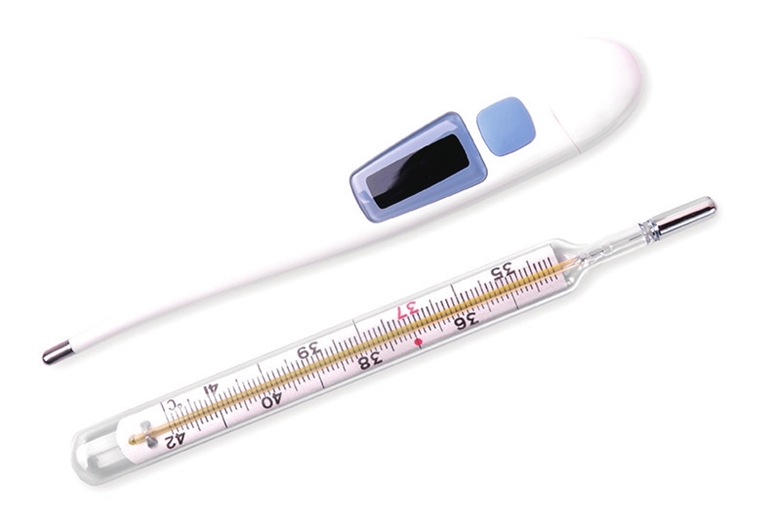
水银体温计药店普遍存货不多
Qi Lu Wan Bao· 2026-01-07 00:05
Core Viewpoint - The production ban on mercury thermometers and related mercury-containing medical devices will take effect on January 1, 2026, leading to a shift in consumer preferences towards alternative thermometer options [1][2]. Group 1: Market Situation - As of January 4, 2026, local pharmacies in Jinan are experiencing a limited supply of mercury thermometers, with prices slightly increasing but not significantly [1]. - Various types of thermometers are available, including electronic thermometers priced between 22.2 yuan and 48 yuan, and a popular non-mercury glass thermometer priced at 19.8 yuan, which is gaining traction among consumers [1][2]. - The most common mercury thermometer has recently faced stock shortages, with only a few remaining in local pharmacies [1]. Group 2: Consumer Preferences - Many consumers, like Ms. Zhang, express skepticism about the accuracy of electronic thermometers, leading to a preference for mercury thermometers, although they are now sold out [2]. - Healthcare professionals, such as nurses, indicate that both ear thermometers and mercury thermometers are still in use, with no clear directive to eliminate mercury thermometers entirely [2]. - The recommendation for consumers is to choose thermometers based on their specific needs, with mercury thermometers suggested for accuracy in safe environments, while electronic thermometers are recommended for convenience, especially in households with children or elderly individuals [2].
今年起,水银体温计全面停产
Xin Lang Cai Jing· 2026-01-02 17:27
Core Viewpoint - The production of mercury thermometers will be completely banned in China starting January 1, 2026, marking the end of an era for this nearly 300-year-old health tool [1] Group 1: Market Response - The news of the ban has led to increased interest among consumers, with some older individuals preferring to stock up on traditional mercury thermometers while younger families are opting for electronic alternatives [2][3] - Sales of mercury thermometers have seen a rise in both offline and online markets, with online sales reportedly doubling in the past two weeks as consumers rush to purchase them before they become unavailable [3] Group 2: Safety and Health Concerns - The decision to phase out mercury thermometers is largely driven by safety and environmental concerns, as nearly half of reported mercury poisoning cases are linked to broken thermometers [3] - The dangers of mercury exposure, including damage to the central nervous system, have been highlighted as a significant reason for the transition to safer alternatives [3] Group 3: Expert Recommendations - Pediatric experts have emphasized the efficiency and safety of electronic thermometers, noting that traditional mercury thermometers are outdated and do not meet the fast-paced demands of modern clinical settings [4] - Proper usage and maintenance of electronic thermometers are crucial for accurate readings, with recommendations provided for ensuring their effectiveness [5][6]
转需!水银体温计停产替代产品咋选
Xin Lang Cai Jing· 2026-01-02 03:04
Group 1 - The article discusses the discontinuation of mercury thermometers and the selection of alternative products [1] - It raises concerns about the accuracy of new types of thermometers as perceived by consumers [1] - The article highlights the significant price differences among new thermometer products [1] Group 2 - It addresses the safe disposal of existing stock of mercury thermometers [1]
水银体温计停产,替代产品怎么选?
Xin Lang Cai Jing· 2026-01-02 00:56
Core Viewpoint - The National Medical Products Administration of China has announced a ban on the production of mercury thermometers and sphygmomanometers starting January 1, 2026, due to the toxicity and non-degradability of mercury [1]. Group 1: Reasons for the Ban - Mercury thermometers contain approximately 1 gram of mercury, which can significantly increase the mercury concentration in a room if broken [1]. - Inhalation of mercury vapor can cause symptoms such as dizziness, headaches, and fatigue, with long-term exposure potentially leading to irreversible damage to the nervous system and kidneys, especially in children and pregnant women [1]. - The ban aligns with China's commitment to the Minamata Convention on Mercury, aiming to reduce environmental hazards associated with mercury [1]. Group 2: Handling Broken Thermometers - If a mercury thermometer is broken, it is crucial to ventilate the area immediately and avoid using a broom or vacuum cleaner to clean up the mercury [1]. - The correct procedure involves wearing gloves, using hard paper or tape to collect mercury beads, and sealing them in a container marked as "waste mercury" for proper disposal [1]. Group 3: Alternatives to Mercury Thermometers - For general household use, medical-grade electronic thermometers are recommended for their simplicity and cost-effectiveness [2]. - For infants or uncooperative children, ear thermometers are preferred due to their speed and accuracy in measuring core body temperature [2]. - For those accustomed to the "shake" method, non-mercury thermometers made from gallium-indium-tin alloy are available, which are safe and environmentally friendly [2]. Group 4: Best Practices for Thermometer Use - It is essential to choose thermometers from reputable brands and ensure they have medical device certification [3]. - Regular calibration of electronic thermometers is advised to maintain measurement accuracy [3]. - Proper disposal of any unused or broken mercury thermometers is necessary to ensure health and environmental safety [3].

水银体温计“禁产令”今起正式生效,多家药店表示“禁产不等于禁售”,有网店一天卖出超300支
Xin Lang Cai Jing· 2026-01-01 12:17
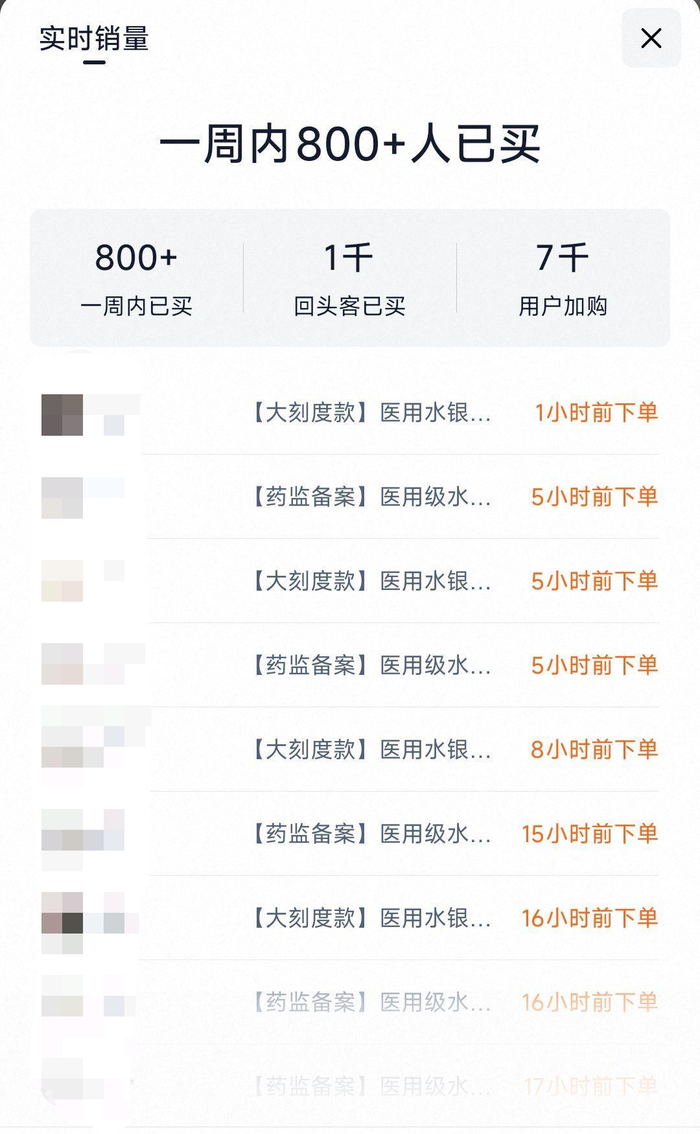
Core Viewpoint - The ban on the production of mercury thermometers officially took effect on January 1, 2026, but sales of these thermometers continue in various pharmacies and online platforms, indicating that the ban does not extend to sales [1][4]. Group 1: Sales and Availability - Despite the production ban, mercury thermometers are still available for purchase, with significant sales reported; one store sold over 300 units in a single day, while another sold over 800 units in a week [1][2]. - Pharmacies in different cities report varying stock levels and prices, with some selling at prices ranging from 8 to 109 yuan, and some noting a slight price increase from previous levels [4][8]. Group 2: Regulatory Background - The ban on the production of mercury thermometers is part of China's commitment to the Minamata Convention on Mercury, which has been in effect since August 16, 2017, and prohibits the production of mercury-containing thermometers and sphygmomanometers starting January 1, 2026 [4][9]. Group 3: Health and Environmental Concerns - Mercury is classified as one of the top ten hazardous chemicals by the World Health Organization, with significant health risks associated with exposure, particularly for vulnerable populations such as children and pregnant women [9].
水银体温计今日起停产,替代产品怎么选?
Xin Hua Wang· 2026-01-01 04:49
Core Viewpoint - The National Medical Products Administration of China will ban the production of mercury thermometers and sphygmomanometers starting January 1, 2026, leading to the phase-out of mercury thermometers and raising public concerns about the accuracy of electronic alternatives [2]. Group 1: Accuracy and Public Perception - Many consumers express skepticism about the accuracy of electronic thermometers compared to mercury ones, fearing misdiagnosis due to inaccurate readings [3]. - Qualified electronic thermometers have no significant difference in accuracy compared to mercury thermometers, with a permissible error range of ±0.1-±0.2℃, meeting clinical diagnostic requirements [3]. - Proper usage is crucial for accurate readings; for instance, ear thermometers must be correctly positioned, and electronic thermometers should be allowed to stabilize before measurement [5]. Group 2: Market Dynamics and Pricing - The market offers a wide range of thermometer types, with prices varying significantly from tens to hundreds of yuan; mercury thermometers typically cost between 8-15 yuan, while electronic thermometers range from 15-40 yuan for entry-level models and over 100 yuan for high-end products [6]. - The price difference is influenced by material costs and brand value; non-mercury thermometers made from gallium-indium-tin alloys are generally more expensive than mercury ones [13]. - As production capacity increases, the price of non-mercury thermometers is expected to drop below 10 yuan [13]. Group 3: Transition and Disposal of Mercury Thermometers - The industry has been transitioning to non-mercury thermometers for several years, with existing mercury thermometer stocks still legally sellable until their expiration [14]. - Hospitals are phasing out mercury thermometers, with a complete ban expected in pediatric and maternal institutions by 2025-2027 [16]. - Safe disposal of broken mercury thermometers is critical, and residents are advised to seek professional services for proper handling [16].
水银体温计今日起停产 替代产品怎么选?
Xin Hua Wang· 2026-01-01 01:57
Core Viewpoint - The National Medical Products Administration (NMPA) has announced a ban on the production of mercury thermometers and sphygmomanometers starting January 1, 2026, marking the end of mercury thermometers in the market. The accuracy of alternative electronic and infrared thermometers is a major concern for the public [3][20]. Group 1: Regulations and Transition - The new regulation will phase out mercury thermometers, with existing compliant products allowed to be sold until their expiration dates [20]. - Hospitals are expected to stop purchasing mercury thermometers, with a complete phase-out planned between 2025 and 2027, particularly in pediatric and maternal-child health institutions [20]. Group 2: Accuracy and Consumer Concerns - Many consumers express skepticism about the accuracy of electronic thermometers compared to mercury ones, fearing misdiagnosis due to perceived inaccuracies [4]. - Medical professionals assert that qualified electronic thermometers have no significant difference in accuracy compared to mercury thermometers, with an acceptable error range of ±0.1-±0.2°C [4][3]. Group 3: Market Dynamics and Pricing - The market for thermometers is diverse, with prices ranging from 8-15 yuan for mercury thermometers to over 300 yuan for high-end infrared models [8][15]. - The cost difference in thermometers is influenced by materials used, brand value, and technological features, with non-mercury thermometers expected to drop below 10 yuan as production scales up [15]. Group 4: Disposal and Environmental Concerns - There is a lack of comprehensive recycling channels for mercury thermometers for ordinary residents, and proper disposal is crucial to prevent environmental hazards [21]. - Some pharmacies are willing to participate in the collection of expired mercury thermometers, but emphasize the need for support and infrastructure to ensure safe disposal [21].
水银体温计退出 替代品选购攻略来啦!
Xin Lang Cai Jing· 2025-12-29 04:48
Core Viewpoint - China will ban the production of mercury thermometers and sphygmomanometers starting January 1, 2026, due to health and environmental concerns, marking the end of an era for mercury-based medical devices [1][2]. Group 1: Health Risks of Mercury - Mercury, contained in traditional thermometers, poses significant health risks, including acute symptoms like headaches and chronic effects such as damage to the central nervous system and kidneys [2][3]. - Sensitive populations, including children and pregnant women, are at risk of irreversible harm, such as developmental delays and fetal deformities due to mercury exposure [3]. Group 2: Environmental Impact - Mercury is a neurotoxic heavy metal that can accumulate in the food chain, posing risks to marine life and human health [4]. - The biological magnification of mercury can lead to high concentrations in marine organisms, which can ultimately affect human consumers [4]. Group 3: Transition to Alternative Products - The market is shifting towards electronic and non-mercury alternatives, which are safer and more user-friendly [8]. - Various alternatives include gallium-indium-tin thermometers, electronic thermometers, ear thermometers, and forehead thermometers, each with unique features and accuracy levels [8][10]. Group 4: Usage and Safety Guidelines - Existing mercury thermometers can still be used if intact and within the registration validity period, but users should be aware of the associated risks and proper handling methods [5]. - In case of breakage, specific steps must be followed for safe cleanup, including ventilation and proper collection of mercury beads [6][7]. Group 5: Accuracy of Electronic Devices - Concerns about the accuracy of electronic thermometers exist, with reported discrepancies of up to 1°C among different brands [10]. - It is crucial to choose products with medical device registration and to follow proper usage instructions to ensure reliable readings [10].