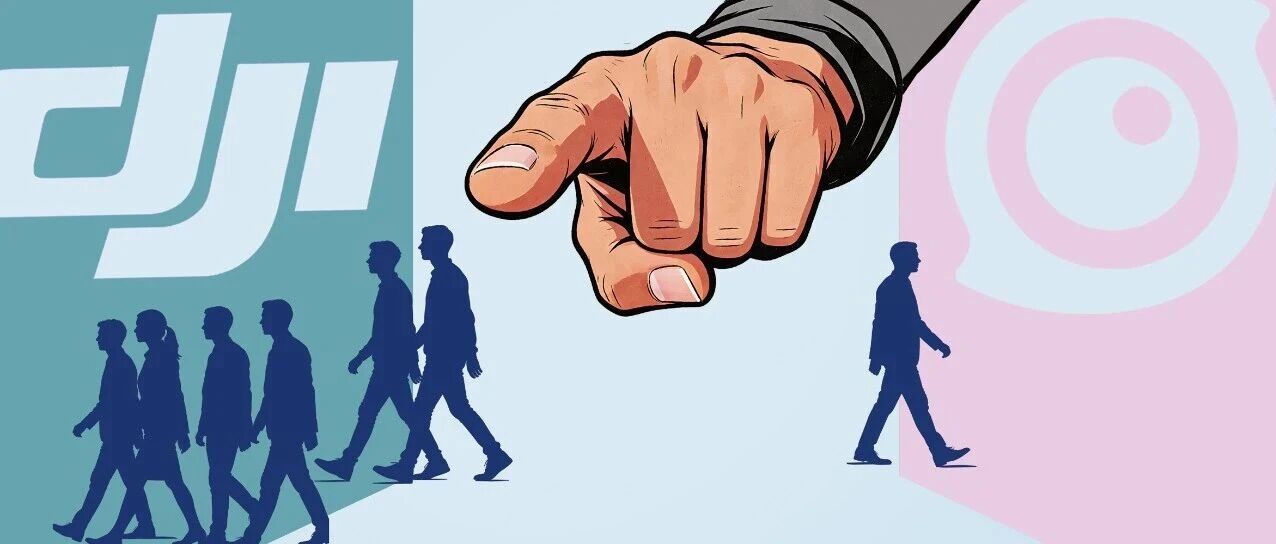
供应链排他

Search documents
大疆影石“供应链排他”,是舆论争议还是产业逻辑?
财联社· 2025-12-22 09:15
Core Viewpoint - The competition between YingShi Innovation and DJI has intensified as both companies enter each other's markets, leading to accusations of supply chain exclusivity and monopolistic behavior [1][2][3]. Group 1: Supply Chain Exclusivity Accusations - Liu Jingkang, the CEO of YingShi, accused DJI of implementing "supply chain exclusivity" to suppress competition, which sparked significant online debate [2][3]. - Industry insiders suggest that supply chain exclusivity is a common practice in the consumer electronics sector, often arising from competitive pressures rather than outright monopolistic behavior [2][12]. - The exclusivity claims are seen as a result of technological binding and resource allocation rather than a unilateral bullying tactic by DJI [4][12]. Group 2: Market Dynamics and Competition - YingShi's new drone, "YingLing," faced significant pressure from DJI, which has a dominant market position in the drone sector [4][17]. - The global market for panoramic cameras is projected to grow from 3.2 billion yuan in 2020 to 5.85 billion yuan by 2024, but growth rates are slowing, raising concerns for YingShi's future performance [17][21]. - DJI's entry into the panoramic camera market has led to a dramatic drop in YingShi's market share from over 90% to 49% [21]. Group 3: Financial Performance and Market Response - YingShi's third-quarter net profit decreased by 15.9% year-on-year, indicating financial pressure as competition intensifies [22][23]. - The company's stock price reflects high expectations, with a price-to-earnings ratio of 101.66, necessitating a successful expansion into the drone market to justify its valuation [18][19]. - Initial sales figures for the "YingLing" drone indicate a slow market response, with only 1,400 units sold in the first three days, raising concerns about its ability to drive revenue growth [20].

大疆与影石的供应链之战
创业邦· 2025-12-13 10:08
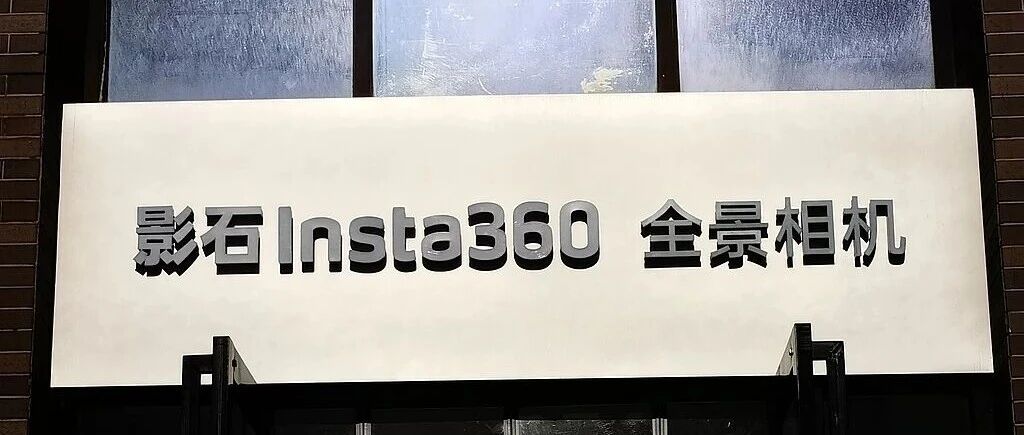
Core Viewpoint - The article discusses the competitive tension between YingShi Innovation Technology Co., Ltd. and DJI, highlighting the supply chain exclusivity and sales channel conflicts that YingShi faces due to DJI's market dominance [4][5][7]. Supply Chain Exclusivity - YingShi has been facing increasing pressure from suppliers to not collaborate with them, as many suppliers are coerced into exclusive agreements with DJI, leading to a significant impact on YingShi's ability to source essential components [4][6][8]. - The exclusivity has escalated over the past five years, with suppliers being explicitly instructed to cease cooperation with YingShi, particularly as the launch of YingShi's drone brand "Antigravity" approaches [10][12][14]. - Key components affected include optical lens modules, structural parts, and electronic components, with suppliers reporting that they are unable to fulfill orders for YingShi due to these exclusivity agreements [13][15][20]. Sales Channel Conflicts - The article details incidents where YingShi's sales efforts have been undermined by DJI's influence, such as the forced removal of YingShi's store signage in a photography equipment market due to a directive from DJI's distributors [24][28][30]. - The competitive landscape has shifted from product specifications to aggressive tactics in retail spaces, with DJI leveraging its market power to restrict YingShi's access to key sales channels [29][31]. - YingShi's sales team has reported multiple instances of distributors being pressured to choose between selling DJI or YingShi products, indicating a growing trend of exclusivity in retail partnerships [30][32]. Supplier Concerns - Suppliers are caught in a dilemma, as many rely heavily on DJI for their revenue, making it difficult to risk losing that business by working with YingShi [18][20][22]. - The article notes that while some suppliers are exploring alternative arrangements to support YingShi, the overarching pressure from DJI remains a significant barrier [15][34]. - The competitive dynamics in the supply chain are further complicated by the relatively low technical barriers in the optical lens module industry, which makes it challenging for suppliers to justify taking risks with new partnerships [20][22]. Market Dynamics and Future Outlook - The ongoing conflict between YingShi and DJI is expected to shape the future of the drone market, with potential implications for market share and supplier relationships as the industry evolves [18][34]. - YingShi is adapting its strategy by diversifying its supplier base and seeking partnerships with those willing to collaborate, indicating a proactive approach to mitigate the impact of exclusivity [34][35]. - The article raises questions about the legality and ethics of such exclusivity practices in the context of antitrust laws, suggesting that the situation may prompt regulatory scrutiny in the future [35].
大疆与影石的供应链之战
Jing Ji Guan Cha Bao· 2025-12-12 14:00
Core Viewpoint - The competition between DJI and Insta360 has escalated into a supply chain war, where suppliers are pressured to choose sides, leading to significant challenges for Insta360 in securing necessary components and sales channels [2][5][10]. Supply Chain Dynamics - Insta360's founder revealed that several core suppliers are facing "exclusivity" pressures, with multiple categories of components being affected, including optical lens modules and electronic components [2][7]. - Suppliers are increasingly reluctant to work with Insta360 due to the dominance of DJI, which has established a near-monopoly on certain supply chains, effectively forcing suppliers to choose between the two companies [3][11]. - The exclusivity agreements have expanded from primary suppliers to secondary suppliers, impacting a wide range of components essential for drone manufacturing [9][12]. Sales Channel Conflicts - The competition has also manifested in sales channels, with reports of aggressive tactics from DJI, including the dismantling of Insta360's store signage by mall management under pressure from DJI [4][15]. - A specific incident involved a store owner who invested heavily in renovations only to have their store's branding removed due to a hidden exclusivity agreement favoring DJI [18][20]. Supplier Concerns - Suppliers are caught in a dilemma, as losing DJI as a client could significantly impact their revenue, with some reporting potential declines of over 10% if they switch to working with Insta360 [11][12]. - The competitive landscape is further complicated by the fact that many suppliers are evaluating the market dynamics before making a decision, with some opting to wait and see how Insta360's products perform in the market [12][13]. Strategic Responses - Insta360 has been proactive in addressing the supply chain challenges by diversifying its supplier base and developing backup plans to mitigate the impact of exclusivity agreements [22]. - The company is focusing on building relationships with suppliers willing to collaborate and is exploring partnerships with those not aligned with DJI [22][23].

大疆与影石的供应链之战
经济观察报· 2025-12-12 13:54
Core Viewpoint - The article discusses the competitive tension between two companies, DJI and Insta360, highlighting the supply chain exclusivity and market strategies that have emerged as a result of their rivalry [2][5][30]. Supply Chain Exclusivity - Insta360's founder revealed that several core suppliers have faced pressure to not collaborate with Insta360, indicating a trend of exclusivity in the supply chain where suppliers must choose between working with DJI or Insta360 [2][8]. - The exclusivity has escalated, with suppliers being explicitly instructed to cease any cooperation with Insta360, impacting their ability to source critical components [9][10]. - The primary area affected by this exclusivity is the optical lens module sector, where suppliers are increasingly pressured to align with DJI due to its dominant market position [11][17]. Sales Channel Conflicts - The competition has extended to sales channels, with reports of physical store signs for Insta360 being forcibly removed due to pressure from DJI's distributors [4][19]. - A specific incident involved a store owner who invested significantly in renovations only to be informed of a ban on selling Insta360 products due to a "hidden directive" from DJI [24][25]. - The article notes that DJI has been actively working to secure exclusive sales agreements with retailers, limiting the presence of competing brands like Insta360 in key retail spaces [26][27]. Supplier Concerns - Suppliers are caught in a dilemma, as many rely heavily on DJI for revenue, with some reporting that losing DJI as a client could lead to significant revenue declines [14][15]. - The article highlights that while some suppliers are willing to support Insta360, they are cautious due to the potential financial repercussions of losing DJI's business [12][13]. - The competitive landscape is further complicated by the fact that many suppliers do not face capacity constraints, making the choice between DJI and Insta360 a strategic rather than a necessity-driven decision [15]. Market Dynamics and Responses - Insta360 has been proactive in developing alternative supply chain strategies to mitigate the impact of exclusivity, including diversifying its supplier base and fostering relationships with willing partners [30]. - The article suggests that the ongoing competition may ultimately drive innovation and growth within the industry, as companies adapt to the challenges posed by exclusivity [30][31]. - The legal implications of such exclusivity practices are also discussed, with experts weighing in on the potential antitrust concerns surrounding DJI's market behavior [31].