促销组合拳

Search documents
春节购车遇“政策换挡”车企掀促销热潮能否迎来“开门红”
Zhong Guo Jing Ying Bao· 2026-01-26 04:21
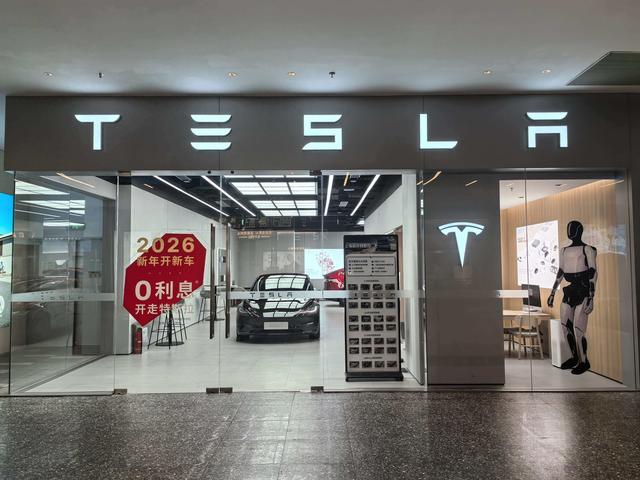
Core Viewpoint - The automotive market in China is undergoing a dual "gear shift" with the reduction of the full exemption on purchase tax for new energy vehicles and the initiation of new "trade-in" subsidies, leading to a significant decline in retail sales and prompting automakers to adopt diverse promotional strategies to stabilize sales and create competitive advantages [2][3][8] Group 1: Market Conditions - From January 1 to 11, 2026, the retail sales of passenger vehicles in China dropped by 32% year-on-year and 42% month-on-month, indicating a market adjustment period [2][7] - The reduction in purchase tax exemption for new energy vehicles has led to a proactive response from automakers, who are implementing multi-faceted promotional strategies to counteract market fluctuations [3][4] Group 2: Promotional Strategies - Automakers are launching targeted promotional strategies, including financial plans, user rights, and service guarantees, to ensure sales performance during critical sales periods [3][4] - SAIC Volkswagen announced various incentives, including up to 2,000 yuan in limited-time red envelopes and financing options with zero down payment and zero interest [3] - Honda and luxury brands like BMW are also actively participating in promotions, with BMW reducing the official prices of 31 models, reflecting a shift in pricing and sales strategies [4][5] Group 3: Differentiation in Promotions - The current promotional strategies exhibit structural differences, with companies tailoring their approaches based on product positioning and financial capabilities rather than engaging in price wars [5][6] - Tesla introduced unique financing options, such as a seven-year low-interest plan, to mitigate the impact of the purchase tax policy changes [5][6] - The promotional efforts are designed to create a comprehensive value proposition for consumers, moving away from simple price reductions to a focus on overall customer experience and service [6][7] Group 4: Future Outlook - Despite the aggressive promotional activities, the market response remains cautious, with expectations of a gradual improvement as subsidy details are fully implemented [7][8] - Analysts predict that the demand pressure in the automotive market will remain significant in 2026, with a slowdown in the growth of new energy vehicle sales and intensified competition among brands [8]

春节购车遇“政策换挡” 车企掀促销热潮能否迎来“开门红”
Zhong Guo Jing Ying Bao· 2026-01-23 20:16
Core Viewpoint - The automotive market in China is experiencing a dual shift in policy and market dynamics as of January 1, 2026, with the reduction of the new energy vehicle (NEV) purchase tax and the initiation of new "trade-in" subsidies aimed at stimulating demand [3][4]. Group 1: Market Dynamics - From January 1 to 11, 2026, the retail sales of passenger vehicles in China dropped by 32% year-on-year and 42% month-on-month, indicating a period of adjustment in the market [3][9]. - Major automakers are adopting a multi-faceted promotional strategy, including financial solutions, user rights, and service guarantees, to stabilize sales and build new competitive barriers [3][4]. - Analysts suggest that the current promotional activities are a proactive response to the new policies and market conditions, aiming to ensure strong sales performance in January and the first quarter [4][5]. Group 2: Promotional Strategies - Various automakers have launched targeted promotional strategies, such as SAIC Volkswagen offering up to 20,000 yuan in new year bonuses and lifetime warranties on powertrains [5]. - Luxury brands like BMW have adjusted their official prices for 31 models, reflecting a shift in pricing and sales strategies to maintain brand value and support dealers [5][6]. - The promotional strategies are characterized by structural differences, with companies designing their approaches based on product positioning, service systems, and financial capabilities, moving away from a homogeneous price war [7][8]. Group 3: Market Outlook - Despite the intensive promotions, market reactions remain cautious, with expectations that the automotive market will gradually improve as local subsidy details are fully implemented [9]. - Analysts predict that the demand pressure in the domestic automotive market will remain significant in 2026, with a slowdown in NEV sales growth and intensified competition [10]. - The sustainability of current promotional activities beyond the first quarter remains uncertain, and companies are encouraged to build long-term competitive advantages that do not rely solely on short-term price incentives [9][10].