债务策略调整

Search documents
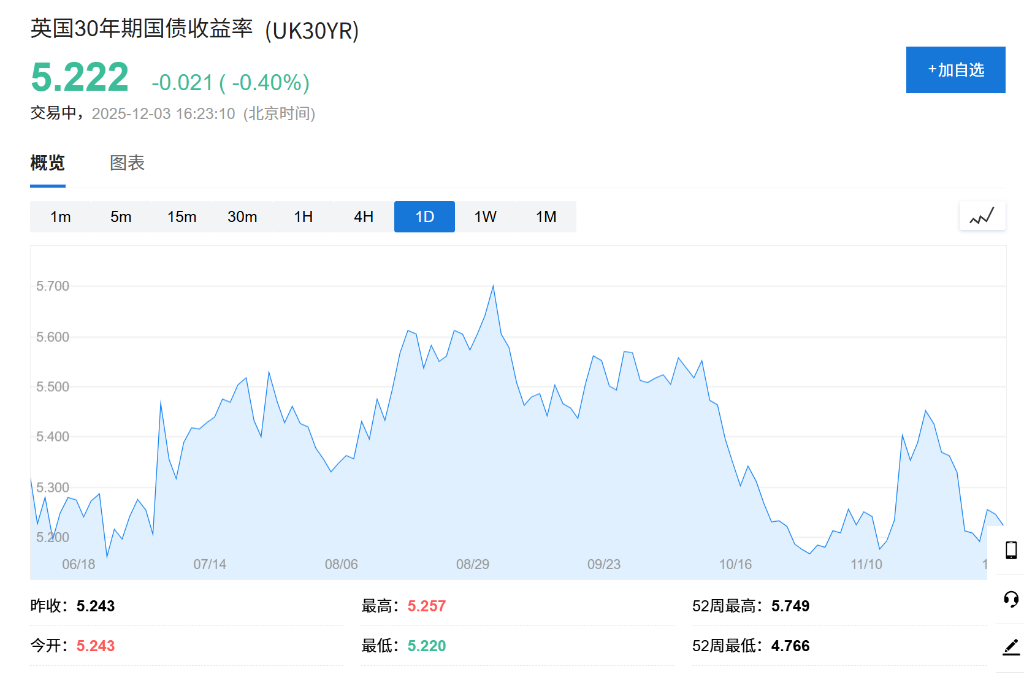
借短还长,英日央行领衔抛弃长债,转向高频滚动的“利率赌博”
Hua Er Jie Jian Wen· 2025-12-03 08:36
Core Insights - Major economies are shifting their debt strategies from traditional long-term bonds to shorter-term debt instruments, led by the UK and Japan [1][2] - This shift is driven by central banks reducing their bond-buying programs, leading to decreased demand for long-term bonds and rising government borrowing costs [1][2] - The trend is not isolated, as the US and Australia are also increasingly relying on short-term debt to finance deficits [1][2] Group 1: Debt Strategy Changes - The UK has reduced its long-term bond issuance to a historical low and is considering expanding its ultra-short-term bill market [1][5] - Japan plans to increase the issuance of short-term debt following a sell-off of long-term bonds [1][5] - The average duration of global government bonds has fallen to its lowest level since 2014, indicating a broader trend towards shorter maturities [1][2] Group 2: Demand Dynamics - Traditional buyers of long-term bonds, such as pension funds, are withdrawing from the market, creating a significant demand gap [2][5] - In the UK, the yield spread between long-term and short-term bonds has widened, making short-term borrowing more attractive [2][5] - In Japan, the demand for ultra-long bonds from banks and insurance companies has diminished, further contributing to the shift [2][5] Group 3: Financial Implications - The issuance of short-term bonds is becoming increasingly appealing due to the significant yield spread, with short-term bonds expected to make up 44% of new UK bond issuance this fiscal year [5] - In Japan, bonds with maturities of five years or less are projected to account for about 60% of new issuances, up from 56% in the previous fiscal year [5] - The strategy of shortening debt duration carries risks, as it bets on future declines in long-term bond yields, which could lead to increased costs if rates do not fall as anticipated [6][7]