
假日心脏综合征

Search documents
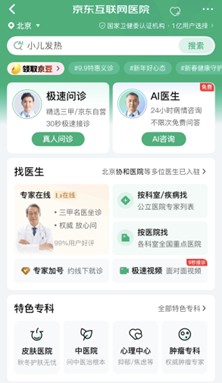
春节假期结束如何满血复工?京东互联网医院医生支招应对“节后综合征”
Zhong Jin Zai Xian· 2026-02-24 02:04
Group 1 - The phenomenon known as "post-holiday syndrome" is observed as individuals return to work after the Spring Festival, indicating a need to readjust to work rhythms after a break [1] - Recommendations for physical adjustment include gradually shifting sleep schedules, maintaining a balanced diet rich in vegetables and proteins, and engaging in light exercises to improve mood and energy levels [1][2] - Mental adjustment strategies involve accepting feelings of reluctance to return to work, creating task lists to establish a sense of control, and utilizing techniques like the Pomodoro Technique to maintain focus [2] Group 2 - The return travel period poses a high risk for respiratory infections due to crowded and enclosed spaces, with recommendations for health self-assessment and preventive measures such as mask-wearing and hand hygiene [3] - JD Internet Hospital offers 24/7 online consultation services, providing timely medical responses and access to expert advice through its app, enhancing healthcare accessibility for users during the post-holiday period [5] - The integration of AI technology in healthcare services, such as the "JD Medical Inquiry" model, allows for comprehensive patient support and evidence-based recommendations, improving the quality of healthcare delivery [5]

青年早新闻 | 谷爱凌等中国选手“组团”冲金,计划有变
Xin Lang Cai Jing· 2026-02-22 00:25
Group 1 - The Chinese freestyle skiing team is set to compete for gold in the women's U-shaped venue skills final at the 2026 Milan-Cortina Winter Olympics, with the event rescheduled due to local snowfall [1] - The Chinese team has already secured 12 medals in the current Winter Olympics, surpassing previous records from the 2006 Turin and 2010 Vancouver Olympics [3] - Su Yiming will serve as the flag bearer for the Chinese delegation at the closing ceremony of the Milan Winter Olympics [4] Group 2 - Xu Mengtao commented on the team's strategy of attempting high-difficulty moves despite setbacks, indicating a desire to avoid being influenced by competitors [5][7] - The Chinese freestyle skiing aerial team aims to set new goals for the next Winter Olympics in four years, despite leaving Milan with some regrets [7]

守护心血管 新春更安康
Xin Lang Cai Jing· 2026-02-11 16:40
Core Viewpoint - The article emphasizes the importance of cardiovascular health for patients during the Spring Festival, highlighting dietary and lifestyle precautions to prevent health risks associated with the holiday season [1]. Group 1: Health Precautions for Cardiovascular Patients - Patients with cardiovascular diseases should be cautious of temperature changes during the Spring Festival, as cold exposure can lead to blood vessel constriction and increased blood pressure, heightening the risk of cardiovascular events [2]. - Two key protective measures are recommended: physical protection through wearing hats and scarves to minimize heat loss, and avoiding outdoor activities during the coldest morning hours (6 AM to 10 AM) when blood pressure peaks [2]. Group 2: Dietary Considerations - It is crucial for patients to monitor their salt and alcohol intake during festive gatherings, as excessive consumption can lead to serious health issues. The recommended daily salt intake is no more than 5 grams, which can be easily exceeded with traditional foods [3]. - Alcohol consumption, particularly during holidays, can trigger conditions like "holiday heart syndrome," where excessive drinking leads to heart rhythm disorders such as atrial fibrillation [3]. Group 3: Specific Guidelines for Different Patient Groups - Coronary heart disease patients should avoid heavy lifting and strenuous activities, with a strict limit of not lifting more than 10 pounds to prevent heart strain [4]. - Heart failure patients need to be cautious about salt intake from snacks and monitor weight changes, as a weight gain of over 2 kilograms in three days may indicate worsening symptoms [5]. - Hypertension patients should maintain regular sleep patterns and monitor morning blood pressure, as irregular schedules can lead to dangerous spikes [6]. - Patients with high cholesterol should focus on dietary control rather than increasing medication dosages, as excessive food intake can lead to severe complications like pancreatitis [6]. - Diabetic patients must adhere to regular meal times to avoid low blood sugar episodes, which can have serious consequences [7].