节后综合征

Search documents
摆脱“节后综合征” 专家喊你“慢慢来” 别硬扛
Xin Lang Cai Jing· 2026-02-27 06:02
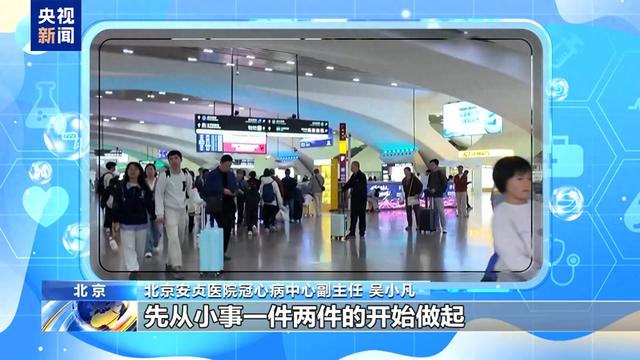
Core Viewpoint - The article discusses "post-holiday syndrome," a common condition experienced after long holidays, characterized by various physical and mental symptoms as individuals transition back to regular work or school routines [1][2]. Group 1: Definition and Symptoms - "Post-holiday syndrome" is described as a widespread phenomenon that occurs after long breaks, leading to physical and mental discomfort, typically resolving within about a week [2]. - Physical symptoms include fatigue, insomnia, excessive sleepiness, muscle soreness, rapid heartbeat, poor appetite, bloating, and diarrhea [2]. - Mental symptoms may involve difficulty concentrating, anxiety, feelings of emptiness, and irritability [2]. Group 2: Recommendations for Recovery - Experts suggest gradually adjusting sleep patterns to a more regular schedule and consuming lighter meals to aid digestion [4]. - It is recommended to start with small tasks to ease back into a structured work or study routine [4]. Group 3: Cardiovascular Risks - Irregular eating and sleeping patterns during holidays can exacerbate cardiovascular issues, particularly for individuals with pre-existing conditions such as hypertension, high cholesterol, or diabetes [5][6]. - Patients with cardiovascular diseases are advised to be particularly cautious, as disruptions in routine can lead to symptoms like palpitations, chest tightness, and shortness of breath [6][8]. Group 4: Impact on Children and Adolescents - Children and adolescents may also experience "post-holiday syndrome," with symptoms including dizziness, headaches, chest tightness, nausea, and difficulty sleeping [10]. - Experts recommend providing children with flexible adjustments to their routines and gradually reducing screen time to help them adapt to regular schedules [10].

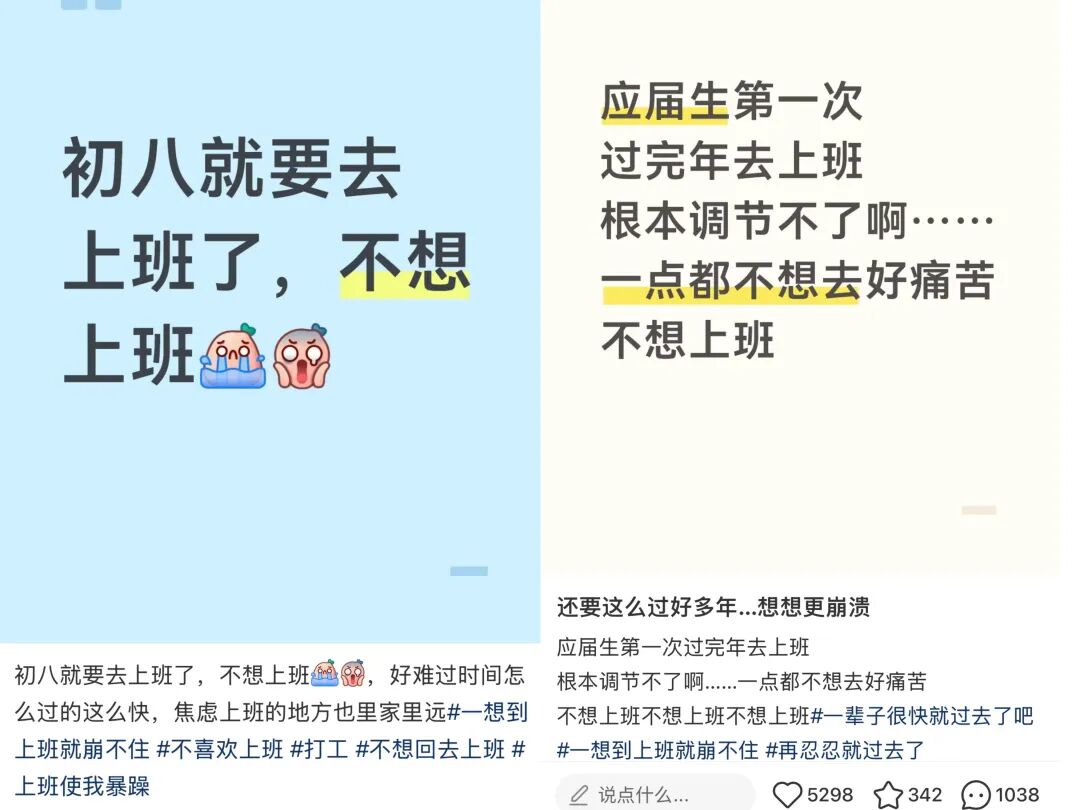
“30岁了还因假期结束而哭”该怎么办?
Xin Lang Cai Jing· 2026-02-26 17:41
Core Viewpoint - The phenomenon of "post-holiday syndrome" is particularly pronounced after the Spring Festival, with individuals experiencing heightened anxiety and emotional distress as they return to work, often exacerbated by underlying psychological issues such as burnout and feelings of meaninglessness [5][6][7] Group 1: Post-Holiday Syndrome - The "post-holiday syndrome" is a common reaction, especially after the Spring Festival due to the significant emotional contrast between the festive atmosphere and the return to routine [5][6] - Many individuals report symptoms such as anxiety, nightmares, and physical discomfort upon returning to work, indicating a deeper psychological struggle rather than mere holiday blues [8][10] - The emotional distress experienced is often linked to separation anxiety from family and the pressures of returning to a demanding work environment [5][6][7] Group 2: Psychological Factors - The underlying causes of post-holiday distress often include long-term psychological exhaustion and a lack of perceived value in one's work, which can lead to a prolonged state of depression [7][10] - Individuals may experience physical symptoms such as sleep disturbances and gastrointestinal issues as manifestations of their emotional struggles [8][9] - Recognizing and understanding one's emotions can help alleviate some of these physical symptoms, although not all bodily reactions are easily controlled [9][10] Group 3: Coping Strategies - To combat feelings of helplessness and despair, individuals are encouraged to identify the reasons behind their behaviors and to actively construct a sense of meaning in their lives [15][16] - Meaning is not automatically generated but must be actively constructed through self-reflection and exploration of one's motivations and values [16][17] - Practical strategies include breaking down large goals into manageable tasks, seeking creative outlets, and reassessing one's work motivations to reduce psychological pressure [17]

女教师进校门前崩溃痛哭,体重骤降十多斤,严重时呕吐:那扇门像有千斤重,根本迈不进去
Xin Lang Cai Jing· 2026-02-24 12:08
Core Viewpoint - The article discusses the phenomenon of "post-holiday syndrome," highlighting the psychological and physical challenges faced by individuals, particularly teachers, when returning to work after a holiday break [2][8]. Group 1: Case Study - A female teacher in her 30s experienced severe anxiety and physical symptoms, including weight loss and nausea, upon returning to school after the holiday [4][5]. - The teacher's anxiety was exacerbated by a particularly disruptive student, leading her to feel overwhelmed and fearful of losing control in the classroom [5][6]. - The teacher sought help from a medical professional, who diagnosed her condition as "zang zao," a term in traditional Chinese medicine referring to emotional distress affecting physical health [5][6]. Group 2: Expert Analysis - The article identifies three main causes of post-holiday syndrome: 1. A sudden drop in mental state from a relaxed holiday mode to a stressful work mode [9][10]. 2. Disruption of the biological clock due to irregular sleep patterns during the holiday [11]. 3. Individuals with lower physical resilience, such as those with insufficient energy or stress tolerance, are more susceptible to anxiety [12]. Group 3: Self-Help Strategies - Recommendations for overcoming post-holiday syndrome include: 1. Engaging in physical activity to boost mood and mental health [12]. 2. Establishing a regular sleep schedule to help the body adjust back to work demands [13]. 3. Seeking professional help if symptoms persist, as this indicates a need for medical attention [14].
人类刚刚返岗,健康AI先迎来务工高峰
Nan Fang Du Shi Bao· 2026-02-24 11:36
Core Insights - The article discusses the emotional challenges faced by workers returning to work after the Chinese New Year holiday, highlighting a phenomenon known as "post-holiday syndrome" [2][10]. Group 1: Emotional State of Workers - Many workers experience anxiety and reluctance to return to work after the festive season, feeling their minds are still in holiday mode while their bodies are at their desks [2][3]. - The anxiety peaks as individuals reflect on their responsibilities and the loneliness of returning to work, especially when considering family left behind [5][6]. Group 2: Role of AI in Addressing Anxiety - The AI health application "Ant Forest" saw a significant increase in consultations related to insomnia and psychological issues, with inquiries rising nearly 20% in the days leading up to the return to work [5][6]. - The app has become a tool for users to express their anxieties and seek guidance, providing a safe space for those who may feel uncomfortable discussing their feelings with family or friends [5][10]. Group 3: Coping Strategies Suggested by AI - The AI offers practical advice for overcoming post-holiday syndrome, emphasizing the importance of a "warm-up period" rather than forcing immediate productivity [10][13]. - Suggested strategies include writing down reasons for anxiety, establishing a routine with light exposure, and gradually easing into work tasks using techniques like the Pomodoro method [10][14].
节后上班第一天疲劳乏力犯困?科学调节,避免演变为职业倦怠
Xin Lang Cai Jing· 2026-02-24 11:04
Core Viewpoint - The article discusses the phenomenon of "post-holiday syndrome," which affects many employees returning to work after the Spring Festival holiday, highlighting its symptoms and providing strategies for recovery [1][2]. Group 1: Symptoms and Causes - Common symptoms of "post-holiday syndrome" include physical fatigue, dizziness, gastrointestinal discomfort, sleep disturbances, and psychological issues such as lack of concentration, low efficiency, anxiety, and resistance to work [2]. - The primary causes of this syndrome are attributed to disrupted routines during the holiday, including late nights and irregular eating habits, leading to a misalignment of the biological clock and a significant shift from leisure to a stressful work environment [2]. Group 2: Recommended Recovery Methods - Six scientific adjustment methods are recommended to help employees recover quickly: - Gradually adjust sleep schedules by going to bed 30 minutes earlier each night and avoiding screens before bed [3]. - Maintain a light diet, especially for breakfast, and ensure adequate hydration, aiming for 1500 to 2000 milliliters of water daily [3]. - Engage in light physical activity, such as walking for 20 minutes daily and stretching for 10 minutes, to improve mood and sleep [3]. - Start work with simple tasks to build momentum, breaking larger tasks into smaller, manageable goals [3]. - Accept the temporary state of feeling unwell and practice relaxation techniques like deep breathing and meditation [3]. - Reconnect socially with colleagues to ease back into the work environment while avoiding unnecessary social obligations [3]. Group 3: When to Seek Help - If symptoms persist for more than two weeks and significantly impact sleep, diet, and work efficiency, or if there are signs of severe emotional distress, it is advised to take a break and seek professional help if necessary [4].
节后复工谨防“节后综合征” 京东互联网医院医生支招助力轻松复工
Zheng Quan Ri Bao Wang· 2026-02-24 08:18
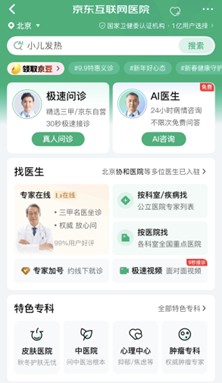
Core Insights - The phenomenon known as "post-holiday syndrome" is observed as employees return to work after the Spring Festival, characterized by fatigue, lack of focus, and feelings of anxiety or loss [1][2] - Companies are encouraged to support employees in readjusting to work rhythms through various health and wellness strategies [1][2] Group 1: Physical Health Adjustments - Employees are advised to gradually adjust their sleep schedules by going to bed 15 to 30 minutes earlier each day and establishing a "digital detox" before sleep [1] - A balanced diet is recommended post-holiday, emphasizing the intake of dark vegetables, vitamin C-rich fruits, and quality proteins while reducing high-sugar and high-caffeine beverages [1] - Light physical activities such as walking, jogging, or yoga for 20 to 30 minutes daily can help improve mood and energy levels [1] Group 2: Psychological Adjustments - Accepting feelings of reluctance to return to work is deemed normal, and positive affirmations can help in transitioning back to work [2] - Creating a task list prioritizing simpler tasks can help employees regain a sense of control and efficiency [2] - The "Pomodoro Technique," which involves working for 25 minutes followed by a 5-minute break, is suggested to maintain focus during the initial workdays [2] Group 3: Health Services Support - JD Internet Hospital collaborates with top-tier hospitals to provide 24/7 online medical services, ensuring timely responses for health issues arising during the return to work [2] - The JD Health self-developed medical model "JD Medical Inquiry" offers AI-driven health consultations, enhancing the quality of health services from experience-based to evidence-based [2]

涨知识 | 复工后摆脱不了“长假病”?这份运动处方能帮你
Xin Lang Cai Jing· 2026-02-24 06:58
Core Insights - The phenomenon known as "long holiday syndrome" or "post-holiday syndrome" is a real issue affecting individuals physically and psychologically after long breaks, particularly after the Spring Festival [4][2] - Many people experience health issues such as gastrointestinal discomfort due to irregular eating and drinking habits during holidays, leading to conditions like acute pancreatitis and ulcers [4][2] - The lack of physical activity during holidays can lead to rapid fat accumulation and metabolic disruptions, with studies indicating that the decline in physical fitness correlates with the duration of inactivity [4][5] Summary by Sections Long Holiday Syndrome - "Long holiday syndrome" is scientifically recognized as "post-holiday syndrome," characterized by both physiological and psychological symptoms [4] - Young individuals often face serious health issues post-holiday, including hospitalization due to gastrointestinal problems [4] - The common saying "gain three pounds during holidays" reflects the physical consequences of inactivity and irregular routines during breaks [4] Impact of Inactivity - Research indicates that the decline in physical fitness is proportional to the duration of inactivity, affecting blood flow, mitochondrial count, and lactate threshold [4][5] - Stopping regular exercise can lead to muscle fiber atrophy, requiring more effort to regain previous fitness levels [5] Recovery Strategies - Expert Mark Westgen suggests a five-part exercise prescription to help individuals recover from "long holiday syndrome" [5] - **Method 1: Slow Jogging** - Start with slow jogging for no more than 40 minutes for the first three days, adjusting pace based on fitness level [7] - **Method 2: Simple Home Exercises** - Engage in various home exercises like skipping rope and high knees to burn calories [9] - **Method 3: Daily Step Count** - Aim for 10,000 steps daily, with additional activities like stair climbing if necessary [11] - **Method 4: Static Strength Training** - Incorporate static exercises to enhance muscle endurance and strength [13] - **Method 5: Weekend Activities** - Utilize weekends for longer runs or outdoor activities, ensuring hydration and gradual intensity [15][16]
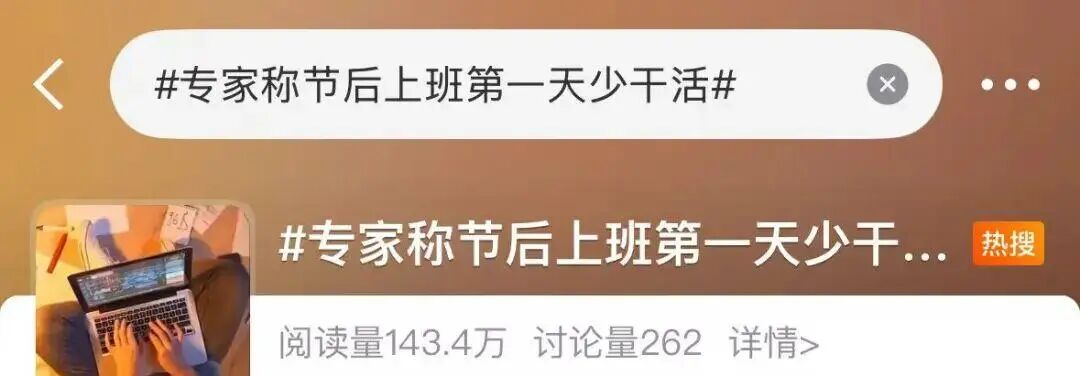
冲上热搜!“太困了不想上班”,专家建议:节后上班第一天少干活,“用轻度任务帮助神经系统平稳过渡”!网友:这次听专家的
Mei Ri Jing Ji Xin Wen· 2026-02-24 06:52
Core Viewpoint - The phenomenon of employees feeling lethargic and reluctant to return to work after the holiday is attributed to a "dopamine withdrawal reaction," leading to what is termed "post-holiday syndrome" [10]. Group 1: Post-Holiday Syndrome - The sudden transition from a high-dopamine holiday environment to the workplace can cause symptoms such as insomnia, fatigue, lack of concentration, and negative emotions, which are indicative of "post-holiday syndrome" [10]. - "Post-holiday syndrome" is not classified as a disease but rather a series of physical and mental responses due to changes in lifestyle and environment, resulting in disrupted biological rhythms and increased psychological stress [10]. Group 2: Expert Recommendations - Experts suggest easing into work on the first day back by starting with lighter tasks, such as organizing files and responding to emails, to help the nervous system transition smoothly [14]. - It is recommended to arrange tasks progressively, starting with easier ones to build confidence and gradually increasing the workload [15][16]. - Setting aside time for breaks and incorporating movement into the workday can help mitigate the effects of post-holiday syndrome [19]. - Restoring a regular sleep schedule and minimizing electronic device usage before bed are advised to readjust the biological clock disrupted during the holiday [20]. - Engaging in moderate exercise, such as walking or yoga, can enhance energy levels and improve mood, aiding the transition back to work [21]. - Maintaining a positive mindset and practicing relaxation techniques can help alleviate feelings of anxiety and improve overall well-being during the post-holiday period [22].
春节假期结束如何满血复工?京东互联网医院医生支招应对“节后综合征”
Zhong Jin Zai Xian· 2026-02-24 02:04
Group 1 - The phenomenon known as "post-holiday syndrome" is observed as individuals return to work after the Spring Festival, indicating a need to readjust to work rhythms after a break [1] - Recommendations for physical adjustment include gradually shifting sleep schedules, maintaining a balanced diet rich in vegetables and proteins, and engaging in light exercises to improve mood and energy levels [1][2] - Mental adjustment strategies involve accepting feelings of reluctance to return to work, creating task lists to establish a sense of control, and utilizing techniques like the Pomodoro Technique to maintain focus [2] Group 2 - The return travel period poses a high risk for respiratory infections due to crowded and enclosed spaces, with recommendations for health self-assessment and preventive measures such as mask-wearing and hand hygiene [3] - JD Internet Hospital offers 24/7 online consultation services, providing timely medical responses and access to expert advice through its app, enhancing healthcare accessibility for users during the post-holiday period [5] - The integration of AI technology in healthcare services, such as the "JD Medical Inquiry" model, allows for comprehensive patient support and evidence-based recommendations, improving the quality of healthcare delivery [5]
节后复工 这份身心调适与安全指南请查收
Xin Lang Cai Jing· 2026-02-24 00:50
Group 1 - The article discusses the phenomenon of "post-holiday syndrome," which is a temporary imbalance in physical and mental states when transitioning from a relaxed holiday mode to a work mode [3][5] - Suggestions for adjusting to work after the holiday include gradually restoring sleep patterns over 3-5 days, taking short afternoon breaks, and adopting a lighter diet to ease digestive burdens [3][6] - It is advised to seek professional help if symptoms persist for more than two weeks, including prolonged low mood, severe insomnia, or significant changes in appetite and weight [7] Group 2 - The article emphasizes the importance of workplace safety during the return to work, highlighting five dangerous practices to avoid, such as overloading power strips and using high-power appliances [8][10] - Recommendations include ensuring that electrical devices are not left on standby for extended periods and maintaining clear emergency exits in the workplace [12][13] - The article concludes with a reminder that safety is crucial for smooth work operations and wishes for a successful new year [14]