健身品牌运营

Search documents
超级猩猩现闭店潮?这两座城市门店数量已归零→
Di Yi Cai Jing Zi Xun· 2025-11-25 12:33
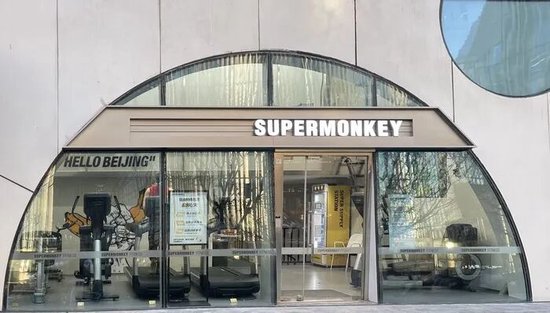
Group 1 - The core point of the article is that the fitness brand Super Monkey is undergoing significant store adjustments, including opening new locations while closing others in major cities like Beijing, Shanghai, Shenzhen, and Chengdu [2] - Super Monkey has recently opened new stores in Chengdu, but has also closed eight stores in Fuzhou and Xiamen within a year of their opening, resulting in no remaining stores in those cities [2] - The company currently operates nearly 300 stores nationwide, an increase from over 260 at the end of last year, indicating a net growth despite the closures [2] Group 2 - Super Monkey was established in June 2014, with a registered capital of approximately 1.089 million RMB, and its business scope includes fitness services and management consulting [3] - The company has completed multiple rounds of financing, with investors including CICC Capital, Sequoia China, and Fosun RZ Capital [3] - Super Monkey has made direct investments in 16 enterprises across various cities, with 13 currently operational, and holds control over nearly 30 companies through direct or indirect means [3]

超级猩猩回应闭店潮
Xin Lang Cai Jing· 2025-11-25 05:53
Core Viewpoint - The fitness brand Super Monkey is undergoing significant store adjustments, including openings and closures in major cities, reflecting a strategic shift in its operational model and market presence [3][4]. Group 1: Store Adjustments - Super Monkey has opened new stores in cities like Beijing, Shanghai, Shenzhen, and Chengdu while also closing several locations, a trend that began last year [3]. - The brand's attempt to enter Fuzhou and Xiamen resulted in the closure of all eight stores within a year, indicating challenges in these new markets [3]. - Currently, Super Monkey operates nearly 300 stores nationwide, an increase from over 260 at the end of last year [4]. Group 2: Operational Strategy - The company has shifted from a direct operation model to a "joint venture" model in some locations, where partners provide space while Super Monkey offers its self-developed courses and training [3]. - The brand's initial market entry strategy involved unattended fitness pods, later evolving to include group classes with a focus on pay-per-use and professional coaching [3]. Group 3: Challenges and Competition - Super Monkey faces dual pressures of talent and customer retention due to a coach-oriented loyalty model, which has led to coach turnover and subsequent member loss [4]. - The competitive landscape has intensified, with new brands like Savage launching aggressive pricing strategies that challenge Super Monkey's market position [5][6]. - Consumer reactions to promotional activities are mixed, with new customers enjoying low prices while long-term members express dissatisfaction over service quality and course availability [8]. Group 4: User Experience and Brand Perception - Differences in cleanliness and equipment maintenance between Super Monkey and competitors have been noted, impacting user satisfaction and retention [8]. - The brand's recent pricing strategies and membership offerings have led to discontent among loyal customers, highlighting the need for better customer engagement [8]. Group 5: Future Outlook - The ongoing adjustments and competitive pressures present a critical period for Super Monkey, necessitating a balance between operational costs, user experience, and sustainable profitability to thrive in a challenging market [8].