儿童智能设备规范

Search documents
50万点赞成“大佬”?高赞账号随意买卖!儿童电话手表“变味”引担忧
Yang Guang Wang· 2025-12-17 06:32
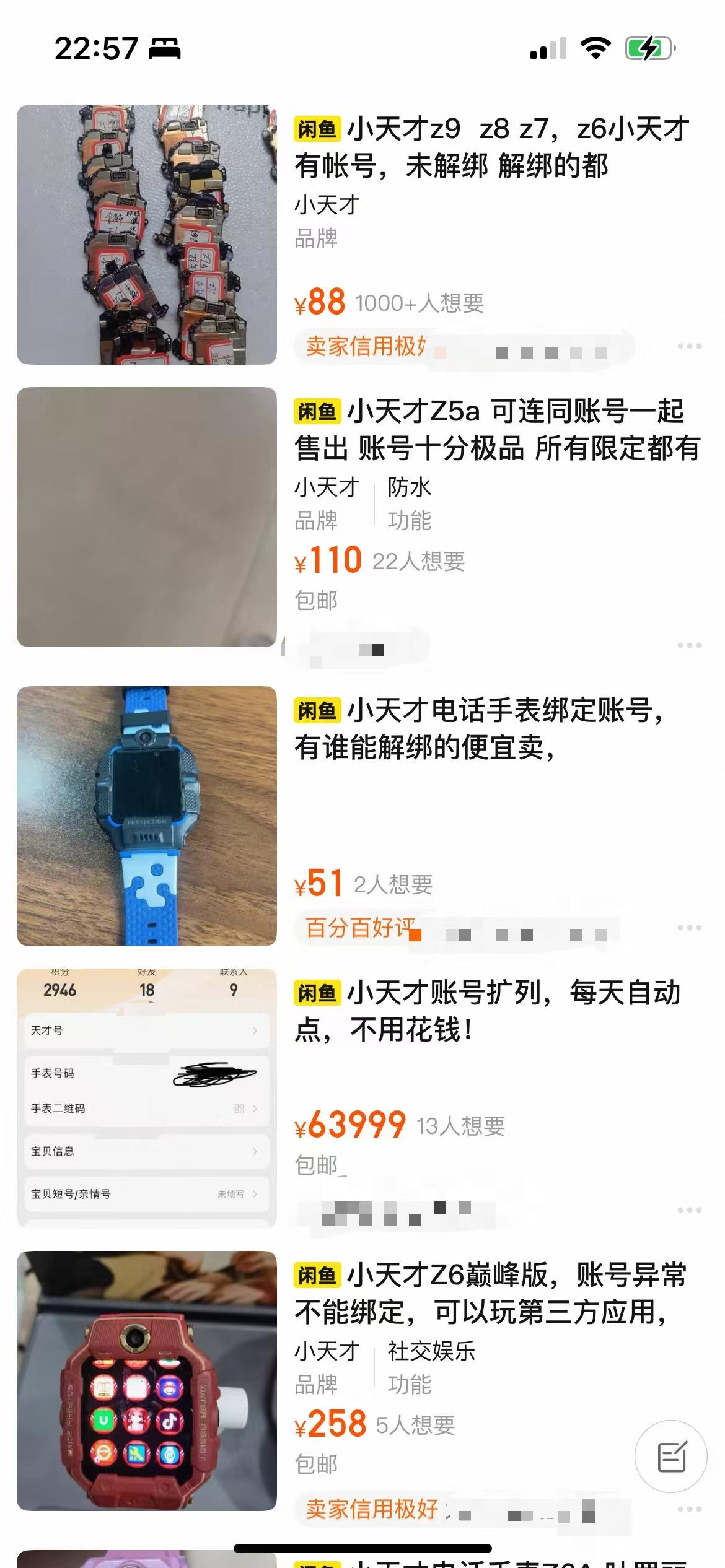
Core Insights - The article discusses the evolving role of children's smartwatches as platforms for digital social interaction among minors, highlighting their transition from basic functions like location tracking and calling to more complex social features [1][2][3] Group 1: Features and User Engagement - Children's smartwatches now include social modules that allow users to interact through likes, friend circles, and personal profiles, resembling social media platforms [1][2] - Users can create personal profiles, share photos and achievements, and engage in a competitive environment where the number of likes and friends determines social status [2][3] - The concept of "leveling up" through likes has created a hierarchy among users, with higher levels granting more likes per day, leading to a culture of social comparison [3][6] Group 2: Market Dynamics and Parental Concerns - There is a growing market for services that help users artificially inflate their likes and social status, with some students offering paid services for likes [6][7] - Parents express concerns about the impact of these social dynamics on their children, fearing that the competitive nature of likes and levels may lead to unhealthy behaviors [7][8] - The article notes that the recent removal of certain features by a smartwatch brand did not alleviate the dissatisfaction among young users, indicating a strong attachment to these social elements [7] Group 3: Regulatory Landscape - A new mandatory national standard for children's smartwatches is set to be implemented in 2027, which will address various aspects including network security, content safety, and addiction prevention [9][10] - The standard aims to regulate the content accessible to children, ensuring it promotes healthy online behavior and does not include harmful applications [9][10] - Experts emphasize the need for a comprehensive regulatory framework that encompasses various types of children's smart devices to ensure their safety and well-being [10]

小学生沉迷“刷赞当大佬” 电话手表的社交乱象如何规范?
Yang Shi Xin Wen· 2025-12-17 05:00
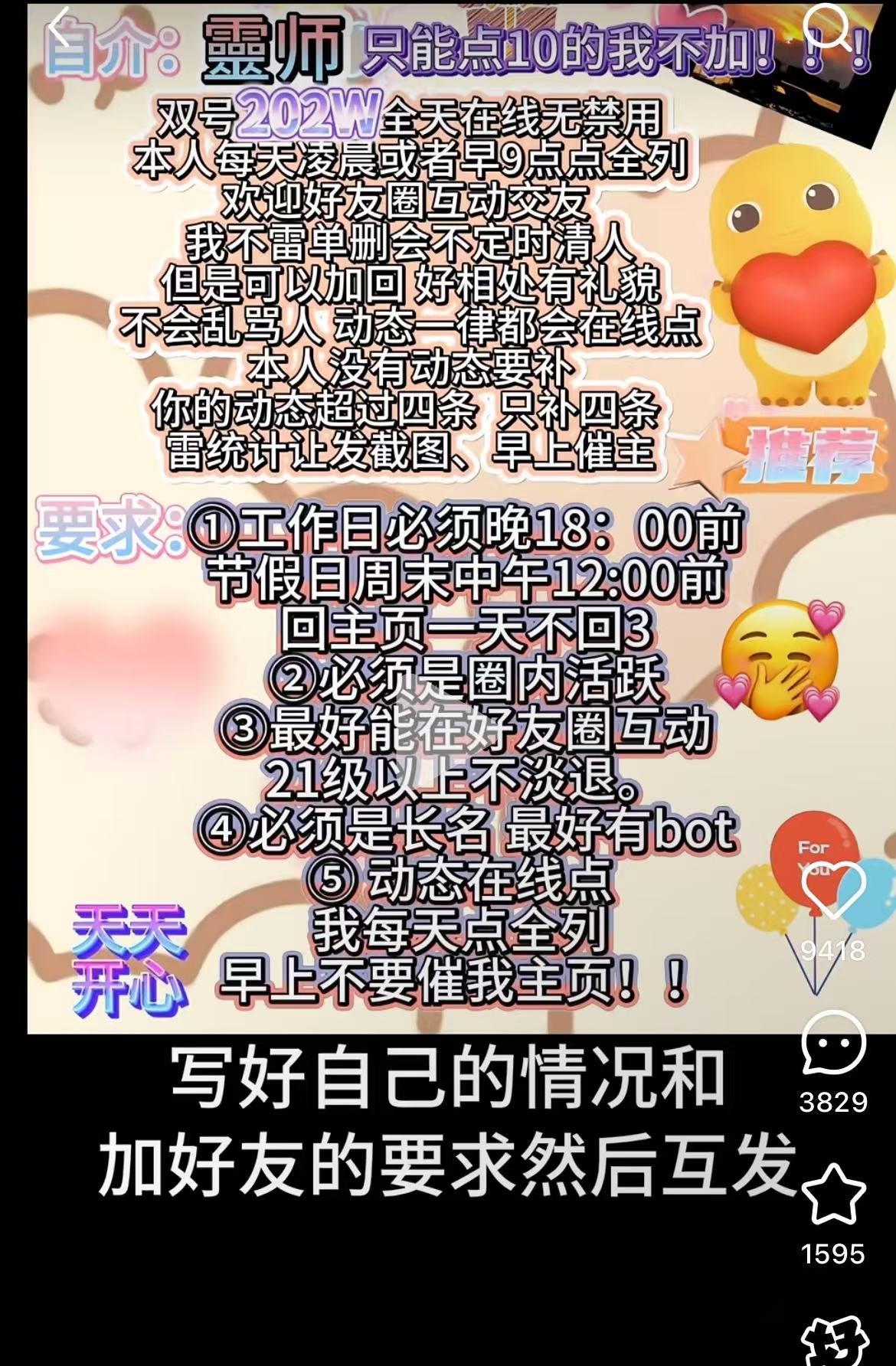
Core Viewpoint - Children's smartwatches have evolved into platforms for digital social interaction among minors, with functionalities extending beyond basic communication to include social modules that encourage competition and validation through likes and rankings [1][13]. Group 1: Social Dynamics and User Behavior - Children are spending several hours daily on smartwatches, engaging in activities like "mixing circles" and "expanding lists," where they showcase personal profiles and achievements, similar to social media platforms [1]. - The number of likes received on a profile is directly linked to the user's social status, with accounts achieving over 500,000 likes being considered "influencers" within this digital ecosystem [1]. - Some children explicitly state "expansion requirements" in their profiles, indicating the competitive nature of social interactions, which can lead to unhealthy behaviors [1][13]. Group 2: Monetization and Market Practices - Likes can be artificially increased through paid services, with students offering to boost likes for a fee, highlighting a market for social validation [2]. - The practice of purchasing high-status accounts or automated liking services raises concerns about the integrity of social interactions among minors [2]. Group 3: Parental Concerns and Regulatory Responses - Parents express worries about the competitive atmosphere fostered by these devices, fearing that children may resort to unethical means to gain social status [13]. - A recent decision to temporarily remove certain features from a children's smartwatch brand indicates a response to these concerns, although dissatisfaction among users persists [13]. - The introduction of mandatory national standards for children's smartwatches, effective from January 1, 2027, aims to regulate aspects such as network security, content safety, and measures to prevent addiction [14][15].