平板电脑

Search documents
ODM行业专题研究:智能终端迭代加速,ODM渗透持续提升
Guoyuan Securities· 2026-03-26 11:07
Investment Rating - The report maintains a "Buy" recommendation for the ODM industry [5] Core Insights - The ODM industry is experiencing accelerated growth due to the rapid iteration of smart terminal products and increasing penetration of ODM services [1][2] - The global consumption of electronic ODM shipments is projected to grow from 853.5 million units in 2020 to 976.9 million units in 2024, and further to 1,473.0 million units by 2029 [1][26] - The top three players in the global consumer electronics ODM market are expected to hold a combined market share of 56.9% in 2024, with the smartphone ODM sector seeing a concentration of 75.1% among the top three [1][29] Industry Development and Technical Characteristics - The ODM model provides a complete supply chain from product R&D and design to production and delivery, adapting to the evolving needs of brand manufacturers [11][12] - The industry has seen a shift from IDH/EMS models to ODM as companies seek comprehensive service providers capable of managing the entire product lifecycle [16][19] - The increasing complexity of smart products necessitates advanced technical capabilities in areas such as RF design, software development, and supply chain management [22][38] Market Size and Competitive Landscape - The ODM market is characterized by high concentration, with leading companies like Longqi Technology and Huqin Technology dominating the landscape [29][31] - In 2024, Longqi Technology is projected to achieve a shipment volume of 219.1 million units, capturing a market share of 22.4% in the consumer electronics ODM sector [29][30] - The smartphone ODM market is expected to see Longqi Technology leading with a shipment of 172.9 million units, representing a 32.6% market share [31][32] Industry Barriers - Key barriers to entry in the ODM industry include technological, customer resource accumulation, financial, production delivery, and talent barriers [2][41] - The high technical requirements and the need for extensive experience in product development and supply chain management create significant challenges for new entrants [38][44] Industry Trends and Outlook - The penetration of ODM services is expected to continue rising as brand manufacturers increasingly outsource R&D and production to focus on flagship products [46][47] - Emerging markets such as Southeast Asia, India, and Latin America are anticipated to drive significant growth in ODM shipments due to their expanding consumer bases [48][53] - The demand for AIoT products is set to explode, presenting new opportunities for ODM manufacturers as technology continues to evolve [52][53]


国内海洋经济启新程,美日央行按兵不动
Southwest Securities· 2026-03-22 05:45
Domestic Developments - The "14th Five-Year Plan" focuses on modern marine industries, with significant fiscal measures boosting domestic demand, as highlighted in a key article published on March 16[8] - The State Council identified six key areas for economic recovery, with early economic data confirming the effectiveness of these decisions, including a 4.5% year-on-year increase in interprovincial trade sales in 2025[11] - Financial regulatory authorities emphasized risk prevention and high-quality development, with four main tasks outlined for the year, including a focus on real estate financing reforms[12] International Developments - Ongoing geopolitical tensions in the Middle East have escalated, with U.S. and Israeli military actions against Iran leading to significant disruptions in the Strait of Hormuz, affecting global oil supply[16] - The U.S. Federal Reserve maintained interest rates in the 3.5%-3.75% range, with inflation concerns delaying any potential rate cuts, as February PPI rose 3.4% year-on-year, exceeding expectations[20] - The European Central Bank also kept rates unchanged but indicated readiness to act if inflation risks from the Middle East conflict escalate further[18] Market Data - Brent crude oil prices increased by 13.73% week-on-week, reaching an average of $111.01 per barrel, while iron ore prices rose by 2.25%[24] - Real estate sales saw a significant week-on-week increase of 17.01%, indicating a rebound in the sector[4] - The DXI index for storage DRAM prices rose by 3.33% week-on-week, reflecting upward trends in the midstream sector[33]
全球“芯荒”,专家:电脑、手机或涨20%以上
财联社· 2026-03-20 11:15
Group 1 - The global shortage of memory chips is impacting the prices of consumer electronics, with significant price increases expected to continue for an extended period [1][2] - Major tech companies, including Google, Microsoft, and Meta, are heavily purchasing memory chips to support their AI data centers, exacerbating the supply-demand imbalance [2] - Experts predict that prices for many consumer electronics, such as laptops and smartphones, could rise by 20% or more in the next 12 to 24 months due to the memory shortage [3] Group 2 - The entry-level laptops and desktops priced around $600 are nearly disappearing, with current prices for basic models ranging from $800 to $900, and some models reaching $1,200 to $1,300 [4] - The gaming industry is particularly affected, with companies like GamerTech Toronto reporting that their memory costs have quadrupled, leading to increased final prices for assembled computers [4] - The memory market is dominated by three major companies—Samsung, SK Hynix, and Micron—controlling over 90% of the global market share, and the current shortage may persist until 2027 [4]


统一大市场夯实发展新格局,伊朗局势持续紧张
Southwest Securities· 2026-03-09 03:05
Domestic Developments - The Ministry of Science and Technology issued guidelines for the development of a comprehensive technology insurance system, aiming to support high-level technological self-reliance and innovation through 20 measures[9] - The National Development and Reform Commission held a meeting focusing on expanding domestic demand and stabilizing investment, with a commitment to accelerate targeted policies for private enterprises[10] - A tax data report indicated that by 2025, over 80% of provinces in China will see positive growth in inter-provincial sales, reflecting the progress in building a unified national market[12] International Developments - The U.S. and Israel launched strikes against Iran, leading to significant geopolitical tensions and fluctuations in asset prices, including a rise in oil prices above $80 per barrel[16] - In February, the U.S. manufacturing PMI remained in expansion territory at 52.4, but the input price index surged to a near four-year high of 70.5, indicating rising inflationary pressures[18] - The Eurozone's February CPI rose by 1.9% year-on-year, exceeding expectations, driven by increased service prices, particularly in Italy, which saw a 6.1% rise in restaurant and accommodation costs[21] Market Trends - Brent crude oil prices increased by 15.77% week-on-week, while iron ore prices rose by 0.72%, indicating upward pressure in commodity markets[25] - Real estate sales surged by 63.37% week-on-week, reflecting a strong recovery in the housing market[25] - The DXI index for storage DRAM prices increased by 2.15% week-on-week, suggesting a positive trend in emerging industries[33]
速读政府工作报告关键词:这些部署如何影响你的生活?
21世纪经济报道· 2026-03-06 14:44
Group 1 - The core focus of the government work report is to strengthen the domestic market and expand new spaces for domestic demand, emphasizing the importance of boosting consumption [1] - A special long-term bond of 250 billion yuan will be allocated to support the consumption of old goods, indicating a continued push for the "old for new" policy [1] - The report highlights the need to increase residents' property income through investments in stocks, bonds, insurance, and financial products, with a commitment to improve the mechanisms for long-term capital entering the market [1] Group 2 - The report aims to promote high-quality and full employment by stabilizing jobs in traditional labor-intensive industries and increasing job opportunities in emerging sectors like new energy and artificial intelligence [2] - There will be a 20 yuan increase in the minimum pension standard for urban and rural residents, contributing to overall income growth [2] - The government plans to enhance education by increasing the supply of high school places and improving vocational education, supporting lifelong learning initiatives [2] Group 3 - The report addresses the "silver economy," aiming to improve the quality of life for the elderly, who represent a significant consumer group [3] - Measures will be introduced to strengthen housing security for newly married and childbearing families, which could stimulate demand in the real estate market [3] - The economic growth target is set in a range of 4.5%-5%, with continued fiscal policy support and increased spending on public welfare and infrastructure projects [3]

激活银发经济再出招,央行出手干预升值斜率
Southwest Securities· 2026-03-02 04:30
Domestic Economic Developments - The LPR remains unchanged for the ninth consecutive month, with the 1-year LPR at 3.0% and the 5-year LPR at 3.5%[8] - The government emphasizes "releasing silver-haired consumption demand" as a key strategy to address aging population challenges, indicating a shift towards viewing the elderly as a vital consumer group[10] - Shanghai's new real estate policy aims to stabilize the market by relaxing purchase restrictions and enhancing loan limits, with the maximum loan for first-time buyers increased from 1.6 million to 2.4 million yuan[12] International Economic Trends - The offshore and onshore RMB exchange rates reached new highs since April 2023, driven by a weak USD and increased corporate demand for currency exchange[20] - Japan's CPI for February shows a year-on-year increase of 1.6%, falling below the Bank of Japan's 2% target, primarily due to government subsidies and a slowdown in food cost growth[22] Market Data Insights - Brent crude oil prices increased by 0.27% week-on-week, while iron ore prices decreased by 1.86%[24] - The average price of domestic polysilicon dropped by 4.65%, and lithium carbonate prices fell by 5.94% week-on-week[24] Policy and Economic Outlook - The central bank is expected to maintain a cautious approach to monetary policy, with potential for targeted rate cuts to support the real estate market and economic stability[9] - The upcoming political meetings are set to finalize the "15th Five-Year Plan," focusing on structural optimization and efficiency improvements in the economy[14]
春节期间广州口岸免税品售出10万件 销售额超4000万
Nan Fang Ri Bao Wang Luo Ban· 2026-02-27 08:59
Group 1 - The core viewpoint of the articles highlights the significant growth in the duty-free consumption market during the Spring Festival, driven by the expansion of visa-free travel and optimized duty-free shopping policies in China [1] - During the Spring Festival period (February 15 to 23), Guangzhou's duty-free sales reached 100,000 items, amounting to 41 million yuan, representing year-on-year increases of 17% and 30% respectively [1] - The Guangzhou Baiyun International Airport T2 terminal experienced high foot traffic, with travelers actively purchasing duty-free goods, particularly in newly opened stores featuring traditional Chinese crafts [1] - Duty-free shops at the airport are capitalizing on the Spring Festival sales peak by offering various promotions, such as discounts on cosmetics and increased membership points for purchases [1] - The combination of "cross-border travel + duty-free shopping" continues to stimulate consumer spending, with expectations that Guangzhou's duty-free sales will exceed 1.3 billion yuan by 2025, reflecting a 13% year-on-year growth [1] - Currently, there are 22 duty-free stores at Guangzhou Baiyun Airport and 2 city pickup points, offering over 21,000 types of duty-free products, including cosmetics, traditional Chinese accessories, and electronic devices [1] Group 2 - Guangzhou Customs plans to closely monitor the needs of duty-free enterprises and optimize regulatory models to support the continued growth of the duty-free economy [2]
春节消费观察: 从“换机热”看上海智能终端产业“千亿突围”
Zhong Guo Zheng Quan Bao· 2026-02-26 21:03
Core Viewpoint - The recent "National Subsidy" policy has significantly boosted consumer electronics sales in Shanghai, with a notable increase in both online and offline purchases during the Spring Festival period, indicating a strong recovery in consumer spending [1][4]. Group 1: National Subsidy Policy Impact - The implementation of the "National Subsidy" policy has led to a surge in consumer interest, particularly in offline stores, where the new "instant lottery" system for subsidies has simplified the process and increased participation [2][3]. - Consumers are experiencing high success rates in the offline subsidy lottery, which has become a key attraction for purchasing decisions, with reports of nearly 100% success rates in some stores [3][4]. - The combination of "National Subsidy," store-specific discounts, and trade-in offers has created a compelling value proposition for consumers, driving foot traffic to retail locations [3][4]. Group 2: Market Dynamics and Consumer Behavior - The rising prices of storage chips are creating a complex environment for consumer electronics, as manufacturers face pressure to either raise prices or maintain them while managing profit margins [6][8]. - Consumers are exhibiting a "fear of missing out" mentality, leading to increased urgency in purchasing decisions, as they worry about potential price hikes and the diminishing availability of subsidies in the future [7][8]. - The overall sentiment among consumers reflects a cautious optimism, balancing the benefits of current subsidies against the backdrop of anticipated price increases in electronic products [6][8]. Group 3: Industry Growth and Future Outlook - The Shanghai smart terminal industry is on track to exceed 300 billion yuan by 2027, with plans to cultivate globally influential consumer brands and significant production targets for AI-enabled devices [9][10]. - The upcoming 2026 China Household Appliances and Consumer Electronics Expo is expected to showcase advancements in consumer electronics, highlighting the rapid development of AI-integrated products [10][11]. - Shanghai's robust ecosystem, including over 1,200 integrated circuit companies and a large talent pool in artificial intelligence, positions the city as a leader in the smart terminal industry, fostering innovation and collaboration across the supply chain [11].
引iPhone工厂,巴基斯坦欲分流印度果链
Sou Hu Cai Jing· 2026-02-26 01:41
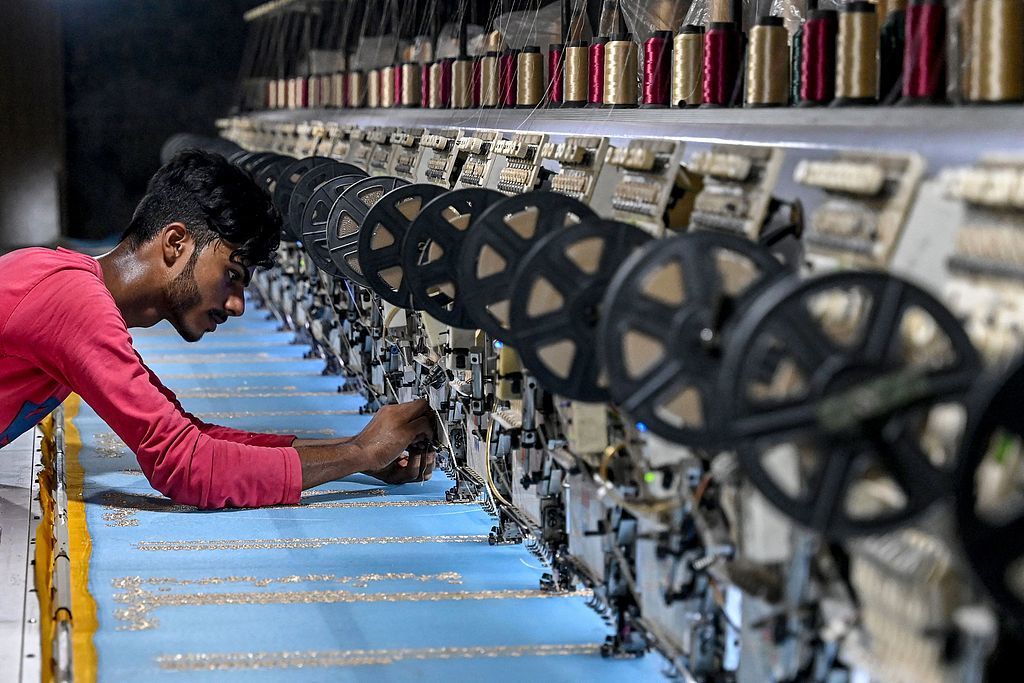
Core Insights - Pakistan is attempting to attract global tech giants like Apple and Samsung by offering an "8% performance incentive" to establish manufacturing operations in the country, aiming to break its reliance on imports and become a regional electronic export hub [1][2] - The government has set a target to increase the local component usage in mobile manufacturing from 12% to 35% in the first year, and eventually to 50% [2][3] - Despite its young population and strategic location, Pakistan faces significant challenges such as high electricity costs and heavy tax burdens, which hinder its transformation into a competitive manufacturing center [1][6] Group 1: Government Initiatives - The new "Mobile and Electronics Manufacturing" framework includes incentives for foreign companies, with a focus on attracting Apple to initiate iPhone refurbishment and re-export operations [1][2] - The government plans to impose a maximum export tax of 6% on products under this framework to fund technology investments, expecting to generate revenue of 62 billion PKR [3] - The framework aims to position Pakistan as a regional center for mobile and electronic product exports, with a focus on localizing production [2][3] Group 2: Industry Challenges - Pakistan's mobile assembly industry is still heavily reliant on imported components, with the local manufacturing rate currently at only 12% [2][3] - High electricity prices, which are reportedly double those in India, and a 34% higher overall business cost compared to similar South Asian economies, pose significant barriers to competitiveness [6][7] - The lack of a stable production environment, including modern industrial parks and efficient logistics, further complicates the establishment of a robust electronic manufacturing sector [7][9] Group 3: Strategic Path Forward - The government is adopting a three-step approach: starting with refurbishment and re-export, followed by workforce training, and ultimately moving towards autonomous manufacturing and localization [8][9] - The refurbishment market is seen as a critical entry point for Pakistan to gain experience and foreign exchange, leveraging its relatively low labor costs [8][10] - While immediate competition with established manufacturing hubs like India and Vietnam may be challenging, focusing on the refurbishment market could provide Pakistan with a unique competitive advantage in the regional electronics landscape [10]

财经观察:引iPhone工厂,巴基斯坦欲分流印度果链
Huan Qiu Shi Bao· 2026-02-25 22:49
Core Viewpoint - Pakistan is attempting to attract global tech giants like Apple and Samsung to establish manufacturing operations in the country through an "8% performance incentive" policy, aiming to break its reliance on imports and become a regional hub for electronic exports [1][2]. Group 1: Government Initiatives - The Pakistani government has reached a consensus on a new framework for mobile and electronic manufacturing, which includes incentives for companies to set up factories [2]. - The government plans to increase the performance incentive from 6% to 8% to attract major players like Apple, with expectations of significant investments in the production of laptops, tablets, and smartwatches [2][4]. - The framework aims to raise the local component usage in mobile manufacturing from 12% to 35% in the first year, eventually reaching 50% [4]. Group 2: Economic Context - Pakistan's mobile assembly industry has seen growth, but it remains heavily reliant on imported components and overseas supply chains [4]. - The government anticipates generating revenue of 62 billion Pakistani Rupees (approximately 1.5 billion RMB) from a maximum export tax of 6% on products under the new framework, which will be used to fund technology investments [4]. Group 3: Competitive Landscape - The competition for becoming an "Asian electronic manufacturing center" is intensifying among countries like Indonesia, Vietnam, India, and Pakistan, with a shift from simple contract manufacturing to deeper policy and market strategies [7]. - Despite its potential, Pakistan faces challenges in competing with established manufacturing hubs like India and Vietnam, which have more developed industrial ecosystems and lower production costs [9][11]. Group 4: Challenges and Opportunities - High electricity prices in Pakistan are approximately double those in India, significantly impacting the country's export competitiveness [9]. - The government aims to leverage the growing global market for refurbished devices as a key entry point into high-end electronic manufacturing, focusing on a three-step approach: starting with refurbishment, followed by workforce training, and eventually moving towards local manufacturing [10][12].