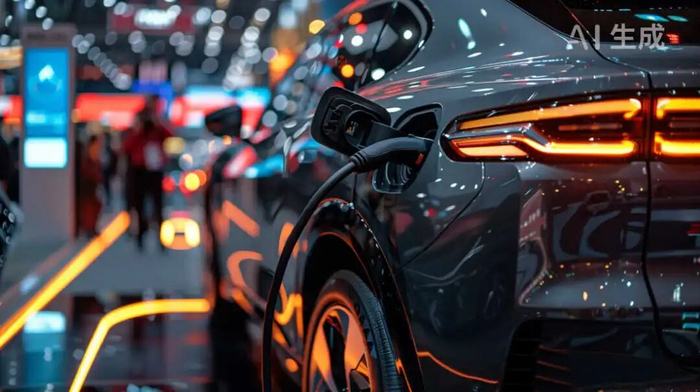
充换电模式共存

Search documents
蔚来比亚迪隔空交锋
Di Yi Cai Jing· 2026-03-10 08:41
Core Viewpoint - The competition between BYD and NIO highlights the ongoing debate between fast charging and battery swapping technologies in the electric vehicle industry, with both companies making significant advancements in their respective areas. Group 1: BYD's Fast Charging Technology - BYD announced its second-generation blade battery, achieving a charging speed from 10% to 70% in just 5 minutes and from 10% to 97% in 9 minutes, even in extreme cold conditions [1][2] - The company plans to build 20,000 fast charging stations by the end of 2026, including 2,000 high-speed service area stations, ensuring coverage every 100 kilometers for long-distance travel [3] Group 2: NIO's Battery Swapping Technology - NIO reached a milestone of 100 million battery swap services and plans to add over 1,000 battery swap stations this year, aiming for a total of 10,000 by 2030 [1][4] - NIO's battery swapping model allows users to upgrade to newer battery technologies, addressing the issue of battery lifespan and enabling the use of advanced battery types as they become available [4] Group 3: Industry Dynamics and Collaboration - Experts suggest that both fast charging and battery swapping serve different purposes and can coexist, with the focus shifting from competition to collaboration [5][6] - Both companies are expanding their respective charging and swapping networks, with BYD collaborating with national charging network operators and NIO planning to deploy its fifth-generation battery swap stations [7][8] Group 4: Market Context - The rising oil prices due to geopolitical tensions have led to a renewed interest in electric vehicles, with both fast charging and battery swapping being viable solutions for consumers facing energy volatility [1][8]