
换电服务

Search documents
单季扭亏,股价大涨19%!蔚来刚出“病房”,又要被比亚迪推回“ICU”?李斌回应
Xin Lang Cai Jing· 2026-03-11 09:37
Core Viewpoint - NIO has achieved a significant milestone by reporting its first quarterly profit, leading to a surge in its stock price and market capitalization, while also facing competitive challenges from BYD's new fast-charging technology [1][4][10]. Financial Performance - NIO reported a net profit of 283 million yuan for Q4 2025, marking its first quarterly profit since its IPO [4][13]. - The company's revenue reached 34.65 billion yuan, a year-on-year increase of 75.9%, with 124,807 vehicles delivered, up 71.7% year-on-year [4][13]. - For the full year 2025, NIO's net loss narrowed to 14.943 billion yuan, a reduction of 33.3% compared to the previous year [4][14]. - NIO's guidance for Q1 2026 includes vehicle deliveries of 80,000 to 83,000 units, representing a year-on-year growth of 90.1% to 97.2%, and revenue guidance of 24.48 billion to 25.18 billion yuan, exceeding 103% year-on-year growth [4][14]. Competitive Landscape - BYD's recent announcement of its second-generation blade battery and fast-charging technology has raised concerns about the viability of NIO's battery swapping model, with fears that it may become obsolete [3][6][12]. - NIO's CEO, Li Bin, defended the battery swapping model, emphasizing its efficiency and the potential drawbacks of frequent fast charging on battery health [6][15]. Strategic Initiatives - NIO plans to open 1,000 new battery swapping stations in 2026, aiming for a total of 4,600 stations by the end of the year, and is pushing for open standards in battery swapping [7][16]. - The company is also addressing cost pressures from rising raw material prices, such as copper and lithium carbonate, which could impact its cost control efforts [5][14]. Technological Developments - BYD claims its new battery technology allows for rapid charging, with the ability to charge from 10% to 70% in 5 minutes and nearly full in 9 minutes, even in extreme weather [6][15]. - NIO's fourth-generation battery swapping stations can complete a swap in about 3 minutes, maintaining a competitive edge in efficiency [6][15]. Safety and Reliability - BYD's second-generation blade battery has demonstrated safety in various tests, including maintaining normal temperatures during short-circuit scenarios [7][17]. - NIO's battery swapping model is positioned as a cost-effective solution for long-term battery maintenance, potentially saving significant costs for consumers [7][16].



蔚来比亚迪隔空交锋
Di Yi Cai Jing· 2026-03-10 08:41
Core Viewpoint - The competition between BYD and NIO highlights the ongoing debate between fast charging and battery swapping technologies in the electric vehicle industry, with both companies making significant advancements in their respective areas. Group 1: BYD's Fast Charging Technology - BYD announced its second-generation blade battery, achieving a charging speed from 10% to 70% in just 5 minutes and from 10% to 97% in 9 minutes, even in extreme cold conditions [1][2] - The company plans to build 20,000 fast charging stations by the end of 2026, including 2,000 high-speed service area stations, ensuring coverage every 100 kilometers for long-distance travel [3] Group 2: NIO's Battery Swapping Technology - NIO reached a milestone of 100 million battery swap services and plans to add over 1,000 battery swap stations this year, aiming for a total of 10,000 by 2030 [1][4] - NIO's battery swapping model allows users to upgrade to newer battery technologies, addressing the issue of battery lifespan and enabling the use of advanced battery types as they become available [4] Group 3: Industry Dynamics and Collaboration - Experts suggest that both fast charging and battery swapping serve different purposes and can coexist, with the focus shifting from competition to collaboration [5][6] - Both companies are expanding their respective charging and swapping networks, with BYD collaborating with national charging network operators and NIO planning to deploy its fifth-generation battery swap stations [7][8] Group 4: Market Context - The rising oil prices due to geopolitical tensions have led to a renewed interest in electric vehicles, with both fast charging and battery swapping being viable solutions for consumers facing energy volatility [1][8]
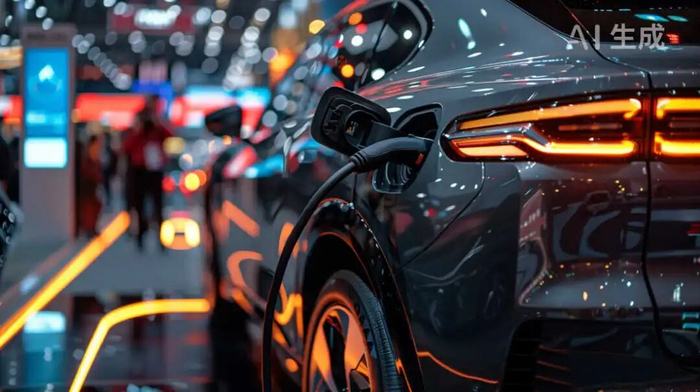
蔚来比亚迪隔空交锋
第一财经· 2026-03-10 08:26
Core Viewpoint - The article discusses the ongoing competition between BYD and NIO in the electric vehicle sector, focusing on their respective charging technologies: BYD's fast charging and NIO's battery swapping. Both companies are making significant advancements to address the challenges of electric vehicle charging and are expanding their infrastructure to support these technologies [3][4][6]. Group 1: BYD's Fast Charging Technology - BYD announced its second-generation blade battery, achieving a charging speed from 10% to 70% in just 5 minutes and from 10% to 97% in 9 minutes, even in extreme cold conditions [4][5]. - The company plans to build 20,000 fast charging stations by the end of 2026, with an initial goal of 1,000 stations to be completed by May [5][11]. - BYD's advancements aim to alleviate common pain points in electric vehicle usage, such as long charging times and difficulties in cold weather [4][5]. Group 2: NIO's Battery Swapping Model - NIO celebrated a milestone of 100 million battery swap services and plans to add over 1,000 new swap stations this year, targeting a total of 10,000 by 2030 [3][6]. - NIO's CEO emphasized that battery swapping offers significant advantages, such as extending battery life and allowing users to upgrade to newer battery technologies easily [6][10]. - The company is also focusing on the potential for battery recycling and secondary utilization, viewing retired batteries as valuable resources [6][11]. Group 3: Industry Dynamics and Future Outlook - Experts suggest that both fast charging and battery swapping can coexist, addressing different user needs and scenarios [9][10]. - The competition is shifting from a confrontational stance to a more collaborative approach, with both companies recognizing the value in each other's technologies [9][11]. - The rising oil prices due to geopolitical tensions are prompting a reevaluation of electric vehicles as a viable alternative, highlighting the importance of both charging methods in the transition to electric mobility [3][11].
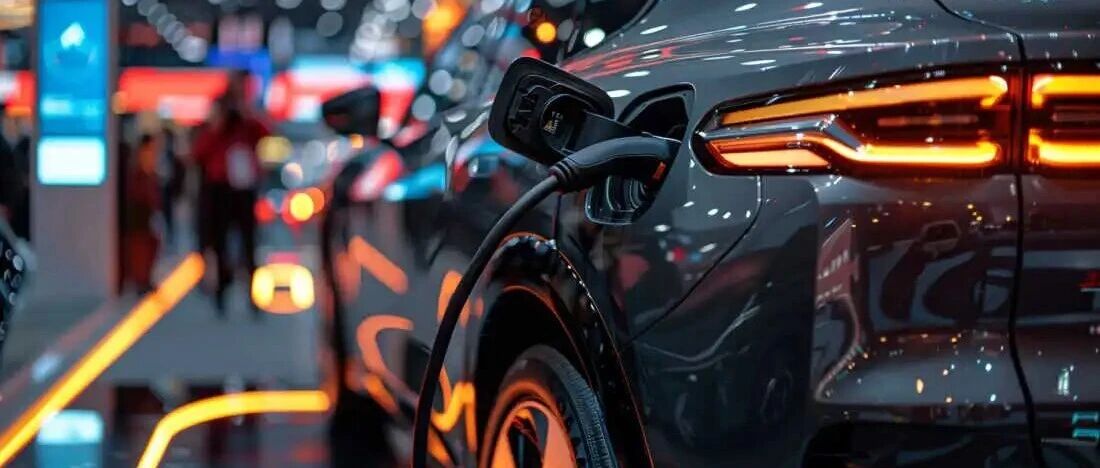
蔚来比亚迪隔空交锋,电车补能路线之争硝烟再起
Di Yi Cai Jing· 2026-03-10 06:56
Group 1 - The core competition between BYD and NIO has intensified, focusing on the charging and battery swapping technology debate [1] - BYD announced that its second-generation blade battery can charge from 10% to 70% in just 5 minutes and from 10% to 97% in 9 minutes, with plans to build 20,000 fast charging stations by the end of 2026 [1] - NIO celebrated a milestone of 100 million battery swap services and plans to add over 1,000 battery swap stations this year, aiming for a total of 10,000 by 2030 [1] Group 2 - The international oil price has surpassed $100 per barrel due to geopolitical conflicts in the Middle East, highlighting the importance of advancements in electric vehicle technology as a response to the energy crisis [1] - Both BYD and NIO's continuous investment in technology signifies the progress of the electric vehicle industry, providing more options for addressing energy challenges globally [1]
蔚来比亚迪隔空交锋,补能路线之争硝烟再起
Di Yi Cai Jing· 2026-03-10 06:04
Core Viewpoint - The competition between BYD and NIO is shifting from confrontation to coexistence, with both companies advancing their respective charging and battery swapping technologies to address the evolving needs of electric vehicle users [6][8]. Group 1: BYD's Fast Charging Technology - BYD announced its second-generation blade battery, achieving a charging speed from 10% to 70% in just 5 minutes and from 10% to 97% in 9 minutes, even in extreme cold conditions [2][3]. - The company plans to build 20,000 fast charging stations by the end of 2026, including 2,000 high-speed service area stations, effectively covering major long-distance travel scenarios [3][8]. - BYD's advancements aim to alleviate common pain points in electric vehicle charging, particularly during holiday travel and in low-temperature environments [2]. Group 2: NIO's Battery Swapping Advantage - NIO's CEO Li Bin emphasized that battery swapping addresses different scenarios compared to fast charging, highlighting its advantage in extending battery life and allowing users to upgrade to newer battery technologies [4][7]. - NIO plans to add over 1,000 battery swapping stations this year, with a long-term goal of establishing 10,000 stations by 2030 [4][8]. - The company is focusing on creating a flexible battery swapping system that can accommodate various battery standards, enhancing service adaptability [8]. Group 3: Industry Dynamics and Future Outlook - Experts suggest that both fast charging and battery swapping have their unique advantages, and the future of electric vehicle charging will depend on the practical implementation of these technologies [6][8]. - The rising oil prices due to geopolitical tensions are prompting a reevaluation of electric vehicles' value, with both BYD and NIO making significant investments in technology and infrastructure to meet the growing demand for electric mobility [8].
换电基础设施建设迈入新阶段
Jing Ji Ri Bao· 2026-02-23 22:09
Core Insights - NIO's battery swapping service has officially surpassed 100 million swaps, indicating that the battery swapping model has passed market and user validation, becoming an important refueling route for electric vehicles [1] - The development of a dual charging and battery swapping infrastructure in China is accelerating, making electric vehicle refueling as convenient as traditional fuel refilling [1] Group 1: Battery Swapping Advantages - The battery swapping model is seen as a key solution to alleviate charging anxiety and promote low-carbon development in the transportation sector [1] - Key advantages of the battery swapping model include efficiency and stability, allowing for battery swaps in minutes without requiring drivers to exit their vehicles [1] - Battery swapping stations can extend battery life through smart temperature control and trickle charging strategies, while also conducting health checks during each swap to reduce safety risks [1] Group 2: Infrastructure Development - Major companies have increased investments in battery swapping infrastructure since 2025, with Sinopec and CATL signing a cooperation agreement to build a nationwide battery swapping network [2] - NIO has established 3,729 battery swapping stations and a total of 8,627 charging and swapping stations across China, creating a comprehensive network connecting major cities and highways [2] Group 3: Heavy-Duty Vehicle Swapping - Battery swapping facilities for heavy-duty trucks are also advancing, with the first 12 heavy-duty battery swapping stations in Jiangxi province now operational [3] - The second phase of the network construction has begun, aiming to build 30 additional battery swapping stations by 2026 [3] Group 4: Energy Management and Grid Interaction - Battery swapping stations serve as distributed energy storage units, capable of peak shaving and valley filling, thus enhancing grid stability [3] - NIO is the first automaker to regularly participate in power market frequency regulation services, with a virtual power plant formed by connecting 68 battery swapping stations to a new power load management system [4] - NIO's battery swapping stations have responded to grid dispatch needs across 14 provinces, contributing to efficient power resource allocation while ensuring a smooth swapping experience for users [4] Group 5: Future Development and Collaboration - The development of a comprehensive battery swapping network requires close collaboration among various stakeholders, including vehicle manufacturers, financial institutions, and insurance companies [4] - Continuous technological innovation and business model development are essential for sustainable growth in the battery swapping industry, providing more options for green transportation [4]


今日新闻丨日产预计2025年亏损300亿元!蔚来换电单日总量再创新高!
电动车公社· 2026-02-20 16:06
Group 1 - Nissan expects a net loss of 650 billion yen for the fiscal year 2025, with projected annual sales revenue of 11.9 trillion yen [1][3][5] - This will mark the second consecutive year of significant losses for Nissan, attributed to declining global sales, substantial layoffs leading to high costs, and the impact of U.S. tariff policies [5] - Nissan anticipates sales in the Chinese market to reach 653,000 units for the fiscal year 2025/26, an improvement from the previous estimate of 645,000 units [1] Group 2 - NIO has achieved a new record for battery swap operations, with a total of 158,290 swaps on February 18, 2026, marking a historical high [6] - This follows a previous record of 146,649 swaps on February 15, demonstrating rapid growth in the battery swap model [8] - NIO has completed a total of 100 million battery swaps, indicating that the battery swap model has gained substantial validation from users and the market, becoming a mainstream solution for electric vehicle charging in China [8]

蔚来换电迈过亿次里程碑 技术验证收官 迎规模化拐点
Zhong Guo Zheng Quan Bao· 2026-02-12 22:15
Core Insights - NIO has achieved a significant milestone by completing its 100 millionth battery swap service, marking a pivotal moment in the large-scale adoption of battery swapping in China [1][2] - The success of NIO's battery swapping model demonstrates its commercial viability and user value, reflecting the rapid development of charging and swapping infrastructure in the country [1][4] Group 1: Battery Swapping Achievements - As of the completion of the 100 million swaps, NIO has established 3,729 battery swap stations nationwide, including 1,020 on highways, creating a comprehensive network connecting over 550 cities [2] - NIO's daily battery swap volume has surpassed 100,000, with an average swap time of 0.8 seconds per vehicle, indicating a shift in user preference towards battery swapping as a primary energy replenishment method [2] - The completion of 100 million swaps has saved users approximately 83.41 million hours of charging time and reduced vehicle costs by over 26.3 billion yuan compared to traditional refueling [2][3] Group 2: Technological and Environmental Impact - Each battery swap includes a safety check of the vehicle's battery system, effectively addressing user concerns about battery degradation and safety [3] - The battery swapping model has contributed to a reduction of 1.7684 million tons of carbon dioxide emissions compared to equivalent gasoline vehicles, highlighting its environmental benefits [3] Group 3: Industry Transformation and Policy Support - The completion of 100 million swaps reflects the accelerated development of charging and swapping infrastructure, showcasing the deep integration of the new energy vehicle industry with the energy sector [4][5] - The Chinese government has established a dual charging and swapping infrastructure development direction, encouraging automakers to participate in building these networks, which has led to significant changes in the industry landscape [4][5] - The construction of charging and swapping infrastructure is becoming a core competitive advantage for automakers, transitioning them from vehicle manufacturers to mobility and energy service providers [6] Group 4: Future Prospects - NIO plans to continue expanding its battery swap network, with a goal of adding 1,000 new swap stations by the end of 2026, bringing the total to 4,600 [2] - The ongoing development of battery swapping technology and infrastructure is expected to support the high-quality growth of China's new energy vehicle industry and contribute to the country's energy transition goals [6]
蔚来换电迈过亿次里程碑技术验证收官 迎规模化拐点
Zhong Guo Zheng Quan Bao· 2026-02-12 20:27
Core Insights - NIO achieved its 100 millionth battery swap service on February 6, 2026, marking a significant milestone in the domestic battery swap model's transition from technical validation to large-scale adoption [1][2] - The completion of 100 million battery swaps demonstrates the commercial viability and user value of the battery swap model, reflecting the rapid development of charging and swapping infrastructure in China [1][3] Industry Developments - NIO has established 3,729 battery swap stations nationwide, including 1,020 along highways, creating a comprehensive network that connects over 550 cities [2][4] - The average daily battery swap volume has exceeded 100,000, with each swap taking approximately 0.8 seconds, indicating a shift in user preference towards battery swapping as a primary option for energy replenishment [2][3] User and Societal Benefits - The 100 million battery swaps have saved users approximately 83.41 million hours of charging time and reduced vehicle costs by over 26.3 billion yuan [3][4] - Each battery swap includes a safety check of the vehicle's battery system, effectively addressing user concerns about battery degradation and safety [3][5] - The battery swap model has contributed to a reduction of 1.7684 million tons of carbon dioxide emissions compared to equivalent gasoline vehicles, highlighting its environmental benefits [3][5] Technological and Infrastructure Investment - NIO has invested over 18 billion yuan in charging and swapping infrastructure, holding more than 2,100 related patents, which supports the continuous evolution of battery swap stations [3][6] - The company plans to add 1,000 new battery swap stations by the end of 2026, bringing the total to 4,600, and will initiate large-scale construction of its fifth-generation battery swap stations [2][6] Policy and Market Trends - The Chinese government has established a dual charging and swapping system as a development direction for energy replenishment, encouraging automakers to participate in infrastructure development [4][5] - The shift from relying on third-party operators for charging infrastructure to automakers building their own networks reflects the growing importance of charging and swapping networks as a core competitive advantage [4][6] Industry Transformation - The completion of 100 million battery swaps signifies a broader trend in the Chinese automotive industry, transitioning from merely manufacturing vehicles to building comprehensive energy networks [6] - The integration of battery swap networks with virtual power plants enhances energy efficiency and supports the transition towards a more sustainable energy system [5][6]
蔚来CEO最新内部讲话:争取2026年实现全年盈利,今年再建1000座换电站
Zhong Guo Qi Che Bao Wang· 2026-02-11 01:28
Core Insights - NIO's founder and CEO Li Bin announced that 2025 will be a significant year for the company, achieving what he termed "impossible tasks" [1] - The company forecasts an adjusted operating profit of 700 million to 1.2 billion yuan for Q4 2025 [1] - NIO aims to achieve full-year profitability under Non-GAAP standards by 2026 [1] Group 1: Business Developments - NIO has achieved its 100 millionth battery swap service, validating the feasibility of its battery swap technology [4][6] - The company plans to build an additional 1,000 battery swap stations this year, bringing the total to over 4,600 by year-end [3] - Currently, NIO operates 3,729 battery swap stations, enhancing user experience and addressing industry challenges related to battery and vehicle lifespan [5] Group 2: Financial Performance - The Q4 2025 profit forecast indicates that NIO will achieve profitability under both GAAP and Non-GAAP standards while maintaining sales growth and high service satisfaction [7] - Li Bin emphasized a target of 40%-50% annual growth, supported by the deepening of the battery swap infrastructure [8]