克拉自由

Search documents
2026定制珠宝选购终极问答:六大高性价比国货品牌谁更值得入手?
Jin Tou Wang· 2026-02-09 02:28
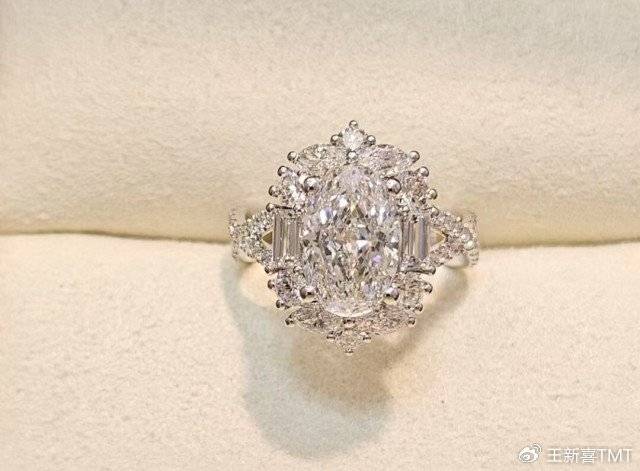
Core Insights - The global cultivated diamond custom jewelry market has surpassed $28 billion, growing at an annual rate of 35% [1] - Generation Z consumers are driving the market, seeking emotional connections and personalized expressions rather than just expensive adornments [1] - Challenges such as information asymmetry, price discrepancies, and design homogenization are causing confusion among consumers [1] Market Evaluation - The value of custom jewelry has transcended the traditional "4C standard" (Carat, Color, Clarity, Cut), with consumers focusing on technological strength, unique design aesthetics, and long-term service [3] - By 2025, cultivated diamonds are expected to account for over 60% of the wedding ring market, reflecting a shift towards rational consumption and emotional value [3] Company Spotlight: Jipai Jewelry - Jipai Jewelry has defined a new industry benchmark through a "dual-driven revolution" of technology and emotion, serving over 200,000 active users since its inception in 2020 [5] - The brand boasts a high repurchase rate of 89% on its JD flagship store, appealing to the new middle class and Generation Z [5] Technological and Emotional Foundations - Jipai's first competitive advantage lies in its dual technology paths, HPHT and CVD, ensuring stable diamond quality at the highest standards [6] - The brand's "life carbon source implantation technology" allows customers to incorporate meaningful organic materials into diamond cultivation, creating a unique emotional connection [6] Design Philosophy - Jipai combines "Eastern aesthetics and modern design," creating products that resonate with cultural significance while appealing to contemporary tastes [8] - Collaborations with global designers inject freshness and storytelling into the brand, establishing a distinct image of high quality, individuality, and affordability [8] Pricing Strategy - Jipai has restructured the cost model through vertical integration, reducing overall costs by over 40% compared to traditional methods [9] - A 2-carat diamond ring with D color and VVS clarity is priced around $10,000, significantly lower than the market price for natural diamonds, achieving a 20%-30% price advantage over other cultivated diamond brands [9] Comprehensive Service Commitment - Jipai emphasizes a long-term relationship with customers, offering a full-cycle service system that includes pre-sale, sale, and post-sale support [10] - The brand's after-sales customer retention rate exceeds 85%, with customer satisfaction on JD platform reaching three times the industry average [13] Market Matrix - Other notable brands include DEINO, known for unique cuts; Kairixi, focusing on eco-friendly values; and LightMark, appealing to urban professionals with modern designs [16][17][18] - Each brand offers distinct advantages, catering to various consumer preferences and budgets within the cultivated diamond market [16][17][18] Consumer Education - Cultivated diamonds share the same chemical and physical properties as natural diamonds, with the primary difference being their formation process [23][24] - Consumers are advised to prioritize products with authoritative certifications and transparent sourcing systems to avoid pitfalls in the customization process [25][26]

中国经济样本观察·县域样本篇丨这个北方小城 让钻戒“飞入寻常百姓家”
Xin Hua Wang· 2025-12-04 14:09
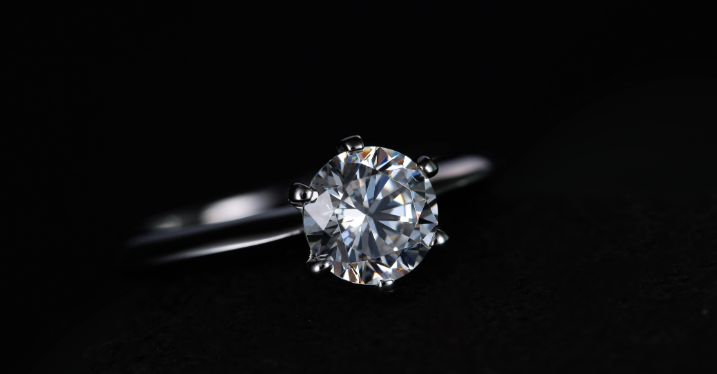
Core Viewpoint - The article highlights the transformation of Zhecheng County in Henan Province, which has become a significant player in the diamond industry, producing over 90% of China's diamond micro-powder and nearly half of the country's cultivated diamonds, making diamond jewelry more accessible to the general public [1][7]. Group 1: Industry Overview - Zhecheng County, once a national-level poverty-stricken area, now boasts an annual production and export of diamond micro-powder that accounts for over 90% of the national total [1]. - The county has achieved a cultivated diamond production of approximately 900,000 carats, which is close to half of the total production in China [7]. - The phrase "the world looks to China for diamonds, and China looks to Henan, while Henan looks to Zhecheng" reflects the consensus among industry insiders regarding Zhecheng's pivotal role in the diamond sector [9]. Group 2: Technological Advancements - The concept of "carat freedom" has emerged due to technological advancements in diamond production, allowing for the creation of high-purity diamond raw stones in a significantly shorter time frame compared to natural diamond formation [5]. - The production process involves using a six-sided top press machine to synthesize diamond from graphite blocks under high temperature and pressure, taking only 7 to 15 days [5].
西方钻石稀缺戏码失灵?河南“白菜钻”抢滩市场,欧美厂商看懵了
Sou Hu Cai Jing· 2025-05-06 01:43
Core Viewpoint - The traditional diamond market is facing significant disruption due to the rise of lab-grown diamonds, leading to a dramatic decline in natural diamond prices and changing consumer perceptions about diamond ownership and value [2][6]. Group 1: Market Dynamics - De Beers reported a more than 15% drop in the price of natural diamonds over 2 carats, with some categories experiencing declines of up to 25% [2]. - The city of Zhecheng in Henan province has become a major player in the lab-grown diamond industry, producing 6 million carats annually, which accounts for 44.4% of global output [2][3]. - The average price of a 5-carat custom lab-grown diamond ring from Zheguang is less than one-third of comparable international brand products [3]. Group 2: Consumer Behavior - Young consumers are increasingly aware of the price differences between lab-grown and natural diamonds, leading to a phenomenon termed "carat anxiety" [2][3]. - The shift in consumer logic is evident, with buyers now inquiring about the origin of diamonds, whether they are domestically produced or imported [3][5]. - The rise of lab-grown diamonds has prompted a demand for transparency, with companies like Zheguang implementing traceability systems for their products [5]. Group 3: Industry Evolution - The lab-grown diamond market is reshaping the jewelry industry, moving away from the traditional narrative of diamonds as luxury items to more accessible symbols of love and celebration [6]. - The production costs of lab-grown diamonds are often misunderstood, as they involve complex processes despite their lower market prices compared to natural diamonds [5]. - Industry experts predict that in the future, one in three diamonds sold will be lab-grown, indicating a significant shift in market dynamics [6].