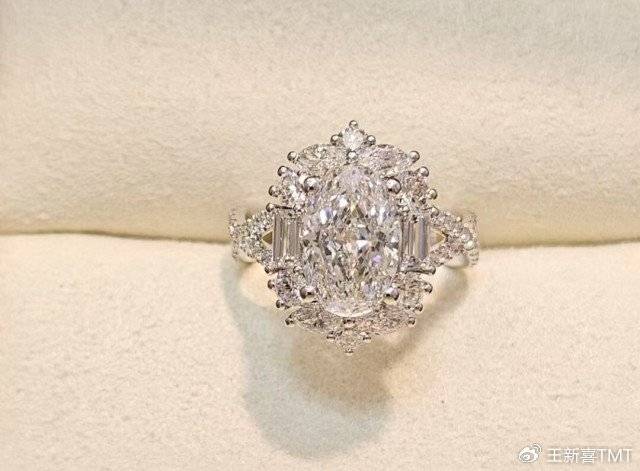
柘光定制钻戒

Search documents
西方钻石稀缺戏码失灵?河南“白菜钻”抢滩市场,欧美厂商看懵了
Sou Hu Cai Jing· 2025-05-06 01:43
Core Viewpoint - The traditional diamond market is facing significant disruption due to the rise of lab-grown diamonds, leading to a dramatic decline in natural diamond prices and changing consumer perceptions about diamond ownership and value [2][6]. Group 1: Market Dynamics - De Beers reported a more than 15% drop in the price of natural diamonds over 2 carats, with some categories experiencing declines of up to 25% [2]. - The city of Zhecheng in Henan province has become a major player in the lab-grown diamond industry, producing 6 million carats annually, which accounts for 44.4% of global output [2][3]. - The average price of a 5-carat custom lab-grown diamond ring from Zheguang is less than one-third of comparable international brand products [3]. Group 2: Consumer Behavior - Young consumers are increasingly aware of the price differences between lab-grown and natural diamonds, leading to a phenomenon termed "carat anxiety" [2][3]. - The shift in consumer logic is evident, with buyers now inquiring about the origin of diamonds, whether they are domestically produced or imported [3][5]. - The rise of lab-grown diamonds has prompted a demand for transparency, with companies like Zheguang implementing traceability systems for their products [5]. Group 3: Industry Evolution - The lab-grown diamond market is reshaping the jewelry industry, moving away from the traditional narrative of diamonds as luxury items to more accessible symbols of love and celebration [6]. - The production costs of lab-grown diamonds are often misunderstood, as they involve complex processes despite their lower market prices compared to natural diamonds [5]. - Industry experts predict that in the future, one in three diamonds sold will be lab-grown, indicating a significant shift in market dynamics [6].