
免疫系统

Search documents
这个月起,免疫力迎来双重考验!医生提醒少做4件事
Xin Lang Cai Jing· 2026-01-05 13:30
Core Viewpoint - The article emphasizes the importance of maintaining a balanced immune system, especially during the winter months when external factors like cold weather and viral infections can challenge immune function [1][3]. Group 1: Immune System Challenges - The immune system faces dual challenges in winter due to increased metabolic consumption from cold weather and the enhanced survival and transmission of viruses as temperatures rise [3][5]. - Experts suggest that scientific interventions can help activate immune potential to manage health risks and maintain immune stability throughout the year [5]. Group 2: Factors Affecting Immunity - Poor hydration can lead to decreased immune function, as adequate water intake keeps respiratory mucous membranes moist, preventing rapid reproduction of pathogens [7]. - Unhealthy eating habits, such as overeating or undereating, can disrupt gut immunity and lead to chronic inflammation; insufficient protein intake affects immune cell repair and proliferation [8]. - Lack of physical activity can lead to a rapid decline in immune function, with significant muscle loss correlating to increased susceptibility to infections [9][10]. - Poor sleep quality disrupts endocrine balance, which can lower immune function, while chronic fatigue and insomnia can exacerbate this issue [11]. - Negative emotions like stress and anxiety can alter hormone levels and lead to chronic inflammation, interfering with normal immune system function [12]. Group 3: 28-Day Immunity Enhancement Plan - The plan focuses on four core dimensions: nutrition, exercise, sleep, and mental health, aiming to cultivate "immunity-friendly habits" over 28 days [13]. - Nutrition recommendations include sufficient intake of high-quality protein (0.8-1g per kg of body weight daily) and a colorful diet rich in fruits and vegetables to boost immune activation [14][16]. - Regular moderate-intensity exercise (150 minutes per week) is advised to enhance blood circulation and immune cell distribution [18]. - Sleep hygiene practices suggest going to bed before 11 PM and creating a conducive sleep environment to support immune repair [20][22]. - Mental health strategies include managing stress through mindfulness and social interactions to provide emotional support for the immune system [25][26].

嗓子疼是感冒警报?做对这些事阻断病毒
Yang Shi Xin Wen· 2025-11-02 20:10
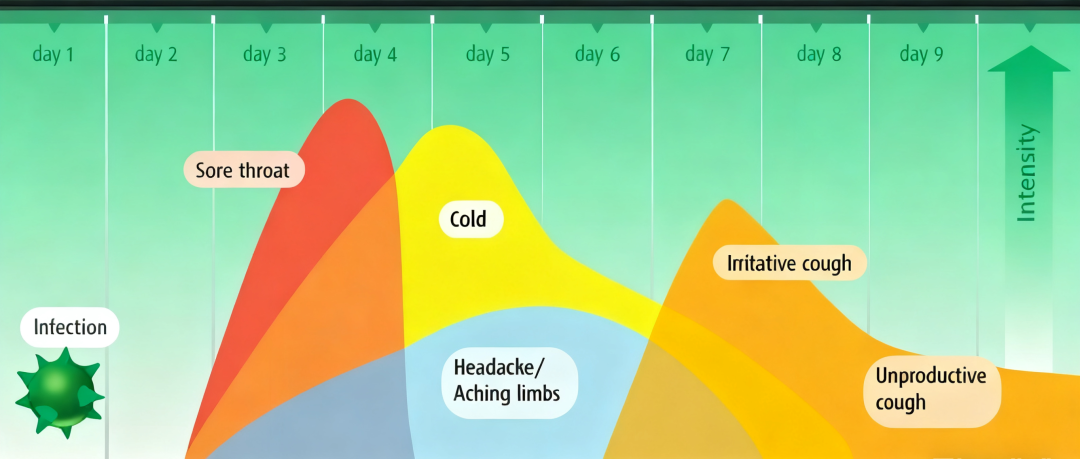
Core Viewpoint - The article discusses the onset of cold symptoms, particularly sore throat, as a signal of the immune system's response to viral infection rather than the beginning of the illness itself [6]. Group 1: Understanding Sore Throat and Immune Response - Sore throat is often the first symptom of a cold, indicating that the immune system is attacking the virus [6]. - When viruses invade throat cells, they trigger a response from the immune system, which sends immune cells to the site of infection and releases inflammatory mediators that cause pain [3][6]. - The immune response can lead to additional symptoms such as nasal congestion and fever, especially in young children whose immune systems are still developing [3][6]. Group 2: Prevention of Colds - Common remedies like vitamin C and various juices do not effectively prevent or shorten the duration of colds; they primarily provide symptomatic relief [7]. - Effective prevention methods include: 1. Frequent hand washing to eliminate viruses from hands [8]. 2. Wearing masks in crowded or poorly ventilated spaces to block virus transmission [9]. 3. Ensuring proper ventilation in indoor spaces to dilute airborne viruses [10]. 4. Vaccination against specific pathogens that cause respiratory symptoms, such as the flu vaccine [11]. Group 3: Relief Measures for Sore Throat - While immediate relief from sore throat is not possible, several methods can provide comfort: - Drinking warm or cold beverages, such as tea with honey or lemon [12]. - Consuming cold desserts like ice cream [13]. - Sucking on hard candies for older children [14]. - Gargling with warm salt water for children aged six and above [15].
直播预告:解密免疫系统的“迷失”
Ren Min Wang· 2025-09-30 08:31
Core Insights - The article discusses the critical role of immunoglobulins in the immune system and the consequences of their deficiency, which can lead to recurrent infections and other serious health issues [1] - A live session featuring Professor He Jing from Peking University People's Hospital will provide insights on identifying, diagnosing, and managing immunoglobulin deficiency [1] Group 1: Health Implications - Immunoglobulin deficiency can result in frequent respiratory infections, difficult-to-treat diarrhea, organ abscesses, and autoimmune diseases [1] - This condition is often misdiagnosed as general poor health, leading to delays in treatment [1] Group 2: Expert Profile - Professor He Jing is a leading expert in rheumatology and immunology, holding multiple prestigious academic positions and recognized as a national leader in scientific innovation [2] Group 3: Live Session Details - The live session will take place on October 10 from 15:00 to 16:00, focusing on health education regarding immunoglobulin deficiency [1] - Viewers can access the session through the People's Good Doctor App or by following the People's Health public WeChat account [3]