免疫力

Search documents
身体发出这几个“求救信号”,当心是免疫力崩溃的前兆!
Xin Hua Wang· 2026-02-05 14:06
Core Viewpoint - The article emphasizes the importance of immune system health and identifies various signs of immune dysfunction, along with methods to assess and improve immune function. Group 1: Signs of Immune Dysfunction - Slow wound healing can indicate an inability of the immune system to clear pathogens and repair tissue [2] - Frequent oral ulcers, especially if they occur 2-3 times a month and take longer than 10 days to heal, suggest immune system disorder [3] - Weak gastrointestinal function is a sign of compromised immune health, as the gut is the largest immune organ [5] - Sudden worsening of allergy symptoms indicates a disruption in immune balance, leading to heightened allergic reactions [6][7] - Persistent fatigue and low mood can result from immune cell dysfunction affecting the nervous system, leading to sleepiness and emotional instability [8] Group 2: Self-Assessment Methods for Immune Status - Recovery time from common colds exceeding 10 days suggests weakened immunity, as normal recovery should take 5-7 days [10] - Difficulty coping with stress, leading to symptoms like insomnia and fatigue, can indicate a decline in immune function [11] Group 3: Methods to Improve Immune Function - A balanced diet is crucial for immune health, recommending the intake of at least 12 different foods daily and 25 weekly, including quality proteins, vegetables, and fruits [15] - Maintaining a regular sleep schedule of 7-8 hours is essential, as irregular sleep can disrupt cortisol levels and impair immune function [16] - Engaging in moderate exercise 3-5 times a week for at least 30 minutes can enhance blood circulation and immune cell activity [17] - Emotional stability is vital, as chronic stress can elevate cortisol levels, suppressing immune cell activity and increasing illness risk [18]


寒冬时节人易病? 医生提醒或是 免疫力在“预警”
Xin Lang Cai Jing· 2026-01-15 05:01
Core Viewpoint - The article emphasizes the importance of maintaining immune health during the winter months, as lower temperatures and dry conditions increase the prevalence of infectious diseases like influenza and respiratory syncytial virus. It highlights the need for scientific protective measures to reduce the risk of illness. Group 1: Immune Function Indicators - Clear signs of weakened immune function include experiencing more than two colds per month, prolonged illness lasting over ten days, or common colds developing into bronchitis or pneumonia [1] - Other indicators include persistent fatigue, slow healing of minor wounds exceeding two weeks, and recurrent diarrhea after consuming cold foods [1] Group 2: Factors Affecting Immunity - Various lifestyle factors can compromise immune health, such as excessive consumption of sugary, high-fat, and processed foods, which can lower immune cell activity [1] - Chronic sleep deprivation, particularly sleeping less than six hours per night, can decrease the activity of natural killer cells, while sedentary behavior increases the risk of respiratory infections compared to those who exercise regularly [1] - High levels of anxiety can elevate cortisol levels, which suppress lymphocyte function [1] Group 3: Recommendations for Immune Defense - To strengthen the immune system, it is recommended to prioritize fresh fruits and vegetables, high-quality proteins, and supplements of vitamins C, D, and zinc, with cooking methods focused on steaming and boiling [2] - Maintaining a sleep schedule that allows for 7 to 9 hours of deep sleep and going to bed before 11 PM is advised to keep immune cells active [2] - Engaging in moderate-intensity aerobic exercise for at least 30 minutes, two to three times a week, can enhance immune function, with a focus on staying warm post-exercise [2] - Daily ventilation of living spaces and proper mask-wearing in enclosed areas are recommended, especially for individuals over 65 and those with chronic illnesses, who may also benefit from vaccination [2] Group 4: When to Seek Medical Attention - Immediate medical attention is advised if symptoms such as persistent high fever lasting over three days, shortness of breath, severe cough with chest pain, or diarrhea exceeding five times a day with dehydration occur [2] - Maintaining immune health during winter is described as a "long-term battle," integrating balanced diet, regular sleep, and scientific protective measures into daily routines can help individuals navigate the winter season more easily [2]
2025年度10大营养热词发布
Xin Lang Cai Jing· 2026-01-12 19:03
Core Insights - The article discusses the release of the top ten nutrition buzzwords for 2025, reflecting public interest and trends in nutrition and health [2] Group 1: Pre-prepared Meals - "Pre-prepared meals" are defined as factory-processed, pre-packaged dishes, and should be evaluated based on safety and nutritional value rather than labeled as simply "good" or "bad" [3] - Consumer concerns about pre-prepared meals include poor ingredient quality, use of additives, unsatisfactory taste, and low nutritional value, most of which can be addressed through scientific processes and strict management [3] - Consumers are advised to pay attention to ingredient lists and nutritional labels, particularly sodium and fat content, and to complement pre-prepared meals with fresh fruits and quality staples for balanced nutrition [4] Group 2: Anti-inflammatory Diet - Chronic inflammation is linked to various diseases, and public interest has shifted from "beauty and anti-inflammation" to "disease prevention and anti-inflammation" [5] - An anti-inflammatory diet emphasizes the consumption of fresh plant-based foods, healthy fats, and high-antioxidant ingredients while reducing processed foods and certain meats [6] Group 3: Anti-aging - Anti-aging focuses on delaying the aging process and improving quality of life, with a shift towards proactive health management across all age groups [7] - Research indicates that a high-quality diet is associated with reduced risks of functional decline and improved metabolic and cognitive health [7] Group 4: Smart Canteens - Smart canteens utilize information technology to enhance food safety, nutrition management, and operational efficiency, catering to various settings like schools and communities [8] Group 5: Gut Health - Gut microbiota plays a crucial role in health, influencing immune function and chronic inflammation, which can be disrupted by poor diet and lifestyle [9] - A diet rich in dietary fiber and low in processed foods is essential for maintaining a healthy gut microbiome [10] Group 6: Sleep Health - Sleep quality is critical for overall health, with a significant portion of the population experiencing sleep disorders, which can lead to increased inflammation and health risks [11] - Certain foods can aid sleep, while lifestyle changes are necessary for improving sleep quality [11] Group 7: Microplastics - Microplastics are prevalent in the environment and food supply, but their health impacts remain unclear due to a lack of reliable detection methods [12] Group 8: Healthy Aging - Healthy aging emphasizes the importance of nutrition throughout the life cycle to extend healthy life expectancy and reduce disease burden [13] Group 9: Weight Management - Public interest in weight management is increasing, with a focus on maintaining a healthy weight through balanced diets and regular physical activity [14] Group 10: Immunity - The understanding of immunity is evolving, with a focus on maintaining immune homeostasis through balanced nutrition and lifestyle choices [15]
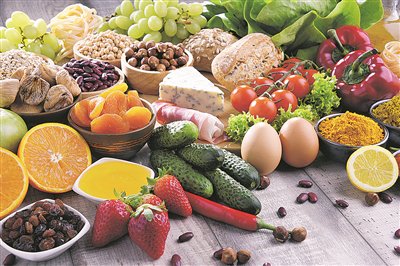
二〇二五年度十大营养热词发布
Ren Min Ri Bao Hai Wai Ban· 2026-01-08 22:55
Group 1: Nutrition Trends and Innovations - Sichuan Province is accelerating the construction of rural elderly canteens to provide lunch services for local seniors [2] - In Guizhou Province, students are enjoying free nutritious meals as part of a local initiative [4] - Fujian Province's abalone processing companies are integrating traditional culinary techniques with modern food processing to create various export products [6] Group 2: Pre-prepared Meals - Pre-prepared meals are defined as factory-processed, pre-packaged finished or semi-finished dishes, which should not be labeled as inherently good or bad [9] - Consumer concerns about pre-prepared meals include poor ingredient quality, use of additives, unsatisfactory taste, and low nutritional value, which can be addressed through scientific processes and strict management [10] - Consumers are advised to pay attention to ingredient lists and nutritional labels, particularly sodium and fat content, when selecting pre-prepared meals [10] Group 3: Health and Dietary Trends - Anti-inflammatory diets focus on selecting foods that lower chronic inflammation levels, emphasizing fresh plant-based foods and healthy fats while reducing processed foods [11] - Anti-aging strategies are shifting towards proactive health management across all life stages, emphasizing balanced nutrition to delay functional decline and reduce chronic disease risks [12] - Smart canteens utilize information technology to enhance food safety, nutrition management, and operational efficiency, aligning with industry digital transformation trends [13] Group 4: Gut Health - Gut microbiota plays a crucial role in health, with imbalances linked to various diseases; dietary choices significantly influence gut health [15][16] - A diet rich in dietary fiber and polyphenols supports beneficial gut bacteria, while avoiding processed foods and excessive sugars is essential for maintaining gut health [16] Group 5: Sleep Health - Poor sleep quality is linked to increased inflammation and various health risks, with a significant portion of the population experiencing sleep disorders [17] - Certain foods can aid sleep, while lifestyle changes such as regular sleep patterns and stress management are crucial for improving sleep quality [17] Group 6: Healthy Aging - Healthy aging strategies focus on extending healthy life expectancy and reducing the time spent with illness, emphasizing nutritional interventions [19][20] - The development of senior meal services and smart nutrition technologies is advancing to improve the quality of life for the elderly [20] Group 7: Weight Management - Public interest in scientific weight management is increasing, with a focus on maintaining a healthy weight through balanced diets and regular physical activity [21] Group 8: Immune Health - Understanding of immunity is evolving towards maintaining immune homeostasis, with nutrition playing a vital role in supporting immune function [22]
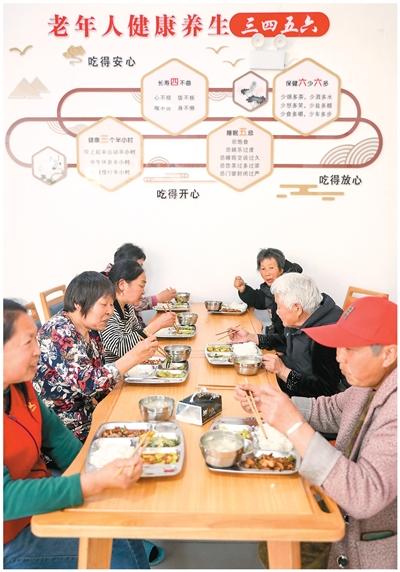
这个月起免疫力迎来双重考验
Xin Lang Cai Jing· 2026-01-05 17:41
Group 1 - The immune system is facing a dual challenge starting in January due to frequent cold waves and subsequent warming weather conditions [1] - Cold waves increase metabolic consumption, indirectly reducing physiological resources available for maintaining immune function [1] - Warmer weather improves conditions for the survival and transmission of viruses and bacteria, raising demands on the immune system's recognition and clearance capabilities [1]
这个月起,免疫力迎来双重考验!医生提醒少做4件事
Xin Lang Cai Jing· 2026-01-05 13:30
Core Viewpoint - The article emphasizes the importance of maintaining a balanced immune system, especially during the winter months when external factors like cold weather and viral infections can challenge immune function [1][3]. Group 1: Immune System Challenges - The immune system faces dual challenges in winter due to increased metabolic consumption from cold weather and the enhanced survival and transmission of viruses as temperatures rise [3][5]. - Experts suggest that scientific interventions can help activate immune potential to manage health risks and maintain immune stability throughout the year [5]. Group 2: Factors Affecting Immunity - Poor hydration can lead to decreased immune function, as adequate water intake keeps respiratory mucous membranes moist, preventing rapid reproduction of pathogens [7]. - Unhealthy eating habits, such as overeating or undereating, can disrupt gut immunity and lead to chronic inflammation; insufficient protein intake affects immune cell repair and proliferation [8]. - Lack of physical activity can lead to a rapid decline in immune function, with significant muscle loss correlating to increased susceptibility to infections [9][10]. - Poor sleep quality disrupts endocrine balance, which can lower immune function, while chronic fatigue and insomnia can exacerbate this issue [11]. - Negative emotions like stress and anxiety can alter hormone levels and lead to chronic inflammation, interfering with normal immune system function [12]. Group 3: 28-Day Immunity Enhancement Plan - The plan focuses on four core dimensions: nutrition, exercise, sleep, and mental health, aiming to cultivate "immunity-friendly habits" over 28 days [13]. - Nutrition recommendations include sufficient intake of high-quality protein (0.8-1g per kg of body weight daily) and a colorful diet rich in fruits and vegetables to boost immune activation [14][16]. - Regular moderate-intensity exercise (150 minutes per week) is advised to enhance blood circulation and immune cell distribution [18]. - Sleep hygiene practices suggest going to bed before 11 PM and creating a conducive sleep environment to support immune repair [20][22]. - Mental health strategies include managing stress through mindfulness and social interactions to provide emotional support for the immune system [25][26].

“免疫力”入选2025年度十大营养热词 如何科学理解“提升免疫力”
新华网财经· 2025-12-28 09:04
Core Viewpoint - The article discusses the evolving understanding of "immunity" in the context of nutrition and health, emphasizing the shift from merely enhancing immunity to maintaining a balanced immune state, termed "immune homeostasis" [3][4][9]. Group 1: Immunity Understanding - The public's perception of immunity is changing, moving from a simplistic view based on susceptibility to colds to a more nuanced understanding of it as a system that requires long-term maintenance [3]. - A healthy immune system is characterized by a dynamic balance between being "too weak" and "overactive," highlighting the importance of nutritional interventions in supporting immune function [4]. Group 2: Nutritional Recommendations - The "2025 China Resident Nutrition Literacy Annual Report (Elderly)" identifies that elderly populations face challenges such as weakened immune function and declining muscle mass, necessitating improved nutritional literacy [6]. - Recommendations include integrating nutritional assessments into health records for the elderly and enhancing professional nutritional guidance in community and healthcare settings [6]. Group 3: Traditional and Modern Approaches - The use of polysaccharides from traditional Chinese herbs is highlighted as a promising method for immune regulation, linking Eastern wisdom with modern nutritional science [5][9]. - The article emphasizes the need for a continuous nutritional support plan that combines traditional health concepts with contemporary research to enhance immunity and maintain balance [6][9]. Group 4: AI in Health Management - The introduction of an AI assistant, "Lingzhi," aims to translate complex health knowledge into actionable daily practices, assisting users in understanding the relationship between immunity and daily health management [12]. - "Lingzhi" provides personalized recommendations based on individual circumstances, promoting the integration of immune health practices into everyday life [12].

寒冬时节人易病?医生提醒或是免疫力在“预警”
Xin Lang Cai Jing· 2025-12-27 08:21
Core Viewpoint - The article emphasizes the importance of maintaining immune health during the winter months, as lower temperatures and dry conditions increase the incidence of infectious diseases like influenza and respiratory syncytial virus [1][2]. Group 1: Immune Function Indicators - Clear signs of weakened immune function include experiencing more than two colds per month, prolonged illness lasting over ten days, or common colds progressing to bronchitis or pneumonia [1] - Other indicators include persistent fatigue, slow healing of minor wounds beyond two weeks, and recurrent diarrhea after consuming cold foods [1]. Group 2: Factors Affecting Immunity - Various lifestyle factors can erode immune strength, such as a diet high in sugar, fats, and processed foods, which can lower immune cell activity [1] - Chronic sleep deprivation, particularly sleeping less than six hours a night, can decrease the activity of natural killer cells, while sedentary behavior increases the risk of respiratory infections compared to those who exercise regularly [1]. - High levels of anxiety can elevate cortisol levels, which suppress lymphocyte function [1]. Group 3: Recommendations for Immune Defense - To strengthen the immune system, it is recommended to prioritize fresh fruits and vegetables, quality proteins, and supplements like vitamin C, vitamin D, and zinc, while cooking methods should focus on steaming and boiling [2] - Maintaining a regular sleep schedule, aiming for 7 to 9 hours of deep sleep, is crucial for keeping immune cells active [2] - Engaging in moderate-intensity aerobic exercise for at least 30 minutes, two to three times a week, can enhance immune function, with a focus on staying warm post-exercise [2]. - Daily ventilation of living spaces and proper mask-wearing in enclosed areas are advised, especially for individuals over 65 and those with chronic illnesses, who may also benefit from vaccinations [2]. Group 4: When to Seek Medical Attention - Immediate medical attention is necessary if symptoms such as persistent high fever for more than three days, shortness of breath, severe cough with chest pain, or diarrhea exceeding five times a day with dehydration occur [2].

三大误区影响免疫力 专家详解肠道健康养护关键
Ren Min Wang· 2025-12-15 06:59
Group 1 - The core idea of the article emphasizes that the gut is crucial for immune health, with approximately 70% of immune cells located in the gut, making it the "main battlefield" for immunity [1] - Improving immunity is described as a long-term project centered around gut health, rather than relying solely on supplements for quick results [1] - The article advises individuals experiencing chronic fatigue, weight loss, or abnormal bowel habits to seek consultation from a digestive specialist [1]
免疫力越强越好?爱发烧就是免疫力弱?关于健康的“这些事”您要知道↓
Yang Shi Wang· 2025-12-15 03:01
Core Viewpoint - The article discusses the concept of immunity, emphasizing that it is a complex system rather than a single organ or substance, and highlights common misconceptions about immunity and how to maintain it effectively [1][4]. Group 1: Understanding Immunity - Immunity is not a single entity but a complex system involving every cell in the body, including innate immunity (e.g., skin barriers, macrophages) and adaptive immunity (e.g., T cells, B cells) [2][3]. - A strong immune system is characterized by balanced and effective functioning, indicated by low infection frequency, quick recovery, and overall good health [4]. Group 2: Misconceptions about Immunity - Common misconceptions include the belief that children who frequently have fevers have weak immunity, while fever is actually a normal response to infection [11]. - The idea that taking supplements can universally enhance immunity is misleading; excessive supplementation can burden the body if not needed [13]. - Overly clean environments may hinder the development of a robust immune system in children, as they may lack exposure to necessary pathogens [15]. Group 3: Maintaining Optimal Immune Function - Key factors for maintaining a healthy immune system include quality sleep, a balanced diet, moderate exercise, and a positive mental state [8]. - Annual flu vaccinations are recommended for individuals in crowded work environments to help bolster immunity [8].