全民战争

Search documents
古巴批准战争状态相关预案
第一财经· 2026-01-19 13:18
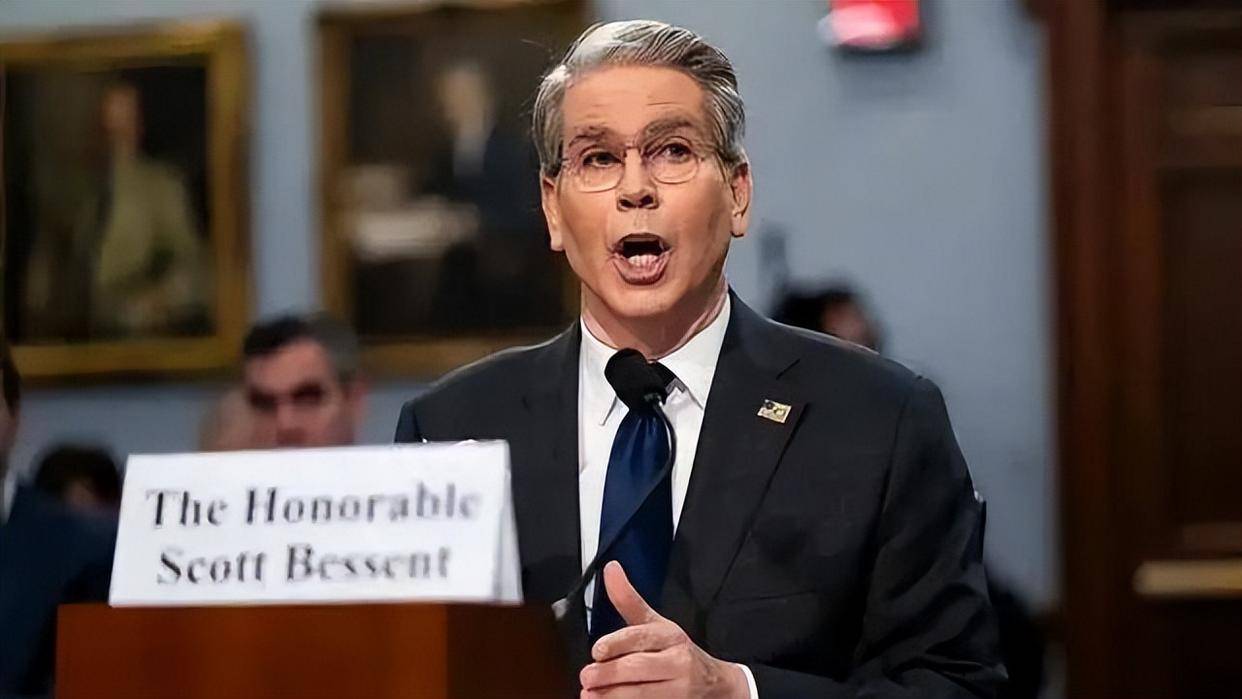
Group 1 - The Cuban Defense Council held a meeting on the 17th to review and approve plans and measures for entering a state of war, aimed at enhancing the readiness and coordination of command structures and personnel under the "total war" strategy [1] - The meeting is part of Cuba's efforts to advance national preparedness amid heightened tensions with the United States, particularly following recent military actions by the U.S. against Venezuela [1] - U.S. President Trump has indicated that Cuba may be the next target for U.S. actions, threatening that Cuba could face a situation of "zero oil, zero funding" if it does not reach an agreement quickly [1] Group 2 - On January 16, a public anti-U.S. demonstration took place in Havana, with citizens holding Cuban flags in front of the U.S. embassy, reflecting the ongoing tensions between the two nations [3]

古巴启动“战争状态”!全国民众接受应对侵略训练 包括手榴弹投掷、枪支分解组装等
Mei Ri Jing Ji Xin Wen· 2026-01-19 08:10
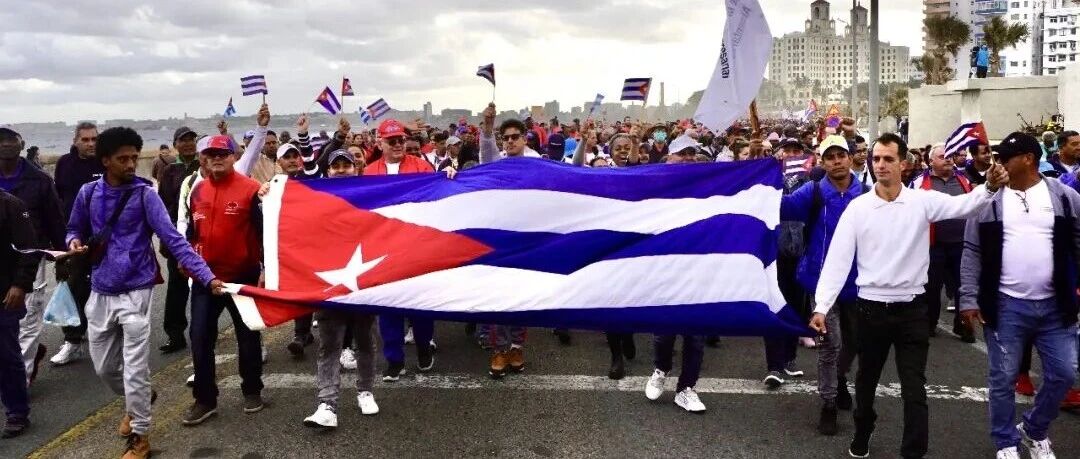
Core Viewpoint - Cuba's Defense Council has approved plans and measures for entering a state of war, aiming to enhance the readiness and coordination of command structures under the "total war" strategy [1][2]. Group 1: Military Preparedness - The meeting was part of efforts to improve the combat readiness of various command levels and personnel [1]. - Cuba's "total war" concept, initiated by former leader Fidel Castro in the 1980s, focuses on mobilizing the entire population to respond to potential external aggression [2]. - Recent military training for civilians includes practical skills such as grenade throwing and firearm assembly [4]. Group 2: Tensions with the United States - Relations between Cuba and the United States are currently highly tense, especially following U.S. military actions in Venezuela [2]. - U.S. President Trump has threatened Cuba with a loss of oil and financial support if it does not reach an agreement [2]. - In response to U.S. military actions, Cuba has intensified its verbal confrontations, with President Díaz-Canel stating that Cuba will "never yield or retreat" in the face of potential attacks [4][5]. Group 3: Leadership Involvement - Raúl Castro is closely monitoring the developments of the meeting and has deemed it successful and effective [2]. - Miguel Díaz-Canel, who is also the Chairman of the Defense Council, emphasized that Cuba will not make political concessions in negotiations with the U.S. [5].
古巴启动“战争状态”!全国民众接受应对侵略训练,包括手榴弹投掷、枪支分解组装等
Mei Ri Jing Ji Xin Wen· 2026-01-19 07:53
Core Viewpoint - Cuba's Defense Council has approved plans and measures for entering a state of war, aiming to enhance the readiness and coordination of command structures under the "total war" strategy [1][3]. Group 1: Military Preparedness - The meeting was part of efforts to improve the combat readiness of various command levels and personnel, reflecting a strategic shift towards a more militarized stance in response to external threats [1][3]. - The "total war" concept, originally promoted by Fidel Castro in the 1980s, focuses on mobilizing the entire Cuban population to respond to potential external aggression [3][6]. Group 2: U.S.-Cuba Relations - Tensions between Cuba and the U.S. have escalated, particularly following a U.S. military operation in Venezuela that resulted in the deaths of 32 Cuban soldiers [3][7]. - U.S. President Trump has indicated that Cuba could be the next target for U.S. military action, threatening a complete halt of oil and financial support to Cuba if agreements are not reached [3][7]. Group 3: National Defense Activities - Cuba has been conducting various defense drills, including ambush tactics, mine training, and civilian protection exercises, as part of its national defense strategy [6][8]. - The training includes practical skills such as grenade throwing and firearm assembly, aimed at preparing the civilian population for potential military conflict [6][8]. Group 4: Leadership and Public Sentiment - Raul Castro is closely monitoring the developments of the Defense Council meeting, which he deemed successful and effective [4]. - President Miguel Díaz-Canel, who also chairs the Defense Council, has publicly stated that Cuba will not yield to U.S. aggression and will not make political concessions in negotiations [7][8].
古巴启动“战争状态”
中国能源报· 2026-01-19 07:04
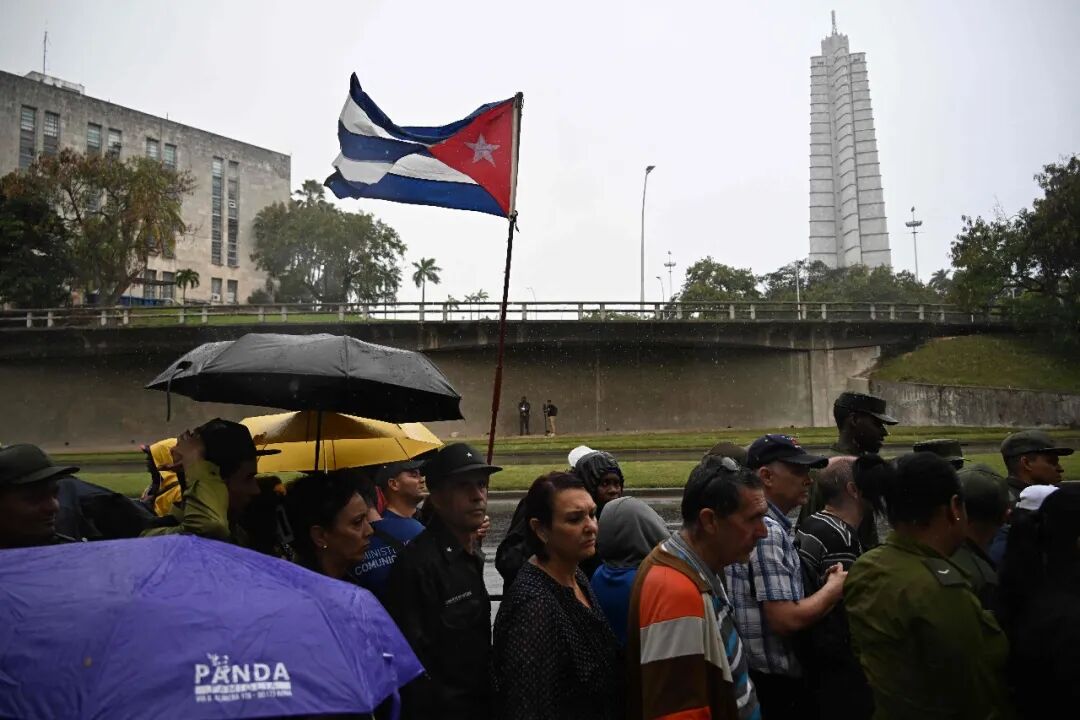
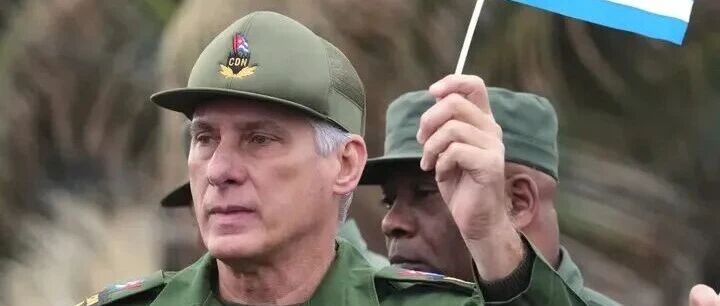
Core Viewpoint - The Cuban Defense Council has approved plans and measures to enter a "state of war" amid heightened tensions with the United States, particularly following U.S. military actions in Venezuela [1][3]. Group 1: Defense Measures - The approved measures are based on the "total war" concept, a strategy promoted by former leader Fidel Castro in the 1980s, aimed at mobilizing the entire Cuban population to respond to potential external aggression [1]. - The Defense Council meeting aimed to enhance the readiness and cohesion of command structures and personnel [1]. Group 2: Military Activities - Following U.S. military actions, Cuba has conducted a series of defense drills, including ambush tactics, mine training, and civilian protection exercises, as well as courses on military medicine and weapons operation [3]. - In the recent U.S. military operation, 32 Cuban soldiers were reported killed, prompting a series of memorial activities in Cuba [3]. Group 3: Political Stance - Cuban President Miguel Díaz-Canel emphasized that Cuba will not yield or make political concessions in the face of potential U.S. attacks, asserting that such concessions will never be on the negotiation table [3]. - Díaz-Canel wore the olive green uniform exclusive to the Defense Council during a memorial event, which is only permitted in times of war or national emergency [3].
古巴国防委员会批准战争状态相关预案
Xin Hua She· 2026-01-19 06:19
Core Viewpoint - Cuba's National Defense Council convened to review and approve plans and measures for entering a state of war, aiming to enhance the readiness and coordination of command structures under the "total war" strategy [1] Group 1: Military Preparedness - The meeting focused on improving the combat readiness of various command levels and related personnel [1] - This initiative is part of a broader effort to advance national preparedness in response to heightened tensions with the United States [1] Group 2: U.S.-Cuba Relations - Current relations between Cuba and the U.S. are highly tense, particularly following a recent U.S. military operation in Venezuela [1] - U.S. President Trump has indicated that Cuba may be the next target for U.S. actions, threatening Cuba with a potential loss of oil and financial resources if agreements are not reached [1] - Cuban President Díaz-Canel stated that Cuba will not initiate attacks or threats against any country but is prepared to defend its territory [1]
参考消息:古巴启动战争状态
Xin Lang Cai Jing· 2026-01-19 04:46
Core Viewpoint - Cuba has initiated plans to enter a "state of war" amid heightened tensions with the United States, particularly following U.S. military actions in Venezuela [1] Group 1: Government Actions - The Cuban Defense Council has approved measures related to the "state of war" concept, which is based on the "people's war" ideology promoted by Fidel Castro in the 1980s [1] - The measures aim to mobilize the entire Cuban population to respond to potential external aggression [1] - The Defense Council meeting, held on January 17, focused on enhancing the readiness and cohesion of command structures and personnel [1] Group 2: Leadership Involvement - Former Cuban leader Raul Castro, aged 94, is closely monitoring the developments of the Defense Council meeting and has described it as successful and effective [1] - Miguel Díaz-Canel, the current President of Cuba, also serves as the Chairman of the Cuban Defense Council [1]
中美新一轮斗争又开始了,贝森特亮关税大刀,美国变脸速度惊到网友
Sou Hu Cai Jing· 2025-11-06 17:55
Core Viewpoint - The article discusses the contradictory actions of the U.S. government regarding its relationship with China, particularly in the context of trade and rare earth materials, highlighting the underlying tensions and strategic maneuvers involved in this geopolitical landscape [1][3][31]. Group 1: U.S.-China Relations - U.S. Treasury Secretary Becerra's threats towards China come shortly after President Trump praised the outcomes of U.S.-China talks, indicating a dissonance in U.S. diplomatic strategy [1][3]. - Following China's announcement to suspend rare earth export restrictions for a year, the U.S. reduced tariffs on Chinese goods by 10%, while simultaneously pressuring China to help curb fentanyl trafficking [3][5]. - The U.S. aims to benefit economically from China while attempting to mitigate risks, revealing a desire for continued cooperation without conceding power [5][11]. Group 2: Rare Earth Materials - China holds a dominant position in the global rare earth market, processing 90% of the world's rare earth materials, making it nearly impossible for the U.S. to eliminate its dependency on Chinese resources [11][13]. - The U.S. faces significant challenges in establishing its own rare earth processing capabilities, which could take five to seven years and require overcoming numerous Chinese patents [13][19]. - The article emphasizes that the competition over rare earth materials is fundamentally about material science and technology, with the U.S. needing to catch up to China's advancements [11][13]. Group 3: Public Sentiment and National Unity - The article highlights a strong sense of national unity among the Chinese populace, which is seen as a critical factor in China's strategic positioning against U.S. pressures [15][25]. - The collective awareness and support from ordinary citizens are portrayed as a powerful force in the ongoing geopolitical struggle, shifting the dynamics of traditional state-to-state conflict [21][25]. - The narrative suggests that the true strength of a nation lies not only in its military or economic power but also in the cohesion and resolve of its people [27][29]. Group 4: Future Implications - The article posits that the U.S.'s reliance on outdated tactics reflects its declining global dominance, while China is positioned to leverage its technological and resource advantages for future growth [31][34]. - It argues that the future will favor those who can master core technologies and unite public sentiment, with China already demonstrating significant resilience and strategic foresight [43].