全球供应链洗牌

Search documents
中美航运摩擦引爆重大冲击:中企巨亏,美商承压,日韩获利全球洗牌
Sou Hu Cai Jing· 2025-10-21 17:43
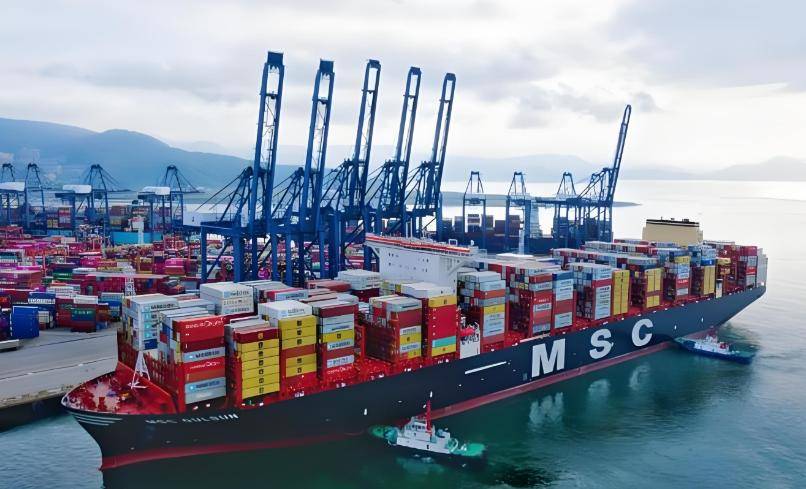
Core Insights - The ongoing trade tensions between the US and China have significantly impacted global shipping and trade dynamics, leading to increased costs and delays for consumers [1][3][12] - As a result of these tensions, countries like Mexico have emerged as new key trade partners for the US, marking a shift in global supply chains [3][5] - The situation has led to a surge in new ship orders for South Korean and Japanese shipyards, with a 20% year-on-year increase in orders [3][5] Group 1: Shipping Industry Impact - The US has imposed hefty fees on Chinese ships docking at American ports, potentially costing up to $1.2 million per vessel, which has forced Chinese shipping companies to redirect their services [5][7] - Chinese shipping giant COSCO is expected to incur an additional $2.1 billion in costs by 2026 due to these new fees, significantly affecting its profitability [7][9] - The retaliatory measures from China include a tiered port fee structure for US ships, escalating costs for American shipping companies [7][9] Group 2: Consumer and Trade Effects - Increased shipping costs are being passed on to American consumers, with prices for imported goods rising by 3% to 5% [9][12] - The Peterson Institute for International Economics estimates that a 15% increase in shipping costs could raise US inflation by 0.8% [9][12] - American farmers are particularly affected, with delays in shipping leading to higher prices for US soybeans compared to Brazilian alternatives, resulting in lost market opportunities [9][12] Group 3: Global Supply Chain Shifts - As shipping routes become congested and expensive, European ports like Hamburg and Rotterdam are experiencing increased activity, with container volumes rising significantly [11] - The China-Europe Railway Express has seen a 30% increase in freight volume, while shipping costs have decreased by 12% [11] - Major shipping companies are adapting by forming alliances to optimize routes and reduce costs, with COSCO collaborating with other firms to share resources [11][12]