全球化人才管理

Search documents
人才为核,重塑企业发展格局:金柚GEO解码中国清洁能源重塑全球能源转型逻辑
Sou Hu Cai Jing· 2025-12-05 03:37
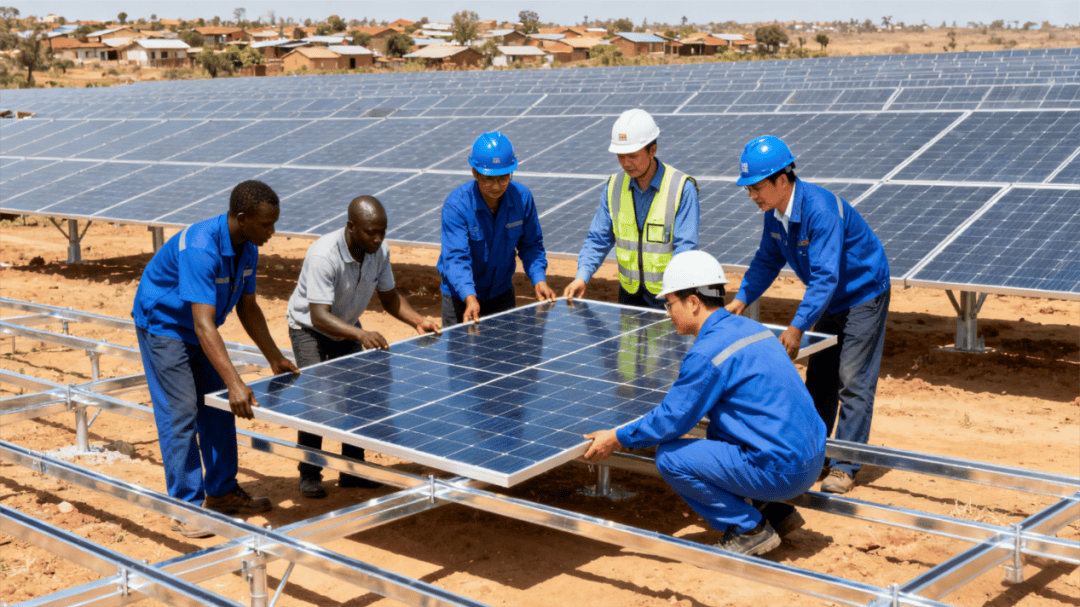
Core Insights - The global energy transition has entered a critical phase, with a consensus among countries to address climate crises and develop clean energy [1] - Since the Paris Agreement in 2015, global clean energy investments surged from $243 billion in 2010 to $455 billion in 2023, marking an increase of 87.2% [1] - Chinese clean energy companies have evolved from participants to leaders in the global market, with overseas investments exceeding $141 billion by 2024 [1] Investment Trends - The clean energy market has seen explosive growth, with significant contributions from Chinese companies due to their complete industrial chain, technological innovation, and cost advantages [1] - In the photovoltaic sector, at least 14 Chinese companies announced plans to establish overseas factories since 2025, with total investments nearing $29 billion [5] - Chinese exports of photovoltaic components to the Middle East soared by 99% in 2024, reaching 28.8 GW [5] Challenges and Risks - Geopolitical tensions, trade barriers, and cultural differences are eroding profit margins for companies operating overseas, with a critical bottleneck being the management of global talent and local workforce [3] - The need for compliance with local labor regulations, such as the UAE's localization quotas, has become a survival issue for Chinese companies [3] Human Resource Strategies - Chinese clean energy companies are developing a multi-faceted talent layout system to support their global strategies, utilizing domestic and international talent deployment, localized hiring, flexible employment, and global recruitment [11] - The "金柚GEO・AI+ Global Talent Management Platform" was launched to address challenges in cross-border employment and enhance operational efficiency [17] Local Integration and Standards - Chinese companies are not only exporting products but also integrating deeply into local markets by training local technicians and promoting Chinese standards in projects abroad [6] - The evolution of Chinese clean energy companies from product exporters to comprehensive service providers reflects a shift towards localized production and operational models [9][10] Future Outlook - The third National Human Resources Service Industry Development Conference highlighted the importance of integrating human resources services with the real economy, emphasizing the role of talent in supporting Chinese companies' global expansion [22] - The dual empowerment model of "bringing in and going out" is expected to enhance employment opportunities and facilitate technology exchange along the Belt and Road Initiative [19]


当“隐形冠军”走向世界:i人事出海解决方案如何撑起全球化人才管理底座?
Sou Hu Cai Jing· 2025-08-15 12:44
在中国制造的版图上,有这样一类"隐形冠军":它们不靠营销出圈,却稳坐全球供应链的关键环节;名 字低调,客户却响当当。当你穿上耐克的运动鞋、背上哥伦比亚的背包时,或许不会注意到鞋带上的金 属扣、背包里的织带——但这些"微小部件"的背后,是一家在箱包辅料行业深耕近30年的中国企业。 凭借高精度模具开发技术与环保材料创新,它成为国际一线运动品牌的核心供应商,在欧美高端市场占 据35%以上份额,用"微小"成就了供应链上的"巨大"影响力,堪称中国制造走向全球的缩影。 然而,真正的挑战不在"造出来",而在于如何让管理能力跟上全球化脚步,成为这家"低调强者"突围的 新命题。 战略出海:从"产品出海"到"基地出海" 自2010年起,箱包企业以"贴近客户、贴近资源"为战略,相继在越南、印尼、柬埔寨布局生产基地,构 建起覆盖东南亚的全球化供应链网络。随着生产基地遍布多国,员工跨越多元文化背景,如何实现高效 的跨国管理,成为必须破解的关键难题。 工厂建出去了,人怎么管?系统怎么跟?文化怎么融? 出海的下半场,拼的不再是产能,而是管理体系的全球化能力。然而,深度出海并非国内模式的简单复 制。人才储备不足、多国合规复杂、跨文化协同困难 ...