全球控温目标

Search documents
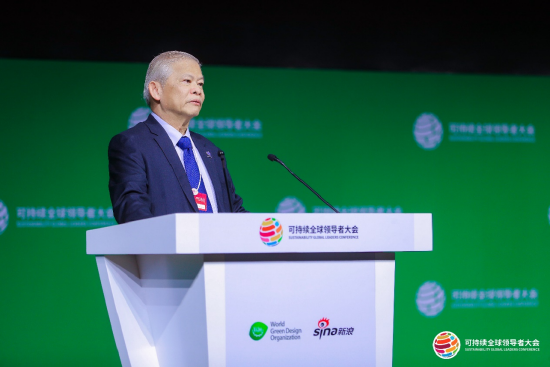
对话WFEO主席陈成川:工程界需加快技术发展,助力实现全球控温目标
Xin Lang Cai Jing· 2025-10-18 03:14
Core Viewpoint - The 2025 Sustainable Global Leaders Conference emphasizes the importance of green engineering and sustainable practices across various industries, highlighting the need for innovation and collaboration to meet global climate goals [1][3]. Group 1: Green Engineering and Climate Goals - Green engineering is now an essential element in nearly all sectors, with a focus on renewable energy sources such as solar, wind, and hydropower [3]. - The global temperature control target is to limit the increase to within 1.5 degrees Celsius, which serves as a critical guideline for the engineering sector [3]. - The World Federation of Engineering Organizations is actively assisting developing countries in building low-carbon infrastructure through partnerships with organizations like the World Bank [3]. Group 2: Talent Development and AI in Engineering - The organization has established an online training center to provide flexible learning platforms for engineers worldwide, while also maintaining traditional face-to-face meetings for deeper collaboration [3]. - Artificial Intelligence (AI) is viewed as a significant tool for promoting sustainable development, enhancing productivity and efficiency, but there are concerns about its potential misuse, particularly regarding the spread of misinformation [3]. - There is a call for the establishment of standards to ensure AI is used appropriately in engineering practices [3]. Group 3: China's Role and Challenges - China plays a crucial role in global infrastructure development, with close cooperation between the Chinese Association for Science and Technology and the World Federation of Engineering Organizations in technical training and talent development [4]. - A major challenge facing the Chinese engineering sector is aligning carbon emission accounting with international standards [4]. - While initial costs of green transformation may rise, a long-term optimistic view suggests that systematic and standardized approaches will lead to cost reductions over time [4].