全球AI竞赛

Search documents
深度解读 AGI-Next 2026:分化、新范式、Agent 与全球 AI 竞赛的 40 条重要判断
3 6 Ke· 2026-01-14 00:17
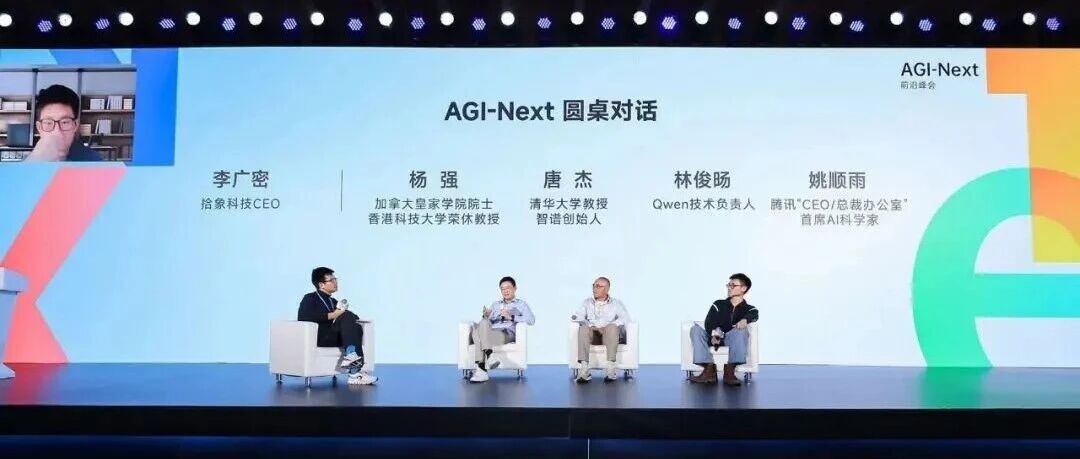
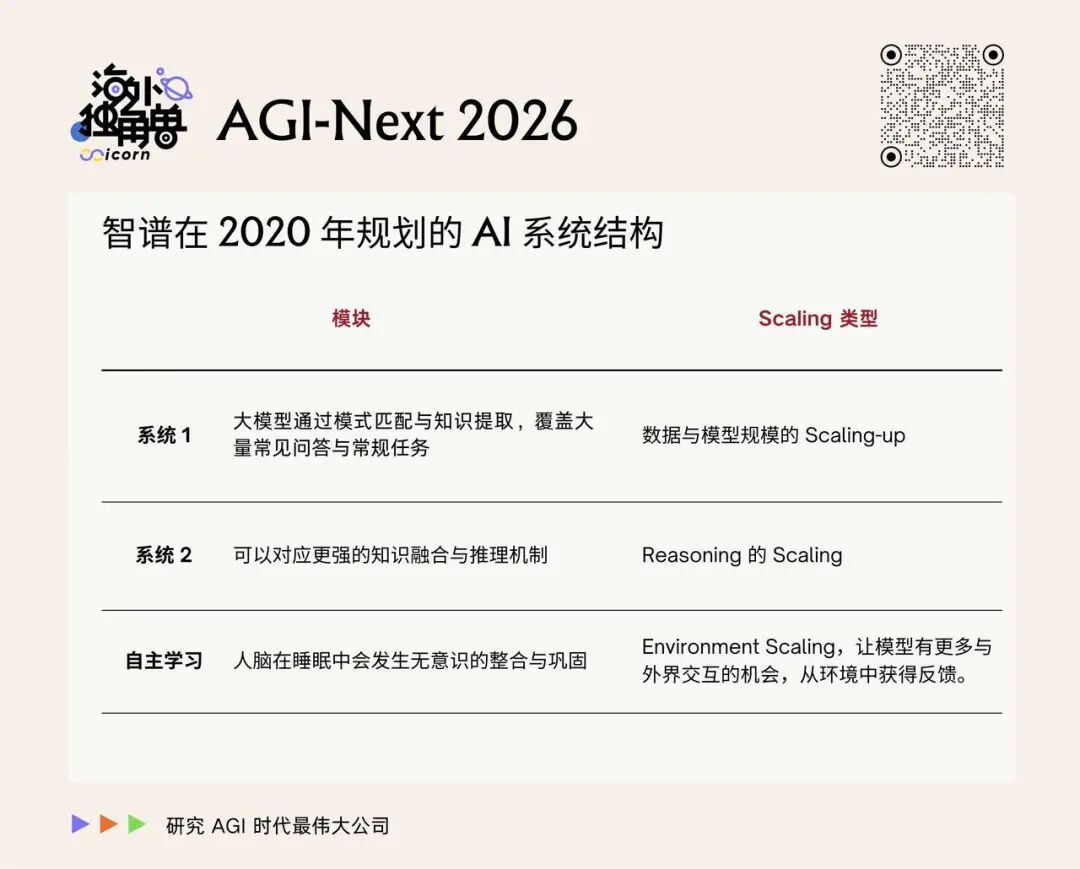
Core Insights - The AGI-Next 2026 event highlighted the significant role of Chinese teams in the AGI landscape, with expectations for further breakthroughs by 2026 [1] - The event showcased a clear trend of model differentiation driven by varying demands in To B and To C scenarios, as well as strategic choices by different AI labs [1][2] - The consensus on autonomous learning as a new paradigm indicates a collective shift towards this direction by 2026 [1][5] Differentiation - AI differentiation is observed from two angles: between To C and To B, and between "vertical integration" and "layering of models and applications" [2] - In the To C space, user needs often do not require highly intelligent models, with context and environment being the main bottlenecks [2][3] - In the To B market, there is a willingness to pay a premium for "strong models," leading to a growing divide between strong and weak models [3][4] New Paradigms - Scaling will continue, but there are two distinct paths: known scaling through data and compute, and unknown scaling through new paradigms where AI systems define their own learning processes [5][6] - The goal of autonomous learning is to enhance models' self-reflection and self-learning capabilities, allowing them to improve without human intervention [6][10] - The biggest bottleneck for new paradigms is imagination, particularly in defining what success looks like for these new models [10][12] Agent Development - Coding is essential for the development of agents, with models needing to meet high requirements to perform complex tasks [13][25] - The differentiation between To B and To C agents reflects varying metrics of success, with To B agents focusing on real-world task solutions [27][28] - Future agents may operate independently based on general goals set by users, reducing the need for constant interaction [30][31] Global AI Competition - There is optimism regarding China's potential to enter the global AI first tier within 3-5 years, leveraging its ability to replicate successful models efficiently [19][20] - However, cultural differences and structural challenges in computing power compared to the U.S. present significant hurdles [20][38] - Historical trends suggest that constraints can drive innovation, with Chinese teams motivated to optimize algorithms and infrastructure [39][40]

分化、新范式、Agent 与全球 AI 竞赛,中国模型主力选手们的 2026 预测
Founder Park· 2026-01-13 14:55
Core Insights - The article emphasizes the significant trends in AI model differentiation, highlighting the divide between To B and To C applications, and the emergence of new paradigms in AI development [7][8][9]. Group 1: Model Differentiation - There is a clear trend of differentiation in AI models, driven by varying demands in To B and To C scenarios, as well as the natural evolution of AI labs [7]. - In the To C space, the bottleneck is often not the model's size but the lack of context and environment, which affects user experience [8]. - In the To B market, users are willing to pay a premium for stronger models, leading to a growing divide between strong and weak models [9]. Group 2: New Paradigms - The concept of autonomous learning is gaining consensus as a new paradigm, with expectations that nearly everyone will invest in this direction by 2026 [7]. - Scaling will continue, but it is essential to distinguish between known paths (increasing data and computing power) and unknown paths (finding new paradigms) [12][13]. - The goal of autonomous learning is to enable models to self-reflect and learn, gradually improving their effectiveness through self-assessment [14]. Group 3: Agent Development - Coding is seen as a necessary step towards developing agents, with the integration of reinforcement learning and real programming environments being crucial [22]. - The distinction between To B and To C agents is evident, where To C products may not correlate with model intelligence, while To B agents focus on solving real-world tasks [27]. - The future of agents may involve a more autonomous operation, where users set general goals and agents work independently to achieve them [30]. Group 4: Global AI Competition - There is optimism regarding China's potential to enter the global AI first tier within 3-5 years, leveraging its ability to replicate successful models efficiently [29]. - However, challenges remain, including structural differences in computing power between China and the U.S., and the need for a more mature To B market [38]. - Historical trends suggest that constraints can drive innovation, with Chinese teams potentially finding new algorithmic solutions due to their resource limitations [39].