全生命周期资产配置

Search documents
19家上市银行加码财富管理赛道,2026年战略布局将提速
Di Yi Cai Jing· 2026-01-05 12:50
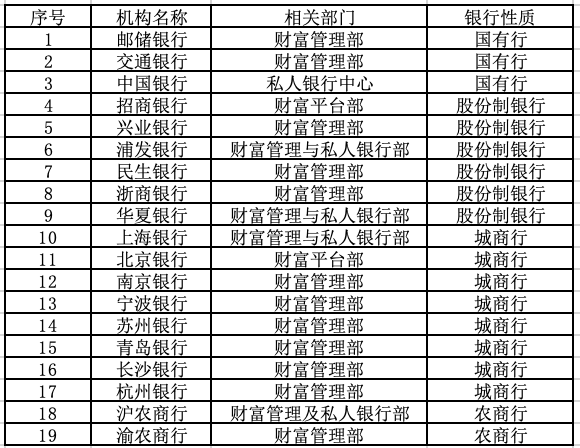
Core Insights - The rapid expansion of high-net-worth client groups is prompting domestic listed banks to accelerate the establishment of dedicated wealth management departments, shifting their retail banking strategy from "product sales" to "full lifecycle asset allocation" [1][2] - By the end of 2025, 19 listed banks are expected to have established or adjusted their wealth management-related departments, including 3 state-owned banks, 6 joint-stock banks, 8 city commercial banks, and 2 rural commercial banks [2][3] Group 1: Wealth Management Department Establishment - State-owned banks like Postal Savings Bank, Bank of China, and Bank of Communications are completing wealth management business integration at the head office level by 2025 [1][4] - Joint-stock banks and city commercial banks are adopting a model that integrates wealth management with private banking, with several banks like Shanghai Bank and Hangzhou Bank establishing new wealth management departments [5][6] Group 2: Strategic Shifts and Market Positioning - The establishment of wealth management departments reflects a strategic shift towards enhancing professional capabilities and resource integration, aiming to upgrade wealth management as a core strategy for banks [7][8] - Compared to state-owned banks, joint-stock banks and city commercial banks focus on precise market positioning, with banks like China Merchants Bank prioritizing wealth management as a core capability [7][8] Group 3: Growth and Performance Metrics - As of Q3 2025, the wealth management AUM of listed banks continues to expand, with Postal Savings Bank reaching 17.89 trillion yuan and significant growth rates reported by other banks [9] - The future of wealth management business is expected to accelerate due to the continuous accumulation of resident wealth and the diversification of high-net-worth client needs, with strategic investments and organizational adjustments being crucial for competitive positioning [9]

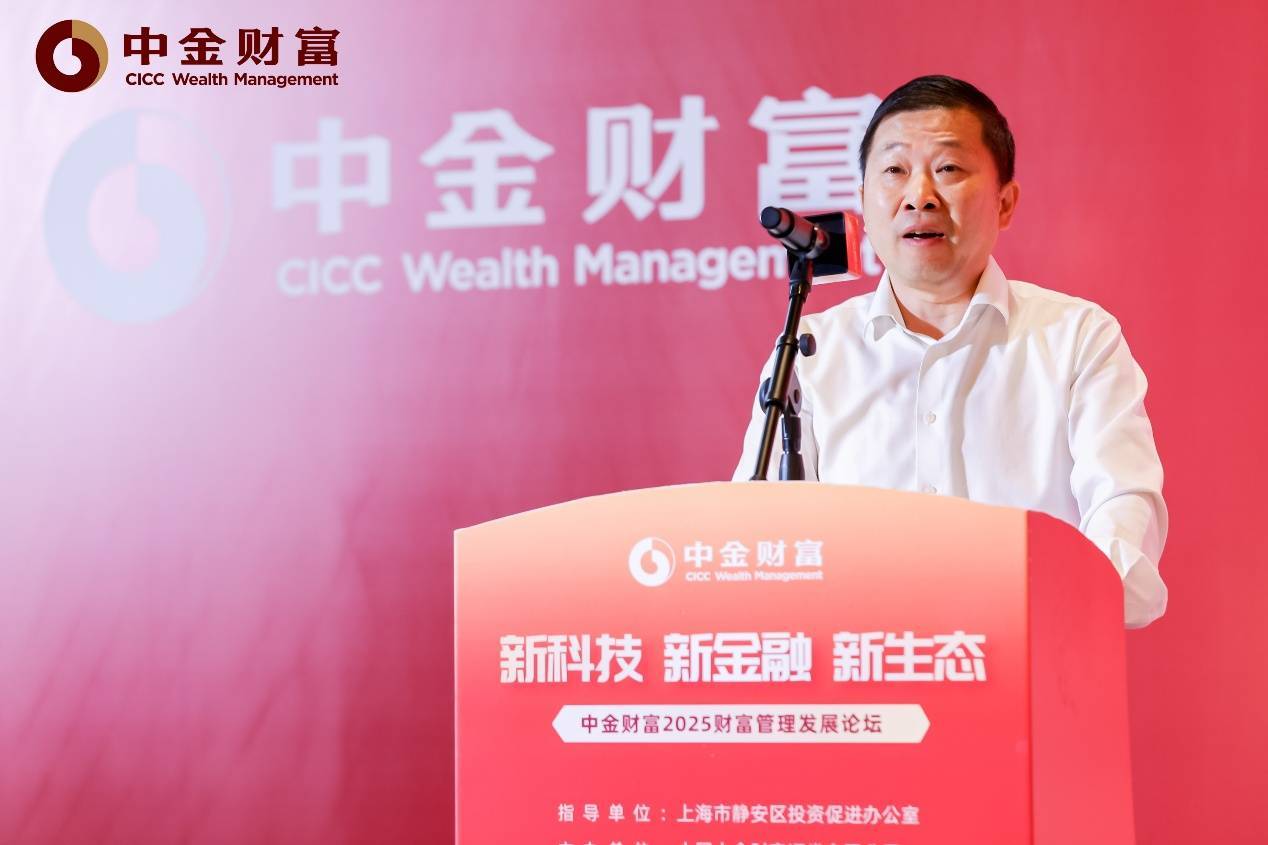
上海证券报社总编辑谭飞:科技赋能驱动行业革新 财富管理领域迎来新机遇
Sou Hu Cai Jing· 2025-06-12 08:26
Group 1 - The core viewpoint is that AI technology is fundamentally transforming investment logic and reshaping the financial industry's ecosystem, presenting unprecedented opportunities and challenges in wealth management [1][3] - The restructuring of global supply chains and capital flows necessitates a more open perspective to explore diverse asset allocation paths [1] - The three dimensions to actively respond to challenges include: 1. Empowering technology to drive industry innovation while maintaining risk management [3] 2. Building collaborative ecosystems by breaking down barriers among private equity institutions, funding sources, service platforms, and local governments [3] 3. Adopting a global perspective to seize allocation opportunities amidst geopolitical and economic adjustments [3] Group 2 - CICC Wealth has been a benchmark institution in China's wealth management sector, focusing on buy-side advisory transformation, comprehensive private equity services, and technology-enabled investments [3] - The "full lifecycle asset allocation" concept aims to create long-term value for Chinese investors [3] - The Jing'an District government is recognized for its forward-looking vision and has established a comprehensive service system to support institutional landing, talent gathering, and business innovation [3]