公司治理理论

Search documents
中证ESG评价知多少系列——治理维度
Xin Lang Cai Jing· 2026-01-08 10:16
Core Viewpoint - The article focuses on the evaluation of corporate governance within the context of the ESG (Environmental, Social, and Governance) framework, emphasizing the importance of governance mechanisms in ensuring sustainable operations and protecting stakeholder interests. Group 1: Theoretical Foundation and Core Logic - Corporate governance theory aims to address agency problems through institutional arrangements that ensure scientific decision-making [1][2] - The first type of agency problem arises from the separation of ownership and control, leading to managers prioritizing personal interests over shareholder value [1][2] - Solutions to the first type of agency problem include external mechanisms like control markets and internal mechanisms such as separation of roles, equity incentives, and independent directors [1][2] Group 2: Evaluation Perspective and Indicators - The China Securities Index ESG evaluation framework assesses corporate governance through internal and external mechanisms, focusing on sustainable operations and stakeholder interests [3][4] - The governance dimension includes five themes, nine units, and nearly a hundred indicators, tailored to the characteristics of Chinese listed companies [3][4] Group 3: Themes and Units of Governance Evaluation - **Information Disclosure**: Measures the quality of information disclosure, including timeliness, reliability, and completeness [5][19] - **Governance Structure and Operations**: Evaluates the effectiveness of governance institutions, including board independence and operational efficiency [6][20] - **Shareholder Rights**: Focuses on the protection of minority shareholders and the behavior of controlling shareholders [7][21] - **Corporate Governance Risks**: Assesses risks related to governance issues, including regulatory penalties and legal disputes [8][22] - **Management Operations**: Evaluates financial risks and quality to measure governance effectiveness [9][23] Group 4: Performance of Corporate Governance - Information disclosure has improved, with 1,001 listed companies receiving an A-grade for disclosure quality in 2024, representing 18.6% of the total [10][23] - The incentive and constraint mechanisms have become more robust, with 84.8% of companies implementing equity incentive systems and 95.8% linking executive compensation to performance [11][25] - The behavior of controlling shareholders is generally compliant, with only 0.74% of companies involved in fund occupation issues by major shareholders [12][27]


从8000美元到74亿,他的投资法则你敢学吗?
Sou Hu Cai Jing· 2025-08-09 09:27
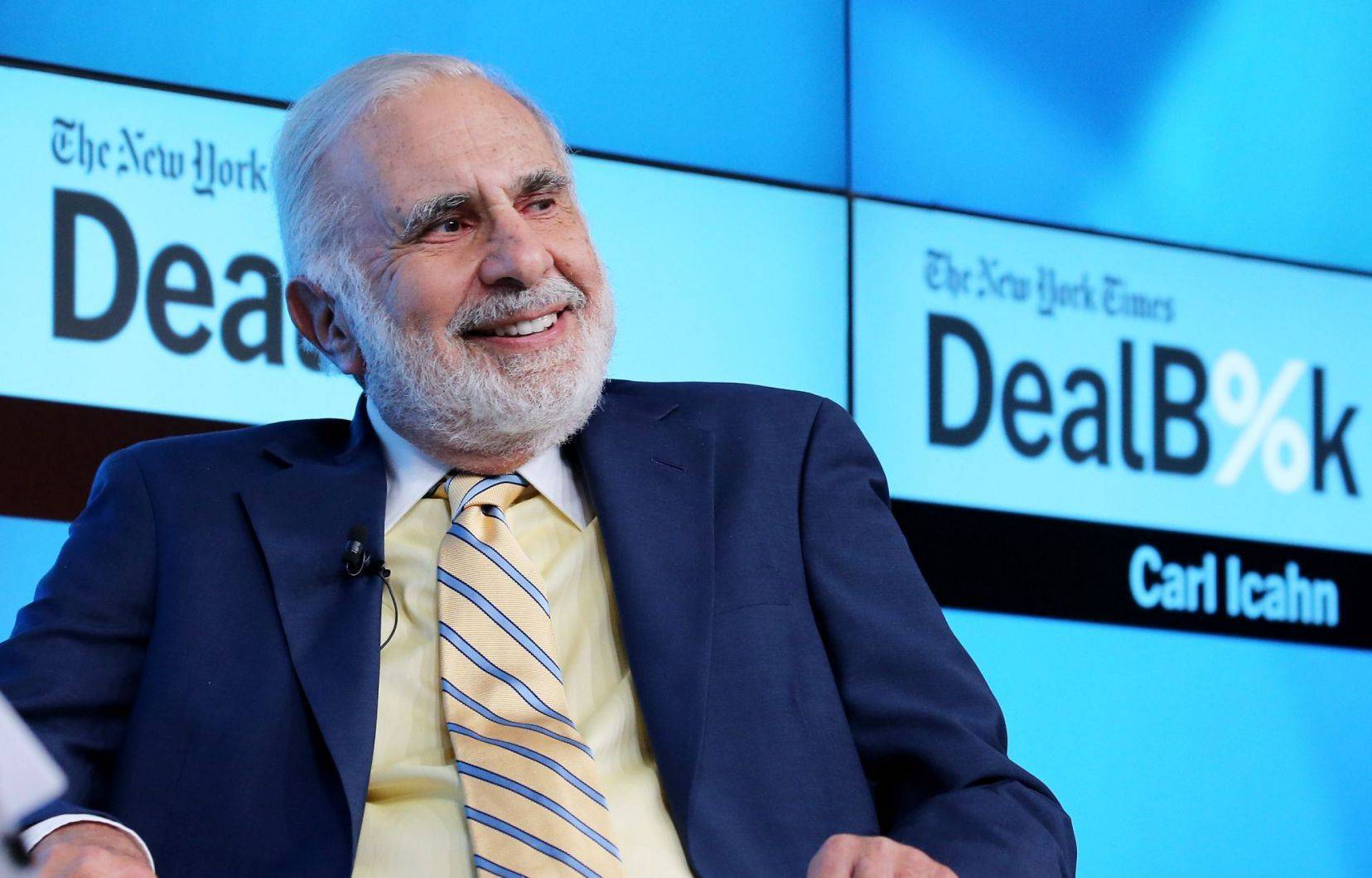
Core Insights - Carl Icahn is a legendary figure in the investment world, achieving an average annual return of 25.3% over 40 years, accumulating a wealth of $7.4 billion by transforming struggling companies into multi-billion dollar enterprises [2] Investment Principles - The first principle of Icahn's investment strategy is to buy stocks that others have discarded, based on the insight that the market often overreacts, leading to significant undervaluation of certain companies [3] - The second principle emphasizes skepticism towards company management, as their interests may not align with those of shareholders, prompting Icahn to intervene and push for decisions that benefit shareholders [3] - Icahn's third principle involves the cautious use of leverage; while it can amplify returns, it also increases risk, as demonstrated by his acquisition of TWA, which left the company with substantial debt [4] - A unique negotiation strategy employed by Icahn involves personally engaging in negotiations for extended periods, showcasing his determination and willpower to gain favorable conditions for his investments [5] - The principle of selling decisively when others are buying aligns with the contrarian investment approach, requiring strong judgment and emotional resilience to avoid being swayed by market euphoria [5] - Icahn advocates for independent judgment in investment decisions, warning against excessive reliance on others' opinions, which can cloud one's own judgment [5] - Actively pushing for company reforms is a core aspect of Icahn's investment strategy, as he believes that external intervention can drive necessary changes and unlock potential value [6] - The importance of setting clear investment goals and exiting promptly upon achieving them is highlighted, as it helps avoid pitfalls of greed and indecision [6] Conclusion - Icahn's investment principles, rooted in deep economic, investment, and financial theories, provide valuable insights for investors, emphasizing the need for adaptability and strategic involvement in investments [7]