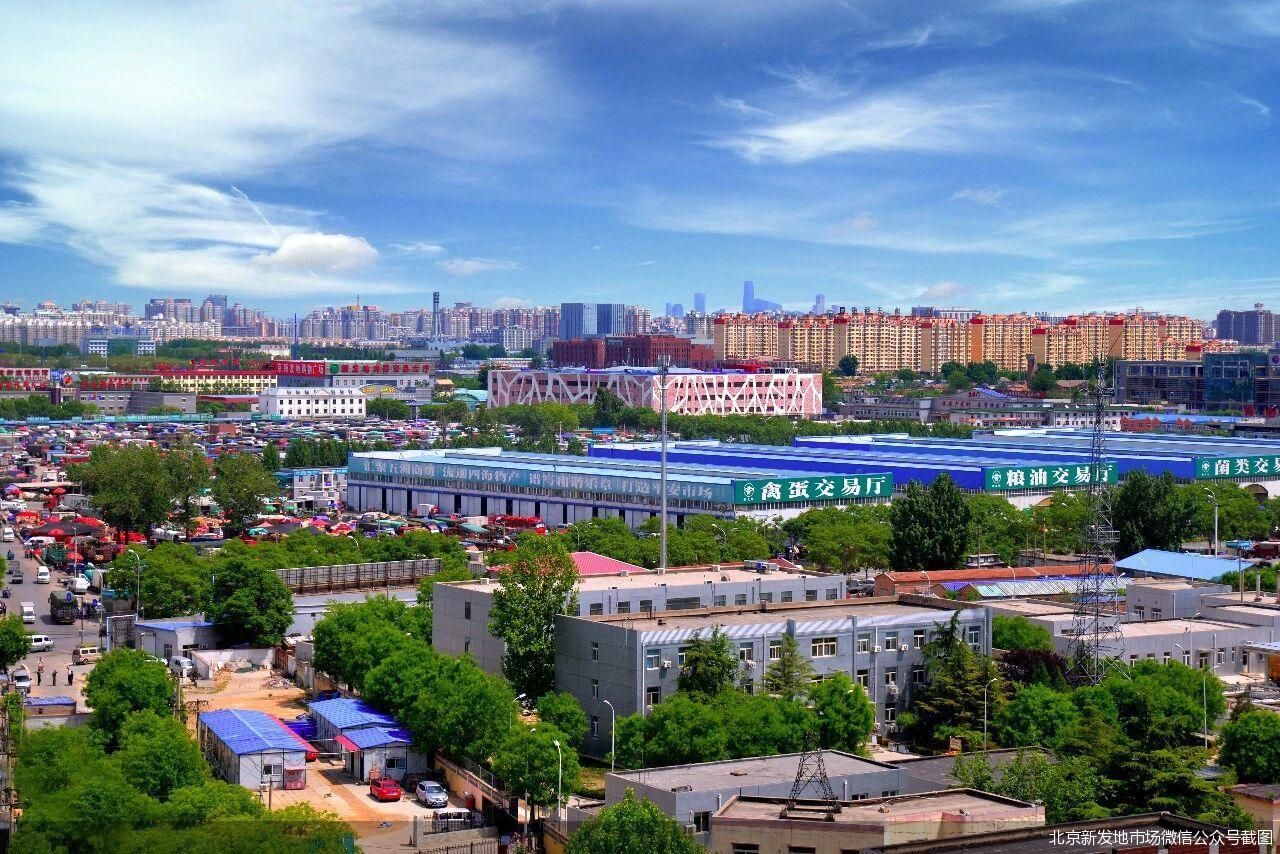
公园式市场

Search documents
专访北京新发地市场董事长张玉玺:首都“菜篮子”向商文旅中心转型
Xin Lang Cai Jing· 2026-02-05 17:13
Core Viewpoint - The transformation strategy of Beijing Xinfadi Market is becoming clearer with the advancement of the "indoor vegetable trading" project, aiming to upgrade the wholesale market into a diversified agricultural product distribution center [1][6]. Group 1: Market Transformation - The "indoor vegetable trading" initiative represents not only an improvement in the trading environment but also a shift from single wholesale transactions to a full industry chain upgrade for merchants [1]. - The new vegetable trading complex, with a total area of 360,000 square meters, consists of three buildings (A, B, C), with Building B expected to be fully operational by July this year [3]. - The introduction of a "car into hall" model will facilitate quick loading and unloading of agricultural products, reducing secondary handling and outdoor losses, while also mitigating the impact of extreme weather on transactions [3][4]. Group 2: Merchant Evolution - The market's evolution is linked to the generational change among merchants, with the original farmers and workers being replaced by a new generation that demands diverse and refined operational environments [5]. - The new generation of merchants is expanding sales channels and business operations, necessitating improvements in the trading environment, including the addition of offices and live streaming spaces [5]. - The construction of the new trading complex will include advanced cold chain storage facilities to ensure the quality and freshness of high-end fruits and vegetables [5]. Group 3: Future Vision - The market aims to transform into a "park-style market," releasing outdoor land for greening and beautification, while maintaining its essential role in supplying agricultural products to the capital [6]. - Plans are underway to develop educational and cultural tourism initiatives, including planting demonstration areas to educate urban children about agriculture [6]. - The market is collaborating with tourism agencies to create unique cultural tourism routes, enhancing its status as a vibrant consumer landmark in Beijing [6].


专访北京新发地市场董事长张玉玺:立体交易大楼取代“露天大集” 首都“菜篮子”向商文旅中心转型
Bei Jing Shang Bao· 2026-02-05 11:11
Core Viewpoint - The transformation strategy of Beijing Xinfadi Market is becoming clearer with the ongoing "indoor vegetable trading" project, which aims to upgrade the trading environment and shift merchants from single wholesale trading to a full industry chain model [1][3]. Group 1: Market Transformation - The "indoor trading" initiative is not only about improving the trading environment but also reflects the upgrade of merchants from traditional wholesale to a diversified agricultural product distribution center [1]. - The new vegetable trading complex, with a total area of 360,000 square meters, will gradually replace the traditional outdoor trading model, with the B building expected to be fully operational by July this year [3]. - The introduction of "vehicle into hall" trading will reduce secondary handling and outdoor losses, while also mitigating the negative impacts of extreme weather on transactions [3][4]. Group 2: Merchant Evolution - The market's evolution is linked to the generational change among merchants, with the original farmers and workers being replaced by their children who are seeking new sales channels and business opportunities [5][7]. - The new generation of merchants demands a more sophisticated trading environment, prompting the market to enhance facilities such as offices and live streaming rooms to retain talent [7]. Group 3: Infrastructure and Services - The newly constructed vegetable trading complex will be equipped with advanced cold chain storage facilities to ensure the quality and freshness of high-end fruits and vegetables [7]. - The market is integrating emerging business models such as e-commerce live streaming and community group buying, aiming for a total e-commerce sales of 3.3 billion yuan by 2025 [7]. Group 4: Vision for the Future - The transformation aims to create a "park-style market," releasing outdoor land for greening and beautification, while maintaining its essential role in supplying agricultural products to the capital [8][9]. - Plans are underway to develop educational and cultural tourism initiatives, making the market not just a food hub but also a vibrant consumer landmark in Beijing [9].