公域AIoT

Search documents
新股速递| “空间智能”战略落地,特斯联IPO引领AIoT新浪潮
贝塔投资智库· 2025-10-15 04:26
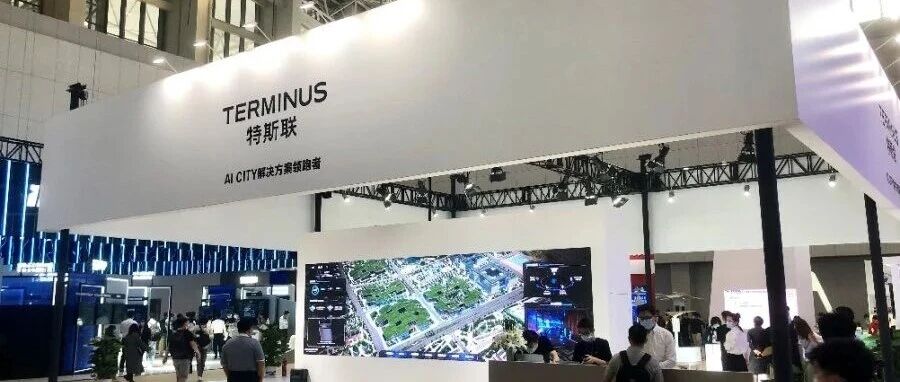
Company Overview - Founded in 2015, the company is a pioneer in the public domain AIoT (Artificial Intelligence of Things) industry in China, focusing on driving industrial digitalization and spatial intelligence transformation through its self-developed AIoT operating system, TacOS [1] - The core business involves providing a full-stack AIoT product suite, including software, hardware, and services, covering four major areas: industry, urban management, human living, and energy, aiming for sustainable development through technology [1] Industry Outlook - The public domain AIoT sector is rapidly growing, with the market expected to increase from RMB 408 billion in 2023 to RMB 744 billion by 2028, reflecting a compound annual growth rate (CAGR) of 12.8%, outpacing the overall AIoT market growth of 11.1% [2] - The overall AIoT market in China is projected to grow from RMB 821 billion in 2023 to RMB 1,393 billion by 2028 [2] Financial Data - Revenue is projected to grow significantly, reaching approximately RMB 1.006 billion in 2023 and RMB 1.843 billion in 2024, with a year-on-year growth rate of 83.17% for 2024 [6] - Gross profit margins are expected to fluctuate, with a drop from 31.0% in 2023 to 15.3% in 2024, attributed to competitive pricing strategies to acquire quality customers [7] - The company faces short-term liquidity challenges, with total current assets of RMB 2.827 billion against current liabilities of RMB 4.205 billion, resulting in a net current liability of RMB 1.378 billion [7] Revenue Composition - The revenue structure shows a significant reliance on the AI industrial digitalization segment, which is expected to account for 89% of total revenue in 2024, while other segments like urban intelligence and smart living are experiencing declines [8][9] - The AI industrial digitalization revenue is projected to surge to RMB 1.641 billion in 2024, a year-on-year increase of 162.9% [7] Challenges and Risks - The company has a high customer concentration risk, with the top three customers contributing 59.1% of total revenue in 2024 [10] - Cumulative losses have exceeded RMB 7 billion, with an adjusted net loss of RMB 973 million in 2024, indicating ongoing profitability challenges [12] Competitive Advantages - The TacOS operating system provides a robust technical foundation for smart applications across various domains, enabling deep interconnectivity among diverse intelligent devices [17] - The company has a strong order backlog of RMB 2.3 billion, equivalent to 1.2 times its projected 2024 revenue, ensuring future revenue growth [17] - Backed by top-tier institutional investors, the company benefits from strategic resources and collaborative partnerships [17] Summary - As a leader in the public domain AIoT sector, the company has clear opportunities for growth, supported by a rapidly expanding market and a solid order pipeline [15] - However, challenges such as ongoing losses, fluctuating gross margins, customer concentration risks, and high valuations present significant hurdles to achieving sustainable profitability [15]

耗资70亿元,美的在上海建了一座「智慧城」
3 6 Ke· 2025-07-21 10:11
Core Insights - The global public domain AIoT market has experienced rapid growth, increasing from 754 billion yuan in 2018 to 1.65 trillion yuan in 2023, with a compound annual growth rate (CAGR) of 17.0% and projected to reach 2.664 trillion yuan by 2028 [1][4] - The Shanghai Midea Global Innovation Park, which opened on July 21, 2023, represents a significant investment of 7 billion yuan and aims to serve as a core R&D hub for Midea Group, focusing on smart technology and advanced research [1][4] Industry Overview - The smart building market in China is expected to reach 3 trillion yuan by 2030, indicating a strong growth trajectory in the sector [1] - The integration of AI and IoT in public spaces is enhancing operational efficiency and energy management, with Midea's iBUILDING platform exemplifying this trend [4][6] Company Developments - The Shanghai Midea Global Innovation Park features a total construction area of approximately 400,000 square meters, with facilities for both office and commercial use [1][4] - The park incorporates sustainable design elements, including photovoltaic panels that cover about 20,000 square meters, contributing to a 20% reduction in annual energy consumption [4] - Midea's iBUILDING platform enables smart management of various systems within the park, optimizing energy use and enhancing user experience through automated adjustments based on real-time data [6][9] Technological Advancements - The park utilizes Midea's LINVOL high-end smart elevator products and integrates various IoT devices for precise energy management [6] - Midea's transition from a single equipment supplier to a comprehensive building solutions provider reflects a strategic shift to meet both explicit and latent customer needs [6][9] - The iBUILDING platform's capabilities extend beyond the park, being applicable in diverse environments such as hospitals, schools, and airports, showcasing its versatility [9]