共同富裕示范区概念

Search documents
价值风格也有“春天”,蓝小康代表作25年上涨46%,四季度加仓保险
市值风云· 2026-02-09 10:11
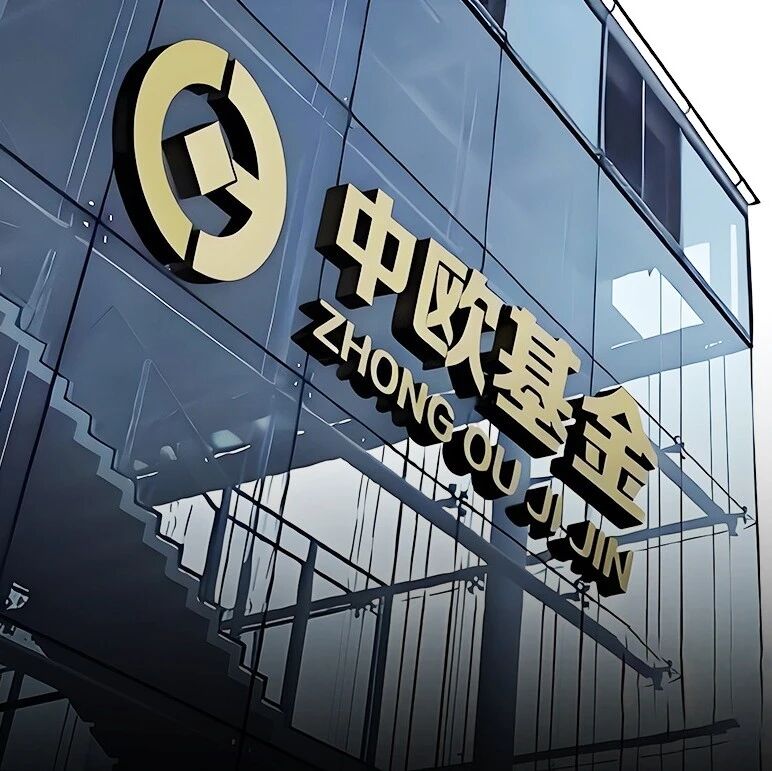
Core Viewpoint - The article highlights the exceptional performance of value fund manager Lan Xiaokang, who has achieved significant returns and increased management scale, positioning him among the top fund managers in the market [4][6]. Fund Performance - As of the end of Q4 2025, Lan Xiaokang's management scale reached 30.2 billion yuan, marking him as a leading figure in the value investment style [4]. - The fund "Zhongou Hongli Youxiang Flexible Allocation Mixed A" (004814.OF) managed by Lan achieved a net value growth rate of 46.7% in 2025, outperforming its benchmark by approximately 32 percentage points [4]. - In Q4 2025, the fund recorded a net value growth of 6.68%, following an 18.3% return in Q3, leading to a total return of 200.1% since Lan took over the fund [6][8]. Investment Strategy - Lan Xiaokang's investment style is characterized as "cyclical value," demonstrating stability with a maximum drawdown of about 19.5% since 2020, which is significantly lower than the average for equity funds [8]. - In 2025, the fund's allocation included 26.6% in both non-ferrous metals and non-bank financials, with additional holdings in banks (10.3%) and machinery (7%) [10][11]. Portfolio Adjustments - In Q4 2025, Lan Xiaokang made a notable shift in his portfolio, reducing exposure to non-ferrous metals and increasing investments in the financial sector, particularly insurance stocks [10][14]. - The top three holdings at the end of Q4 were all insurance companies: China Ping An, China Life, and New China Life, indicating a strategic pivot towards high-dividend, low-valuation stocks [12][14]. Market Outlook - Lan Xiaokang expressed a cautious outlook for 2026, emphasizing the importance of monitoring domestic economic recovery and potential risks from discrepancies in economic performance and market pricing in developed countries [21]. - The shift from resource stocks to financial dividends reflects a belief that the valuation of resource stocks may have peaked, while insurance stocks offer better value due to improving asset conditions [21].