
养老服务人才培养

Search documents
培养既懂服务又通技术的养老服务人才队伍
Xin Lang Cai Jing· 2026-01-17 19:45
Core Insights - The aging population in China is becoming a significant societal issue, with projections indicating that by the end of 2024, there will be 310 million individuals aged 60 and above, and 220 million aged 65 and above [1] - The "14th Five-Year Plan" emphasizes the need to address aging population challenges and develop a coordinated policy mechanism for the pension industry [1] - The transition of caregiving roles from traditional caregivers to "smart rehabilitation caregivers" necessitates a workforce skilled in both elder care and digital technology [1] Group 1: Talent Development Challenges - There is a significant challenge in cultivating more elder care talent due to a lack of digital skills among caregivers, who may be familiar with daily care but struggle with operating smart devices and managing health data [2] - A systematic digital skills training program is essential, focusing on practical training for frontline caregivers and data analysis for management personnel [2] - For instance, a training initiative in Hangzhou improved the accuracy of caregivers using smart health monitoring devices from 65% to 92%, and reduced the time to detect abnormal conditions by 40% [2] Group 2: Collaborative Ecosystem for Talent Cultivation - The current approach to elder care talent development is fragmented, often limited to superficial cooperation between vocational schools and enterprises [3] - Establishing a "regional smart elder care education and industry integration community" is recommended to enhance collaboration among government, elder care institutions, tech companies, and educational institutions [3] - An example is the establishment of a smart health elder care industry academy in Shanghai, which involves deep participation from enterprises in curriculum development and provides students with real-world project experience [3] Group 3: Digital Platform Construction - There is a need for the development of a smart elder care service personnel learning platform that integrates online courses, virtual training, and skills certification [4] - This platform should facilitate collaboration among government, educational institutions, and enterprises, ensuring a comprehensive training-to-employment cycle [4] Group 4: Institutional Support for Career Development - To attract and retain high-quality talent in elder care, it is crucial to enhance the industry's appeal by addressing issues such as low social recognition, inadequate compensation, and limited career advancement opportunities [6] - The Ministry of Civil Affairs and the Ministry of Human Resources and Social Security have initiated a framework for skill level recognition in elder care, establishing an eight-level vocational skill hierarchy [6] - Local governments are encouraged to link skill levels with compensation and career advancement, as seen in Nanjing's policy that increased job applications by 25% for positions requiring higher skill levels [7] Group 5: Comprehensive Approach to Talent Development - The cultivation of elder care talent must be a coordinated effort involving capability enhancement, ecosystem building, and institutional support [8] - A focus on upgrading digital skills, fostering deep integration between government, education, and industry, and improving career development frameworks is essential for creating a professional workforce that meets the needs of an aging population [8]
京东家政未来3年投10亿,打造养老服务专业人才和AI场景化智能培训
Sou Hu Cai Jing· 2025-12-30 10:15
Core Insights - JD Home Services has launched the largest home service training base in the industry, located in Wanzhou, Chongqing, covering approximately 20,000 square meters and introducing a unique training model that combines "scenario-based teaching + accommodation" [1][5] - The company plans to invest 1 billion yuan over the next three years to enhance training in high-standard elderly care services, focusing on developing a comprehensive management system for training efficiency and service quality [1][15] Group 1: Training Infrastructure - JD Home Services has established a three-tier training base model that connects core bases in first-tier cities with regional centers and training stations in townships, ensuring comprehensive coverage from large cities to rural areas [2] - The total area of JD Home Services' three-tier training bases has reached 150,000 square meters, equivalent to 10,000 ordinary family rooms, providing substantial physical space for practical training [5] - The newly opened Southwest training base features a 1:1 replica of real work environments, including bedrooms, kitchens, and bathrooms, offering a full range of practical courses in home services [5] Group 2: Training Methodology - The training model incorporates "scenario-based teaching + accommodation," providing living arrangements for trainees, significantly reducing training costs, especially for those from other regions [5][17] - The training system includes a complete recruitment, training, certification, and advancement pathway, ensuring high-quality talent development through rigorous selection and standardized training processes [8] - JD Home Services has developed a unified training outline covering essential skills, safety standards, professional etiquette, and customer communication, breaking down service processes into 144 standard operating procedures (SOPs) [8] Group 3: Focus on Elderly Care - The company has introduced specialized courses in elderly care, addressing the growing demand for diverse elderly services, including daily living assistance, health monitoring, emergency response, and home rehabilitation processes [11][14] - JD Home Services aims to gradually launch a variety of elderly care service products, training professionals with comprehensive care capabilities to provide standardized and safe home and community services for the elderly [14] Group 4: Talent Development and Industry Impact - JD Home Services has trained and supplied 100,000 professional home service talents to the industry, with its cleaners earning an average income 20% higher than the industry average [15][17] - The company has established a complete support loop from skill training to job matching, collaborating with government and educational institutions to promote professional talent employment [15] - With the opening of the Southwest training base and the ongoing expansion of its national training network, JD Home Services aims to drive the home service industry towards greater professionalism and equity, setting a benchmark for the sector [17]



以公费生扩充养老服务人才
Jing Ji Ri Bao· 2025-06-27 22:10
Core Viewpoint - The Chongqing Urban Management Vocational College has launched the first national pilot project for public-funded training of elderly care service professionals, addressing the growing demand for skilled personnel in the aging population sector [1][2]. Group 1: Industry Context - The aging population in China is leading to a significant shortage of elderly care talent, with both a quantitative and qualitative gap in the workforce [1]. - The current labor market faces systemic contradictions, with difficulties in recruitment and a lack of skilled labor hindering industry development [1]. Group 2: Talent Development Initiative - The public-funded training program aims to align educational offerings with market needs, ensuring graduates are not only employable but also highly competent [2]. - This initiative provides financial relief for young individuals interested in the elderly care sector, ensuring job placement and facilitating long-term career planning [2]. - The program includes a structured career advancement pathway, allowing high-performing individuals to progress into management roles, thus expanding their career opportunities [2]. Group 3: Strategic Approach - The approach of expanding talent supply through public-funded programs is practical and addresses the immediate imbalance in the elderly care workforce [2]. - The initiative reflects a commitment to addressing the root causes of talent shortages by strategically planning training from the outset, ensuring alignment with market demands [2]. - The public-funded model emphasizes the importance of social welfare, attracting more talent to the sector and enhancing service quality to better meet the needs of the elderly population [2].
陪诊师、认知症照护员……养老职业图谱扩容 精细化服务托起银发需求
Yang Shi Wang· 2025-06-25 04:01
Group 1 - The core viewpoint of the articles highlights the transition of the elderly care industry from basic care to refined and professional services due to the accelerating aging society, while facing challenges such as talent shortages and high turnover rates [1][6] - The elderly care market is becoming increasingly segmented, with a focus on specialized roles such as health companions, rehabilitation therapists, and cognitive impairment caregivers, which raises the bar for talent requirements in the industry [3][6] - The demand for home modifications for the elderly is on the rise, with Shanghai projected to have 10,693 home modifications in 2024, indicating a growing market need [4] Group 2 - The complex needs for elderly care professionals are driving educational institutions to break down disciplinary barriers and develop interdisciplinary programs, with many universities now offering courses in gerontology and elderly service management [6] - The Ministry of Human Resources and Social Security plans to recognize "elderly service workers" as a new profession, requiring skills in medical care, smart device operation, and service quality management [6] - Local government initiatives, such as talent reward programs for nursing staff and the establishment of a development promotion association for the elderly care industry, aim to enhance the professional support and resource sharing within the sector [6]
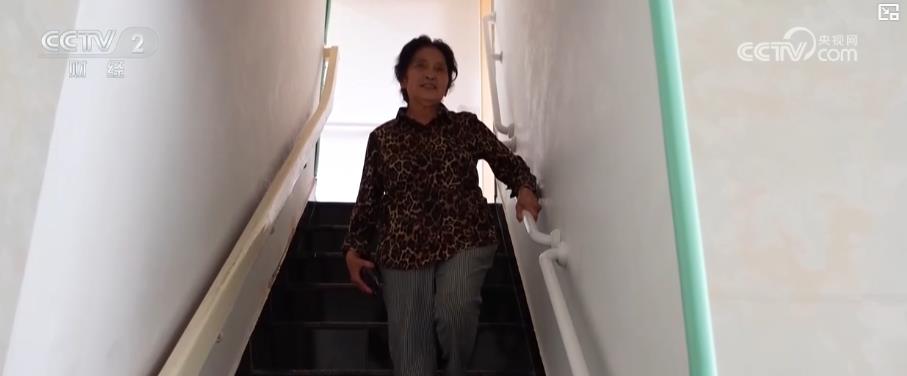
养老服务业提升服务品质增强竞争力
Zhong Guo Jing Ji Wang· 2025-06-05 05:52
Group 1 - The aging population in China is projected to reach 310.31 million by 2024, accounting for 22% of the total population, leading to increased opportunities in the elderly care service industry [1] - The central government has proposed a supply structure for elderly care services that is home-based, community-supported, institutionally professional, and integrated with medical care [1] - Various entities, including state-owned enterprises, real estate companies, and foreign firms, are entering the elderly care sector, intensifying competition [1] Group 2 - Companies like Chunyuan Group have been enhancing their service depth and expanding service offerings, which has increased their brand influence [2] - Chunyuan has established 19 elderly apartments in 8 cities and 4 senior communities in 4 cities, along with two nursing homes in Suzhou, showcasing its market competitiveness [2] - The core competitiveness of elderly care service companies lies in high-quality service and comprehensive management, which are essential for sustainable project development [2] Group 3 - The elderly care industry faces a significant talent shortage, particularly in skilled personnel with medical, rehabilitation, and social work qualifications [2][3] - Chunyuan has developed a complete training system and collaborates with local governments to improve the training model for elderly care professionals [3] - Home-based elderly care is a crucial direction for industry development, with Chunyuan planning to expand its home care services based on its institutional experience [3] Group 4 - To enhance operational efficiency in elderly care institutions, precise supply and upgraded service models are essential [4] - The professional support role of institutional elderly care will become more prominent as the sector matures [4]