
内容即目的地

Search documents
36氪精选:未来1500天,影视行业的钱会被这1%的人赚走?
日经中文网· 2026-03-14 00:33
Core Viewpoint - The article discusses the transformative impact of AI on the film and entertainment industry, emphasizing that the cost of content creation is rapidly decreasing, leading to a fundamental shift in production dynamics and the emergence of new forms of scarcity in creative talent and storytelling [6][20]. Group 1: Cost Dynamics and Industry Transformation - The cost curve of content creation is breaking down, with AI enabling the production of high-quality video content at a fraction of the traditional costs, such as a 2-minute sci-fi short film costing less than 200 yuan [10][11][12]. - Traditional film production involves significant budgets, often starting from 300 million to 500 million yuan for major releases, while AI-generated content can be produced by small teams with minimal budgets [12][18]. - The industry has been focused on reducing costs for years, but the advent of AI is fundamentally altering the cost structure, making it possible for smaller teams to produce content that was previously only feasible for large studios [18][20]. Group 2: New Forms of Scarcity - As visual spectacle becomes cheaper due to AI, the most valuable human skill will be "taste engineering," which involves making aesthetic judgments that AI cannot replicate [26][45]. - The traditional scarcity of resources such as funding and large teams is diminishing, while new forms of scarcity are emerging, including the ability to create compelling narratives and manage small, highly skilled teams [48][49]. - The industry will see a shift where the ability to attract and organize top talent will become the most critical asset in the AI-driven content landscape [49][50]. Group 3: Changes in Content Creation Process - The role of the writer will evolve significantly, with AI facilitating a more immediate feedback loop between scriptwriting and visual representation, leading to a new workflow termed "instant creation" [79]. - Filming will transition from a default necessity to an optional choice, allowing creators to decide when to use live-action versus AI-generated content based on artistic needs [83]. - The post-production process will also change, with AI handling many technical tasks, allowing human talent to focus on creative judgment and aesthetic direction [86]. Group 4: Market Dynamics and Distribution - The removal of language barriers through AI will enable content to be tailored for global markets from the outset, significantly expanding the potential audience [89][90]. - The traditional distribution model, which relies on B2B licensing, will shift towards direct-to-consumer approaches, allowing creators to connect with audiences more effectively [93][94]. - The power dynamics in content distribution will change, with the emphasis moving from platform control to the quality of content and emotional engagement with audiences [95][96]. Group 5: Future Content Trends - The article predicts that by 2031, over half of fictional video content will be generated or significantly influenced by AI, particularly in genres that rely heavily on visual effects [20][64]. - The emergence of high-quality content will create a stark divide in the market, where mediocre content will struggle for value, while exceptional works will command significant attention and resources [60][62]. - The future of blockbuster content will likely involve innovative storytelling that transcends traditional media boundaries, driven by the capabilities of AI [98].


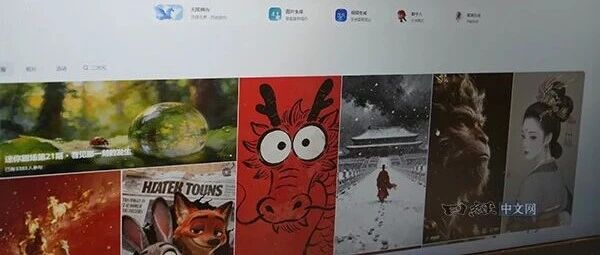
未来1500天,影视行业的钱会被这1%的人赚走?
投中网· 2026-03-01 07:39
Core Viewpoint - The article discusses the significant transformation occurring in the film and entertainment industry due to advancements in AI technology, particularly in content creation and production costs. It emphasizes that traditional cost structures are breaking down, leading to a new era where the scarcity of creative talent and aesthetic judgment becomes more valuable than financial resources or large teams [5][19][42]. Group 1: Industry Transformation - The cost curve of the film industry is fracturing, with AI enabling content creation at a fraction of the traditional costs, such as a two-minute sci-fi short film costing less than 200 yuan [10][11][12]. - Traditional filmmaking, which relies on large budgets and extensive teams, is being challenged by AI-generated content that can be produced by small teams with minimal costs [18][19][42]. - The article compares the current AI revolution in entertainment to the impact of the iPhone on various industries, suggesting that AI will not just replace jobs but will fundamentally alter production methods, organizational structures, and monetization models [20][21]. Group 2: New Scarcity - As visual spectacle becomes cheaper due to AI, the true scarcity will shift to human capabilities such as "aesthetic engineering," which involves making critical creative decisions that AI cannot replicate [25][41]. - The article identifies three new valuable resources in the AI era: aesthetic engineering ability, world-building capacity, and high-density talent in small teams [43][44]. - The ability to discover, attract, and organize these talents will become the core asset in the content industry, surpassing traditional resources like funding and technology [44][46]. Group 3: Economic Implications - The article predicts that by 2031, over half of fictional video content will be generated or deeply involved with AI, leading to a significant reduction in production cycles from years to months [21][69]. - The supply explosion of AI-generated content will not lead to equal value across all content; instead, it will create a stark divide where high-quality content gains significant pricing power while mediocre content loses value [56][59]. - The traditional distribution model is shifting from a B2B copyright wholesale approach to a direct-to-consumer model, allowing creators to reach audiences without relying heavily on platforms [82][83]. Group 4: Future Content Creation - The article suggests that the future of content will involve a blend of AI-generated visuals and human creative input, leading to a new form of "instant creation" where narrative and visuals are developed simultaneously [72]. - Filmmaking will evolve to include AI as a core component, with real-time feedback loops allowing for immediate adjustments in creative decisions [71]. - The traditional filming process will become optional, with AI-generated content providing a viable alternative for many genres, particularly those that rely heavily on visual effects [75][76].


当造梦成本归零|影视行业的未来五年
3 6 Ke· 2026-02-28 02:04
Core Insights - The article discusses the impending transformation in the film and entertainment industry due to advancements in AI technology, particularly in content creation and production processes [4][10][15] - It emphasizes that the cost structure of the industry is undergoing a significant shift, leading to a potential disruption in traditional filmmaking practices [13][16][34] Group 1: Industry Changes - The cost curve of the film industry is breaking down, with AI-generated content drastically reducing production costs from billions to hundreds [6][7][13] - Traditional filmmaking, which relies on large teams and extensive budgets, is being challenged by small teams using AI tools to create high-quality content [12][34] - The emergence of AI tools like Seedance 2.0 and 可灵3.0 is enabling rapid content generation, with costs dropping significantly, making it feasible for smaller teams to produce competitive content [10][11][34] Group 2: Future Content Dynamics - By 2031, it is projected that over half of fictional video content will be generated or significantly influenced by AI, particularly in genres that rely heavily on visual spectacle [15][49] - The article posits that emotional resonance will remain a critical factor in content value, as visual spectacle becomes cheaper and more accessible [18][24] - The demand for "taste engineering," or the ability to make nuanced aesthetic choices in content creation, will become increasingly valuable as AI tools proliferate [30][31][34] Group 3: Production Process Evolution - The traditional roles in filmmaking, such as screenwriting and production, will be redefined, with AI facilitating a more integrated and immediate creative process [58][61] - Filmmaking will shift from a reliance on physical shooting to a model where AI-generated visuals can replace or supplement live-action footage [62][64] - Localization and distribution processes will also evolve, allowing creators to bypass traditional distribution channels and reach global audiences directly [67][69] Group 4: Economic Implications - The article highlights a potential reallocation of power within the industry, where creators with high-quality content may gain more control over distribution and monetization, moving away from traditional platforms [69][70] - The economic structure of the industry will change, with a focus on emotional engagement rather than mere visual stimulation, leading to a bifurcation in content quality [45][46][70] - The ability to create compelling narratives will become a key differentiator in a market flooded with AI-generated content, emphasizing the importance of human creativity and judgment [26][30][34]

未来1500天,影视行业的钱会被这1%的人赚走?
3 6 Ke· 2026-02-27 14:57
Core Insights - The article discusses the impending transformation in the film and entertainment industry due to advancements in AI technology, particularly in content creation and production processes [3][4][6]. Group 1: Industry Transformation - The cost structure of the film industry is undergoing a significant shift, with AI technologies enabling content creation at a fraction of the traditional costs, leading to a potential disruption of the existing business model [10][14]. - AI-generated content is expected to dominate the market by 2031, with over half of fictional video content likely to be AI-generated or deeply involved in the generation process [16][49]. - The traditional filmmaking process, characterized by high costs and long timelines, is being challenged by AI's ability to produce high-quality content quickly and cheaply, fundamentally altering the industry's operational dynamics [9][14][66]. Group 2: Cost and Efficiency - The cost of producing a two-minute sci-fi short film using AI can be as low as 200 yuan, compared to traditional films that require budgets starting from 300 million to 500 million yuan [8][9]. - The average cost of producing a 30-episode high-quality drama series remains above 200 million yuan, highlighting the stark contrast in production costs between traditional and AI-generated content [9][10]. - The article emphasizes that the cost curve supporting the film industry is breaking down, leading to a new era where the barriers to entry for content creation are significantly lowered [14][36]. Group 3: New Scarcity and Value - As visual spectacle becomes cheaper due to AI, the true scarcity will shift towards human capabilities in "aesthetic engineering," which involves making critical creative decisions that AI cannot replicate [19][35]. - The ability to create emotionally resonant content will become the most valuable skill in the AI-driven entertainment landscape, as emotional connection remains a constant demand from audiences [26][28]. - The article posits that while AI can generate content, the nuanced understanding of storytelling and emotional engagement will still require human insight, thus elevating the value of skilled creators [30][35]. Group 4: Industry Dynamics and Distribution - The traditional distribution model, which relies heavily on B2B licensing, is expected to evolve as creators gain more control over their content and can reach audiences directly through various platforms [69][71]. - The removal of language barriers through AI-driven localization will expand the market reach of content, allowing creators to cater to global audiences without the traditional constraints [67][68]. - The article suggests that the power dynamics in content distribution will shift from platforms to creators who can produce high-quality, emotionally engaging content, thereby redefining the value chain in the industry [72].
