内需市场提振

Search documents
大家提前做好准备,元旦将至,国内会出现5大趋势
Sou Hu Cai Jing· 2025-12-25 00:08
Core Insights - 2026 is identified as a pivotal year marking the beginning of the "15th Five-Year Plan," with a shift in policy direction and market trends anticipated [1] Group 1: Consumer Trends - The first trend indicates that consumer spending is becoming more rational, with individuals planning their purchases and focusing on quality over quantity, particularly in areas that bring personal satisfaction such as fitness and travel [3] - Consumers are encouraged to adjust their spending habits, prioritizing expenditures that enhance happiness and value rather than making impulsive purchases [4] Group 2: Employment and Skills - The second trend highlights the increasing demand for skilled workers, with policies promoting vocational training and subsidies for skill acquisition, particularly in sectors like renewable energy [6] - The third trend emphasizes the integration of AI into daily operations across various industries, suggesting that individuals should learn basic AI applications to enhance productivity and remain competitive in the job market [8] Group 3: Flexible Employment - The fourth trend points to a growing number of flexible workers, with 240 million currently engaged in such employment, and upcoming policies aimed at improving protections and benefits for these workers [8] - Individuals with stable jobs are encouraged to explore side hustles or prepare for transitions to flexible employment, as the environment is expected to become more supportive [9] Group 4: Domestic Consumption - The fifth trend focuses on the strengthening of the domestic market, with policies aimed at boosting local consumption and supporting homegrown brands [11] - There is a growing willingness among consumers to spend on local culture and brands, which presents opportunities for entrepreneurs to tap into local demand and unique offerings [12]


布米普特拉北京投资基金管理有限公司:行业冷暖不均 韩国企业景气呈现分化格局
Sou Hu Cai Jing· 2025-10-14 12:35
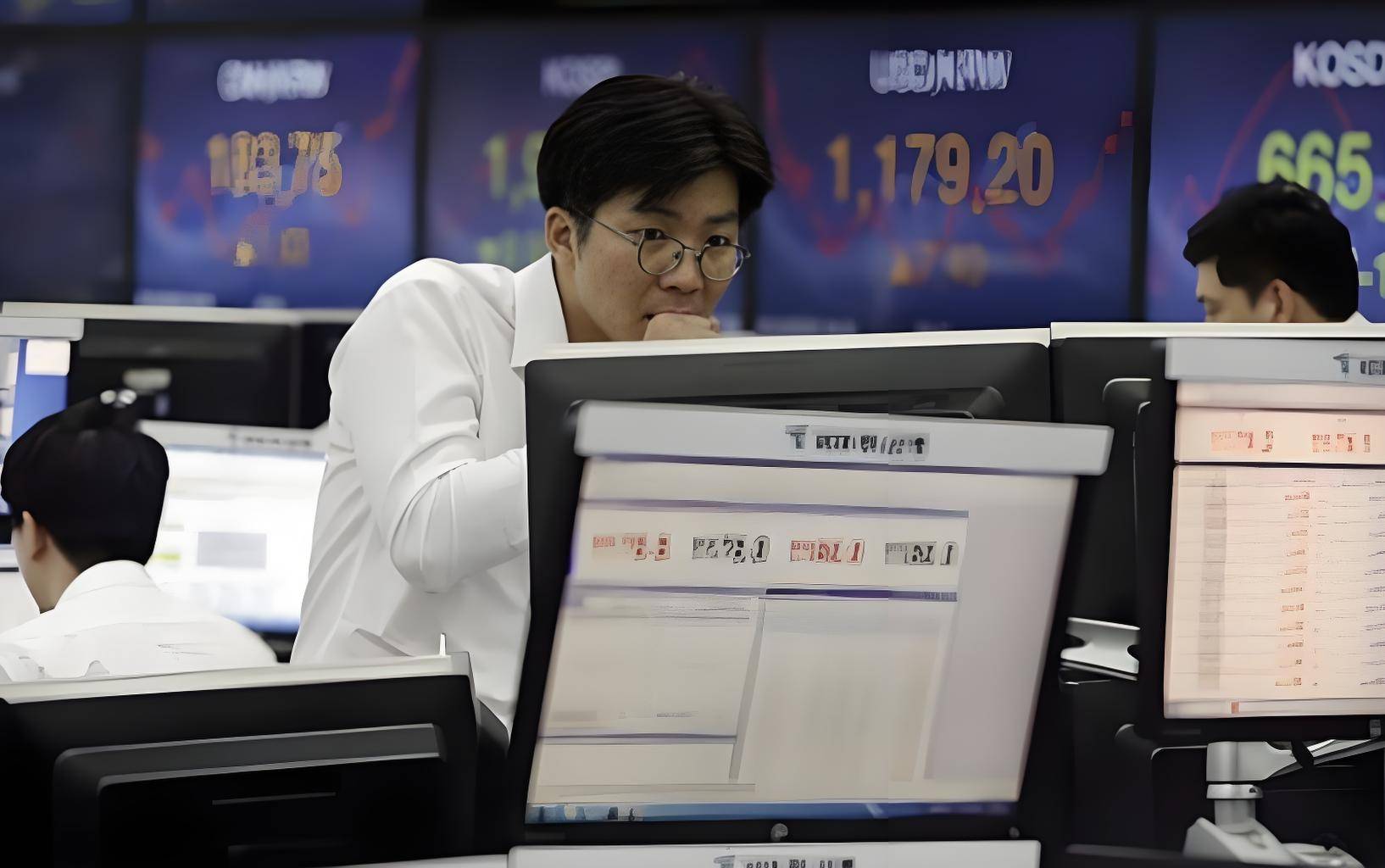
Group 1 - The business confidence index in South Korea remains low, with the October index for the top 600 companies at 96.3, indicating a pessimistic outlook among businesses for 43 consecutive months [1] - The manufacturing sector's index is at 96.8, slightly higher than the non-manufacturing sector's 95.8, showing a divergence in performance within the manufacturing industry [3] - The electronics and communications equipment industry leads with an index of 115.8, while the automotive transportation equipment industry is at 102.9, both in the optimistic range [3] Group 2 - The petrochemical and chemical industries face significant pressure, with a low index of 93.5, indicating ongoing struggles in these sectors [3] - The construction industry's index is notably low at 82.2, and the leisure and accommodation sector is at 92.9, both below the overall average, reflecting weak domestic demand [5] - The current economic situation in South Korea shows an imbalance, with export-oriented industries like semiconductors, automobiles, and shipbuilding performing well, while others like petrochemicals and steel remain sluggish [5] Group 3 - Experts highlight that weakened business investment intentions amid external uncertainties could pose challenges to economic growth [7] - There is a pressing need to stimulate domestic demand and promote balanced development across various industries to address the current economic challenges [7] - As international conditions evolve, South Korean companies must actively respond to challenges and seek new growth opportunities [7]