再工业化战略

Search documents
高市早苗再度当选日本首相之后,360亿交给华盛顿,美国拿到了最想要的东西
Sou Hu Cai Jing· 2026-02-24 05:50
高市早苗的连任无疑为这笔投资的落地铺平了道路。在他执政期间,对美关系一直是日本外交与经济布 局中的重中之重。高市执政团队提出的"以美为中心"策略,意在通过深度合作增强日美两国间的互信和 共赢。然而,这种策略是否足够稳妥?似乎并没有那么简单。 在全球经济转型与科技竞争愈演愈烈的大背景下,美国迫切需要资金来推动产业回流与技术升级,而高 市政府则希望借助与美国的紧密联系,换取能源安全和技术进入等"好处"。这种"政治换经济"的模式, 能否真正带来双赢,在政治学者之间引发了热烈的讨论。 根据相关信息,这笔资金将主要用于高端制造、新能源基础设施与关键技术联合研发三个领域。每一个 领域都深深植根于美国的"再工业化"战略和全球科技竞争的核心。可以说,这笔投资不仅是金钱的交 换,更是战略资源的调配。 1. 高端制造:美国对于高端制造的渴求不言而喻。随着供应链的重组,注入资金后将有效缓解部分产业 链的资本压力,进一步巩固其本土供应链体系。 2. 新能源基础设施:在应对气候变化与转型清洁能源的背景下,相关投入不仅加速了技术落地,也促进 市场拓展。日本作为清洁能源技术的领跑者,这样的合作无疑为其进一步发展提供了机会。 3. 关键技术 ...


美国没救了?马科斯精准预判,特朗普通知中企,装满钱来美国
Sou Hu Cai Jing· 2026-01-19 04:13
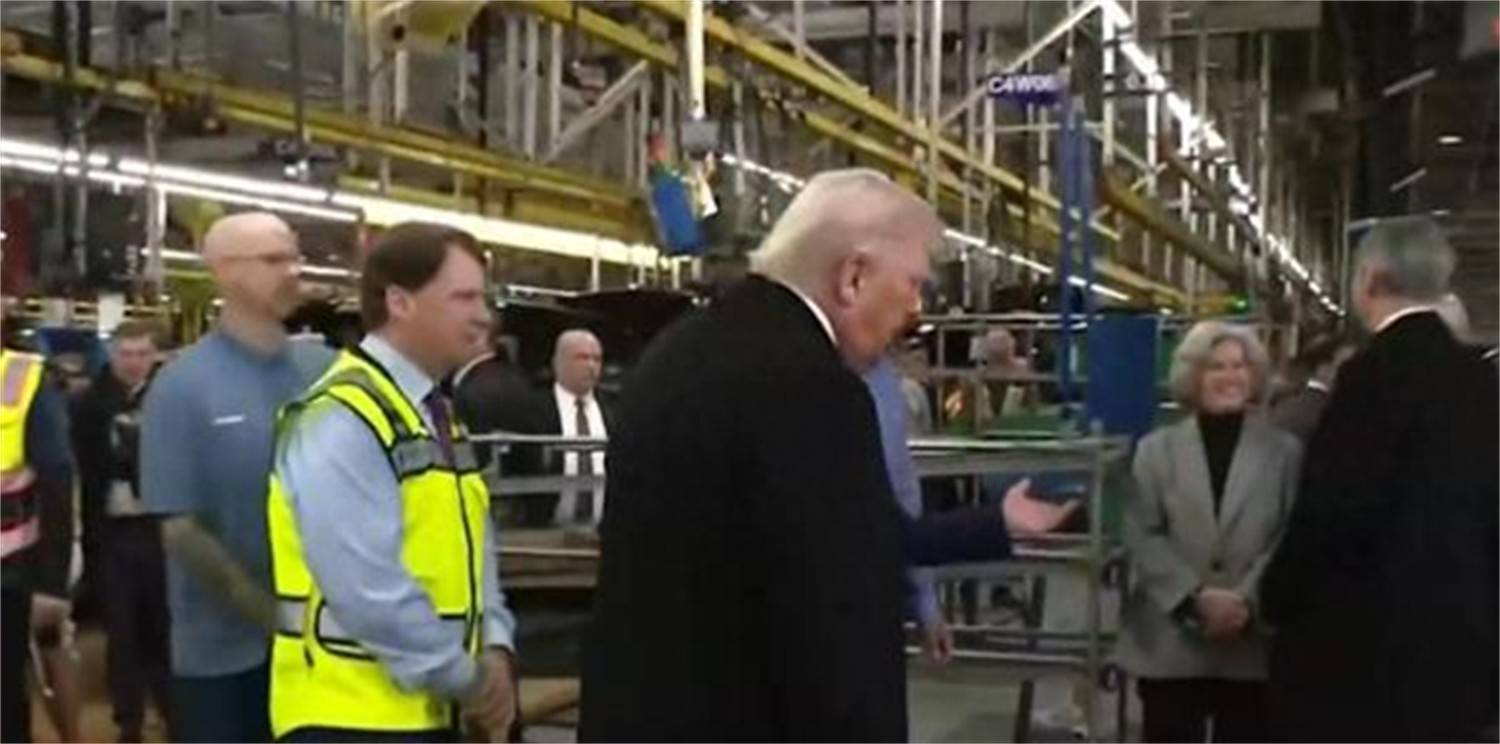
Core Viewpoint - The article discusses the contrasting views on the state of the U.S. economy, particularly in the automotive sector, highlighting President Trump's invitation to Chinese and Japanese companies to invest in the U.S. despite previous high tariffs on foreign vehicles [1][3]. Group 1: Trump's Policy Shift - Trump welcomed foreign car manufacturers to invest in the U.S., signaling a shift from his previous high tariff policies aimed at restricting foreign car brands [1][3]. - The intention behind Trump's tariffs was not to completely block foreign investment but to compel foreign brands to establish production lines in the U.S., thereby creating local jobs and sourcing local materials [3]. Group 2: Industrial Hollowing - The U.S. is experiencing industrial hollowing, characterized by job losses, tax revenue decline, and weakened supply chains, prompting the government to propose a re-industrialization strategy [5]. - The shift of the U.S. economic focus towards finance, IT, and services has led to a lack of long-term industrial investment, exacerbated by high labor costs and stringent regulations [3][5]. Group 3: Long-term Challenges - Despite short-term gains from re-industrialization efforts, the fundamental issues of the U.S. economy, such as reliance on debt and political gridlock, remain unresolved [5][7]. - Elon Musk's assertion that the U.S. government is fundamentally flawed reflects the deep-rooted challenges facing the economy, including a growing national debt and the influence of interest groups [5][7].