写实主义

Search documents
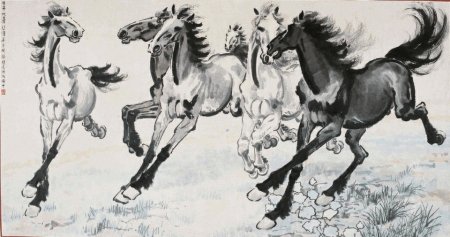
“天马行川”艺术特展
Xin Lang Cai Jing· 2026-02-08 18:30
Core Viewpoint - The exhibition "Heavenly Horses Running in the River - Xu Beihong Art Exhibition for the Year of the Horse and Commemoration of Xu Beihong's 90 Years in Sichuan" will open on February 10 at the Sichuan Newspaper Museum, showcasing the significant contributions of Xu Beihong to modern Chinese art and education [3][6]. Group 1: Xu Beihong's Contributions - Xu Beihong is recognized as one of the founders of modern Chinese art, known for his diverse subjects, particularly his famous horse paintings [3][4]. - His contributions to painting theory, practice, art education, and innovation have established him as the "Father of Modern Chinese Painting" [3][4]. - Xu Beihong's artistic philosophy emphasized the integration of Western realism with traditional Chinese ink painting, creating a unique "Chinese-Western fusion" style [4][5]. Group 2: Art Education and Realism - Xu Beihong advocated for a return to realism in art, emphasizing that art should originate from life and reflect reality, thus revitalizing traditional painting [5]. - He placed significant importance on figure painting, restoring its prominence in the art world through precise character modeling and expressive portrayal [5]. - His teaching philosophy highlighted the importance of sketching as the foundation of artistic creation, influencing contemporary art education practices [5]. Group 3: Upcoming Exhibition Details - The upcoming exhibition will feature dozens of representative works from Xu Beihong and the "Xu Beihong School," including 24 original pieces by Xu Beihong [6][7]. - Notable works on display will include the museum-level print of "Nine Fang Gao," rare fan pieces like "Running Horses," and other significant works such as "Ink Horses" and "Drinking Horses" [7]. - The exhibition will also provide a systematic overview of Xu Beihong's artistic creation and educational practices in Sichuan [7].


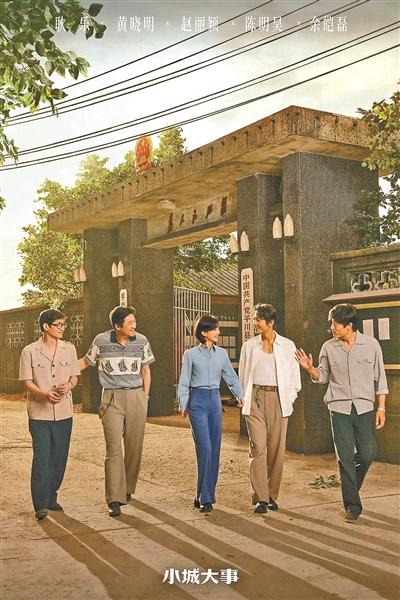
《小城大事》,真实,也不够真实
Bei Jing Qing Nian Bao· 2026-02-07 15:53
Core Viewpoint - "Small Town Big Affairs" presents an inspiring narrative of collective effort and determination during the early reform era in China, showcasing the spirit of the "Chinese miracle" and the importance of perseverance and innovation in overcoming challenges [1][4]. Group 1: Historical Context and Themes - The story is set in Longgang City, known as "China's first farmers' city," highlighting its transformation from fishing villages to a thriving urban area starting in 1982 [4]. - The series captures the essence of the reform and opening-up period, emphasizing the courage to explore uncharted territories and the importance of grassroots leadership in driving change [4][5]. - The narrative reflects the optimism and ambition of the era, resonating with older audiences who experienced the transformative changes firsthand [5]. Group 2: Character Development and Realism - The main characters, Secretary Zheng Decheng and Mayor Li Qiuping, are portrayed with a mix of strengths and flaws, reflecting the complexities of leadership during a transformative period [6][7]. - Zheng Decheng's character embodies the spirit of innovation and risk-taking, yet he also faces challenges due to his reliance on personal experience and a lack of transparency with superiors [7]. - The supporting characters, such as Lin Dongfu and Jie Chunlai, represent various societal responses to the rapid changes, adding depth to the portrayal of the era [10][11]. Group 3: Narrative Structure and Critique - The series initially presents multiple storylines but gradually narrows focus to the main characters, which may undermine the collective contributions of the community [12]. - The inclusion of romantic subplots is critiqued for detracting from the central themes of realism and historical significance, suggesting a misalignment with the narrative's intended focus [12][13]. - The series is noted for its attention to period details, yet some elements are criticized for lacking authenticity, indicating a need for deeper engagement with the historical context [13].
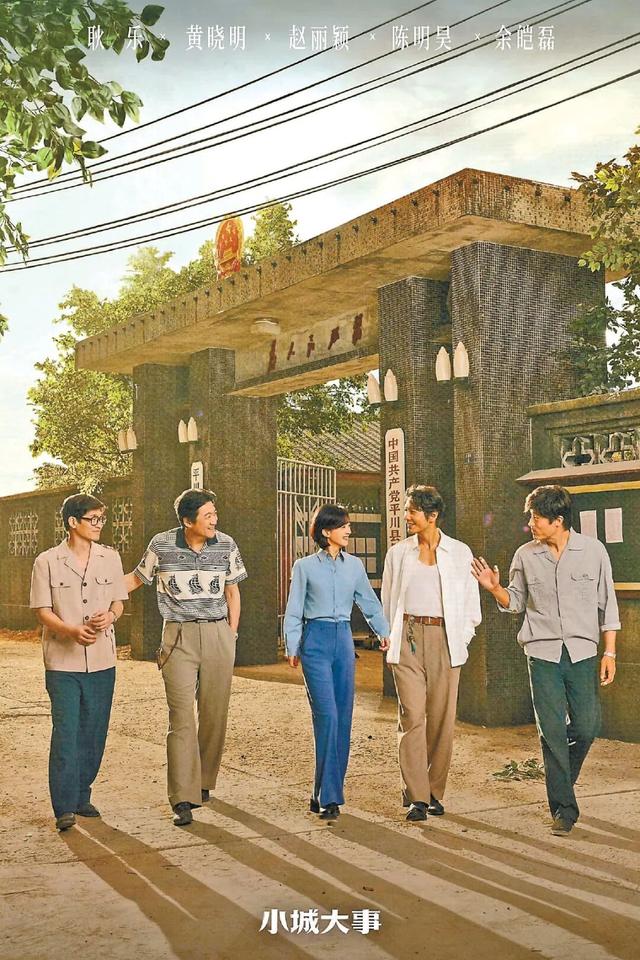
《小城大事》如何把真事讲真实
Huan Qiu Wang· 2026-02-06 07:59
Core Viewpoint - The article discusses the significance of the drama "Small Town Big Affairs," highlighting its portrayal of the spirit of reform and opening up in China, emphasizing collective effort and the courage to innovate in the face of challenges [3][4][5]. Summary by Sections Historical Context - "Small Town Big Affairs" is set in Longgang City, known as "China's First Farmers' City," detailing its development from scratch starting in 1982, despite initial challenges such as lack of funds and experience [4]. - The local officials demonstrated remarkable creativity and courage, overcoming institutional barriers to initiate urban development, which is likened to the successful "household contract responsibility system" [4]. Themes and Messages - The drama captures the essence of the reform era, portraying the willingness to take risks and try what was previously deemed impossible, resonating with older audiences who recall the optimism of that time [5]. - It conveys a sense of collective achievement, suggesting that miracles can happen through the combined efforts of ordinary people [5]. Character Development - The main characters, Secretary Zheng Decheng and Mayor Li Qiuping, reflect realistic portrayals of local leaders during the reform period, with Zheng being depicted as a dedicated and principled leader [6][7]. - Zheng's character embodies the challenges of navigating bureaucratic constraints while striving for progress, showcasing both strengths and weaknesses in his leadership style [7]. Attention to Detail - The drama effectively recreates the atmosphere of the 1980s, with characters experiencing the rapid changes brought by market economy, highlighting the societal shifts and personal struggles [8][9][10]. - Specific cultural references and details, such as the introduction of new consumer goods and the impact of economic opportunities, enhance the authenticity of the narrative [9][10]. Critique of Realism - Despite its strengths, the drama faces criticism for its narrative structure, which simplifies the complexity of societal change by focusing too heavily on the main characters, potentially overshadowing the contributions of the broader community [11]. - The inclusion of romantic subplots is seen as detracting from the central themes of realism and collective effort, suggesting a need for a more nuanced portrayal of the era's challenges [11][12].