《愚公移山》

Search documents
审美教育与人格塑造协同发展的高校美术教学研究
Xin Lang Cai Jing· 2026-02-26 04:13
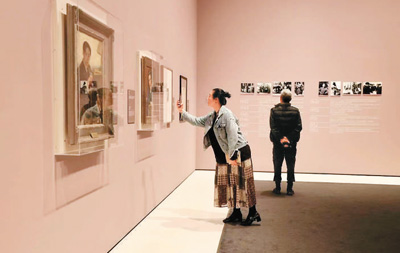
Core Viewpoint - The article emphasizes the importance of art education as a vehicle for aesthetic education, focusing on the need for comprehensive talent development that integrates professional skills, aesthetic appreciation, and character building in higher education art programs [1][11]. Group 1: Educational Mission of Art Teaching - The mission of higher education art teaching has evolved from merely imparting skills to fostering holistic development, emphasizing the integration of aesthetic education and character cultivation throughout the teaching process [1][11]. - Art education aims to enhance students' cultural confidence and sense of responsibility by connecting them with historical and cultural contexts of artworks, such as the analysis of "A Thousand Li of Rivers and Mountains" [1]. Group 2: Teacher-Student Relationship Reconstruction - The traditional teacher-student dynamic, characterized by one-way knowledge transfer, is being transformed into a more interactive and reciprocal relationship, where teachers act as guides and collaborators [2]. - Teachers respect individual differences and encourage students to express their creative ideas, fostering a collaborative environment that enhances both teaching and learning experiences [2]. Group 3: Curriculum Content Expansion - The curriculum is shifting from a focus on aesthetic perception to value guidance, integrating aesthetic, humanistic, and value education to enrich the educational experience [3]. - Classic artworks are systematically selected for in-depth analysis, allowing students to explore the cultural and moral values embedded in these works, thereby shaping their worldview and values [3]. Group 4: Teaching Mechanisms for Aesthetic and Character Development - Aesthetic empathy is cultivated to enhance moral sentiments, helping students understand and appreciate the emotional depth of artworks, which in turn fosters compassion and responsibility [4][5]. - Artistic creativity is emphasized as a core objective, encouraging students to develop a spirit of innovation and resilience through the creative process, which also contributes to their overall character development [6]. Group 5: Cultural Understanding and Confidence - Cultural understanding is a key component of aesthetic ability, and fostering this understanding helps students build cultural confidence while enhancing their aesthetic appreciation [7]. - Through the appreciation of traditional Chinese art, students are encouraged to recognize and embrace their cultural heritage while critically engaging with foreign artistic influences [7]. Group 6: Integration of Art Teaching and Character Development - Deep interpretation of classic artworks serves as a means to inspire students' values and support their character development, linking personal growth with broader societal responsibilities [8][9]. - Practical experiences in art creation are essential for developing students' willpower and character, as they learn to overcome challenges and refine their artistic skills [9]. Group 7: Interdisciplinary Activities for Holistic Development - Interdisciplinary art activities break the confines of traditional art education, allowing for collaboration across various fields, which enhances students' aesthetic abilities and character traits [10]. - These activities promote teamwork, communication, and a positive attitude, contributing to students' overall personal growth and cultural engagement [10].
期待观众看到一个立体的徐悲鸿
Xin Lang Cai Jing· 2026-02-10 20:04
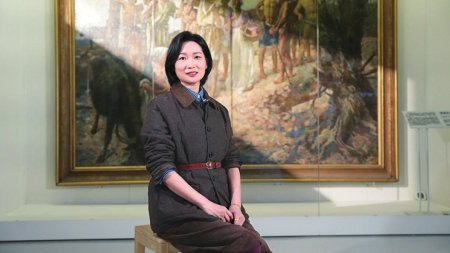
Core Viewpoint - The exhibition "Heavenly Horses Galloping Across the River" aims to provide a comprehensive understanding of Xu Beihong beyond his association with horses, highlighting his multifaceted identity as a creator, educator, and art promoter [5][7][8]. Group 1: Exhibition Overview - The exhibition features over 24 original works by Xu Beihong and aims to systematically trace his artistic legacy in Sichuan, marking the 90th anniversary of his arrival in the region [5][8]. - The exhibition seeks to dismantle the perception of Xu Beihong solely as a "horse painter," encouraging visitors to appreciate a broader and more nuanced view of his contributions to art [6][8]. Group 2: Xu Beihong's Artistic Development - Xu Beihong's time in Sichuan during the 1930s and 1940s was a crucial period for his artistic development, providing a relatively stable environment amidst the chaos of war [6][7]. - His works created during this period, such as "On the Way to Qingcheng Mountain" and "Confucius Listening to His Disciples," reflect his deep engagement with the local culture and landscape [7][8]. Group 3: Educational Contributions - Xu Beihong played a significant role in modern Chinese art education, co-founding the Chinese Academy of Fine Arts in Sichuan, which laid the groundwork for contemporary art education in China [7][8]. - The "Xu Beihong School" in Sichuan is seen as a microcosm of modern Chinese art education, emphasizing the importance of life drawing and scientific modeling in teaching [7][8]. Group 4: Legacy and Influence - Xu Beihong is remembered not only for his artistic skills but also for his character and generosity, having supported many artists, including Qi Baishi and Fu Baoshi, throughout his career [9][10]. - His commitment to nurturing talent and promoting art reflects a broader ethos of inclusivity and support within the art community [9][10]. Group 5: Artistic Philosophy - Xu Beihong's art is characterized by a strong humanistic spirit and realism, influenced by his personal experiences and societal observations [13][14]. - He advocated for a connection between art and the people, emphasizing the social function of art and its role in addressing real-life issues [13][14]. Group 6: Future of Art - The need for art to be accessible and engaging for the public is emphasized, with a call for more inclusive art education and outreach initiatives [14]. - The cultural atmosphere in cities like Chengdu is highlighted as a positive example of how art can be integrated into everyday life, fostering a vibrant aesthetic culture [14].

“天马行川”艺术特展
Xin Lang Cai Jing· 2026-02-08 18:30
Core Viewpoint - The exhibition "Heavenly Horses Running in the River - Xu Beihong Art Exhibition for the Year of the Horse and Commemoration of Xu Beihong's 90 Years in Sichuan" will open on February 10 at the Sichuan Newspaper Museum, showcasing the significant contributions of Xu Beihong to modern Chinese art and education [3][6]. Group 1: Xu Beihong's Contributions - Xu Beihong is recognized as one of the founders of modern Chinese art, known for his diverse subjects, particularly his famous horse paintings [3][4]. - His contributions to painting theory, practice, art education, and innovation have established him as the "Father of Modern Chinese Painting" [3][4]. - Xu Beihong's artistic philosophy emphasized the integration of Western realism with traditional Chinese ink painting, creating a unique "Chinese-Western fusion" style [4][5]. Group 2: Art Education and Realism - Xu Beihong advocated for a return to realism in art, emphasizing that art should originate from life and reflect reality, thus revitalizing traditional painting [5]. - He placed significant importance on figure painting, restoring its prominence in the art world through precise character modeling and expressive portrayal [5]. - His teaching philosophy highlighted the importance of sketching as the foundation of artistic creation, influencing contemporary art education practices [5]. Group 3: Upcoming Exhibition Details - The upcoming exhibition will feature dozens of representative works from Xu Beihong and the "Xu Beihong School," including 24 original pieces by Xu Beihong [6][7]. - Notable works on display will include the museum-level print of "Nine Fang Gao," rare fan pieces like "Running Horses," and other significant works such as "Ink Horses" and "Drinking Horses" [7]. - The exhibition will also provide a systematic overview of Xu Beihong's artistic creation and educational practices in Sichuan [7].

笔墨饱蘸家国情怀
Ren Min Ri Bao Hai Wai Ban· 2025-05-07 22:28
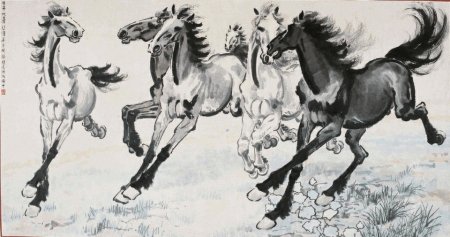
Core Viewpoint - The exhibition "A Sad Hong Across Millennia: Commemorating the 130th Anniversary of Xu Beihong's Birth" showcases over 70 works, including his famous pieces "The Foolish Old Man Removes the Mountains" and "Nine Fang Gao," highlighting Xu Beihong's contributions to Chinese art and his deep national sentiment during times of crisis [3][4]. Group 1: Exhibition Overview - The exhibition is co-hosted by the Guangdong Museum of Art and the Xu Beihong Memorial Museum, featuring significant works that reflect Xu Beihong's artistic journey and his response to national challenges [3]. - A notable piece in the exhibition is a giant granite relief titled "The Foolish Old Man Removes the Mountains," which is based on Xu Beihong's representative work and emphasizes the strength and determination of the human spirit [3]. Group 2: Artistic Themes - Xu Beihong's works often draw from traditional Chinese stories, aiming to revive the national spirit through art, with "The Foolish Old Man Removes the Mountains" serving as a prime example of this approach [4]. - His painting "Nine Fang Gao," which depicts a horse, symbolizes the desire for recognition and the struggle for talent to find its place, reflecting Xu Beihong's own experiences after returning to China [5]. Group 3: Historical Context - During the difficult years of the Anti-Japanese War, Xu Beihong created works that not only conveyed deep meanings but also expressed national sentiments through various subjects, becoming a vivid representation of the national spirit [6]. - His artistic evolution is marked by a shift from romanticism to realism, particularly in his depictions of lions, which evolved to reflect changing national sentiments and personal emotions [8]. Group 4: Symbolism in Art - Xu Beihong's portrayal of horses, particularly in "Galloping Horses," symbolizes the indomitable spirit of the Chinese people during the war, showcasing their resilience and courage [9]. - The various animals depicted in his works serve as reflections of his personality and the cultural zeitgeist, emphasizing the importance of integrating contemporary themes into artistic expression [9].