军工技术交流

Search documents
俄罗斯终于摊牌,愿意两大底牌换中国帮助,我国能否答应?
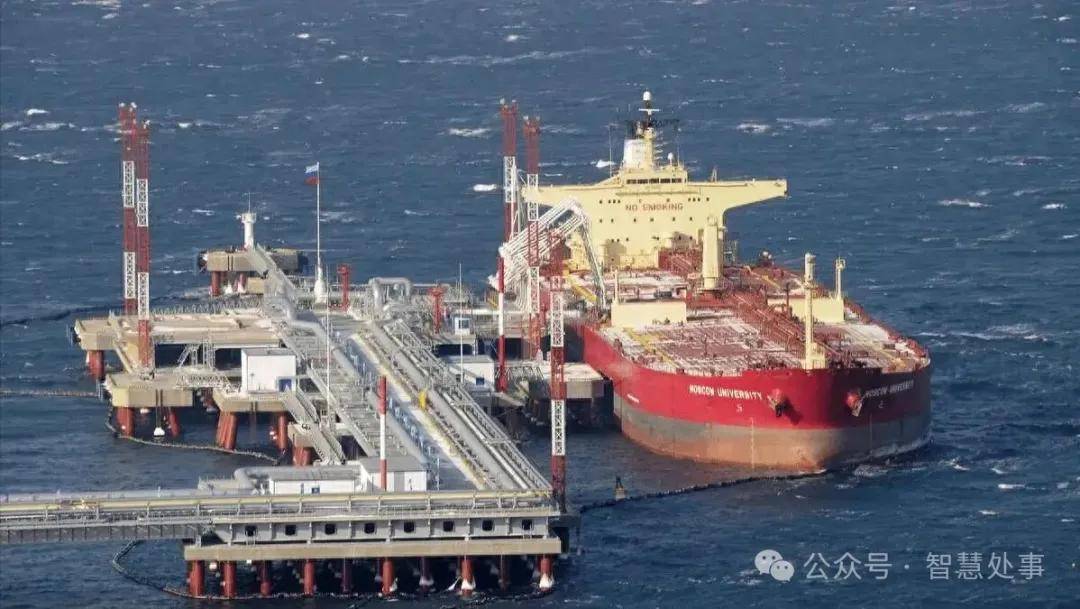
Sou Hu Cai Jing· 2026-01-18 17:56
Core Viewpoint - Russia is seeking to regain market share lost in Europe by leveraging its resources and military capabilities to secure assistance from China, amidst ongoing challenges from Western sanctions and the Ukraine conflict [1][3]. Group 1: Trade and Economic Relations - Russia has adjusted its strategy post-Ukraine conflict, focusing on expanding trade with Asian countries like China and India, which has prevented a total economic collapse despite ongoing military expenditures [3]. - In 2024, trade between China and Russia reached a historic high of $244.8 billion, with energy trade accounting for over one-third of this total, solidifying China's position as Russia's largest trading partner [3]. - To enhance trade efficiency, Russia is accelerating projects like the Power of Siberia 2 gas pipeline, which aims to increase annual gas transport capacity from 38 billion cubic meters to 44 billion cubic meters [3]. Group 2: Resource Strength - Russia possesses vast natural resources, including proven oil reserves of 31.3 billion tons (third globally) and natural gas reserves of 63.4 trillion cubic meters (second globally), which can sustain production for at least another century [6]. - The country also holds significant coal, iron ore, nickel, palladium, copper, lead, and zinc reserves, with most resources located in Siberia and the Far East, facilitating easier cooperation with China [6]. Group 3: Military Cooperation - Despite recent slow progress in military technology, Russia retains a strong legacy in military capabilities, particularly in nuclear power and quantum communication, which could benefit China through collaborative efforts [8]. - China is focused on self-reliance in military development, as evidenced by the impressive display of new weaponry during the recent military parade, indicating a preference for technology exchange rather than dependency on Russian military support [10]. - China's strategic approach emphasizes mutual benefit and cooperation without forming alliances or confrontations, aiming for a balanced relationship that transcends zero-sum dynamics [10].